


Understanding the Droop
Before you reach for the watering can, it’s helpful to understand why plants droop. In most cases, it’s a simple issue of water pressure. Plants rely on water to keep their cells plump and rigid, a state known as turgor pressure. When a plant loses water through
its leaves faster than its roots can absorb it, the cells deflate, and the stems and leaves go limp. This is most often caused by underwatering or intense heat. However, drooping can also be a sign of overwatering. When soil is waterlogged, roots can't access oxygen and may begin to rot, preventing them from absorbing water and leading to the same wilting symptoms. The first step is always to check the soil: stick your finger about an inch deep. If it’s bone dry, your plant is thirsty. If it’s soggy, you need to let it dry out.
The Art of Smart Watering
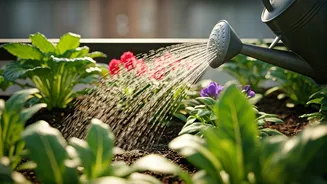
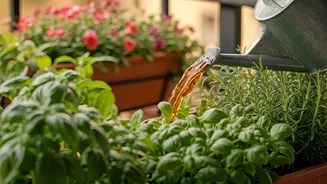
Simply dumping water on a thirsty plant isn't always the best solution, especially if the soil is extremely dry and has pulled away from the sides of the pot. In this state, water can run straight through without being absorbed. The best technique is a slow, deep soak. Water the plant thoroughly until you see water draining from the bottom of the pot. This ensures the entire root ball gets hydrated. For severely dehydrated plants, bottom-watering is a game-changer. Place the pot in a sink or tray filled with a few inches of water and let it sit for 30-60 minutes. The soil will absorb moisture from the bottom up, encouraging deeper root growth. Once the top of the soil feels moist, remove it from the water and let any excess drain away.
The 'Compost Tea' Energy Shot
For a truly fast-acting boost, solid compost worked into the soil is too slow. What your stressed plant needs is an immediate, easily absorbable source of nutrients. This is where 'compost tea' comes in. It’s a liquid fertiliser made by steeping finished compost in water, which extracts beneficial microbes and water-soluble nutrients. This nutrient-rich liquid is like an energy drink for your plants, delivering what they need directly to the roots in a form they can use right away. It not only feeds the plant but also enriches the soil with microbial life, which improves overall soil health and nutrient cycling. A dose of compost tea after a good watering can often produce visible results within a day, helping the foliage regain its colour and vigour.
How to Brew a Quick Batch
Making a simple compost tea is easy. You don’t need any fancy equipment for a quick home brew. Find a bucket and add one part finished, mature compost to about five parts water (for example, one large scoop of compost in a small bucket of water). It’s best to use dechlorinated water, which you can get by simply letting tap water sit out for 24 hours. Stir the mixture vigorously for a couple of minutes to aerate it and help release the nutrients. Let the mixture steep for at least a few hours, or ideally, overnight. Afterwards, strain the liquid through a piece of old cloth, a fine-mesh sieve, or even an old t-shirt to separate the liquid from the solid compost particles. The resulting dark, earthy-smelling liquid is your compost tea. You can put the leftover solids back in your compost pile or around the base of larger outdoor plants.
Application and Long-Term Care
Once your plant has been properly watered and the soil is moist, use the compost tea. Dilute it with water until it is the colour of weak tea, and then pour it onto the soil around the base of the plant. Avoid pouring it directly on the leaves to prevent potential fungal issues. This combination of hydration and nutrition gives the plant everything it needs to recover. For long-term health, consider top-dressing your pots with a thin layer of solid organic compost every few months. This acts as a slow-release fertiliser, continuously feeding your plant and improving the soil structure every time you water. Regular, thoughtful care is the ultimate secret to preventing drooping foliage in the first place.