





The Trend: What Are Retinol Ice Cubes?
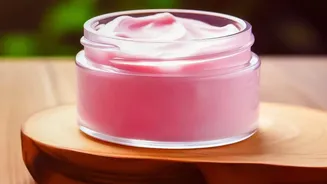
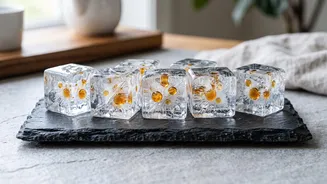
This viral trend, popularised on platforms like TikTok and Instagram, involves mixing a retinol serum or cream with water, aloe vera, or other liquids, and freezing the concoction in an ice cube tray. The idea is to then rub this frozen cube directly
onto your face. Proponents claim this method combines the collagen-boosting, wrinkle-reducing benefits of retinol with the temporary skin-tightening and inflammation-reducing effects of facial icing, also known as cryotherapy. The goal is supposedly enhanced absorption and a dual-action treatment that tackles puffiness and signs of ageing in one simple, homemade step.
The Problem with Potency and Purity
One of the biggest dangers of this DIY trend is the lack of control over the retinol's concentration. Commercial skincare products are formulated by chemists in sterile labs to ensure precise, safe, and effective dosages. When you mix your own, it's impossible to know the final concentration. You risk creating a mixture that's far too potent, which can lead to significant irritation, redness, excessive peeling, and even chemical burns. Furthermore, homemade concoctions lack proper preservatives, making your ice cubes a potential breeding ground for bacteria that can cause infections and breakouts.
Why Freezing Retinol Is a Bad Idea
Retinol is a notoriously unstable molecule, sensitive to air, light, and temperature changes. Reputable skincare brands invest heavily in creating sophisticated formulas with stabilising ingredients to protect the retinol from degrading. Freezing a commercial retinol product, especially after diluting it with water, can destabilise this carefully balanced formula. This can cause the ingredients to separate, rendering the retinol ineffective at best. At worst, the degradation process could create new, irritating compounds that do more harm than good to your skin barrier. Most skincare products are designed to be stored at room temperature, away from direct sunlight, to maintain their integrity.
The Risks of Icing Your Face Directly
While cold therapy can offer temporary benefits like reducing puffiness, applying ice directly to your skin is not the way to do it. Dermatologists warn that prolonged contact with frozen water can cause ice burns and frostbite, which can damage skin cells. It can also harm the delicate capillaries just beneath the skin's surface, leading to persistent redness and broken blood vessels. The friction from rubbing a coarse, uneven ice cube across your face can also cause micro_tears and irritation, compromising your skin's protective barrier.
A Safer Way to Get the Benefits
You can achieve the benefits of both retinol and cold therapy safely by keeping them separate. For retinol, always use a professionally formulated product from a trusted brand. Start with a low concentration a few times a week to allow your skin to acclimate, and always wear a broad-'spectrum' sunscreen during the day, as retinol increases sun sensitivity. For the de-'puffing' benefits of cold,' use tools designed for the job.' A jade roller or gua sha tool chilled in the refrigerator feels refreshing and is much gentler on the skin.' You can also use under-'eye' gel patches stored in the fridge or simply wrap a regular ice cube in a soft cloth and gently press it against the skin for short periods,' never applying it directly.