

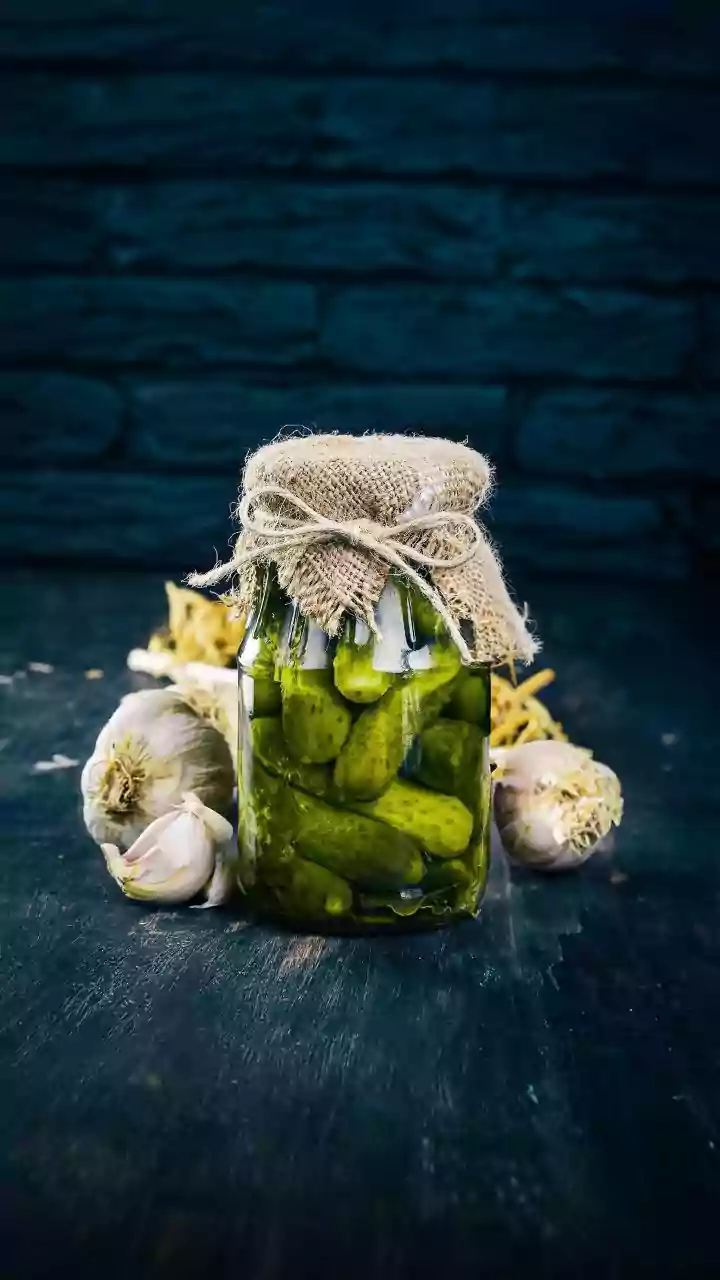







The Three Senses of Food Safety
Discerning spoilage in fermented foods comes down to trusting your senses: sight, smell, and touch. Unlike fresh foods, ferments are supposed to look and smell 'different'. Bubbling, cloudy brine, and a sour or tangy aroma are all signs that the beneficial
bacteria are doing their job. However, there are clear red flags that signal a batch has been compromised. The key is to learn the difference between the normal, funky signs of a healthy ferment and the clear indicators of spoilage. A strong smell, for instance, is normal, but a putrid or rotten smell is not. Your senses are your best tool for navigating this.
Visual Cues: Mold vs. Kahm Yeast
One of the most common points of panic for home fermenters is a film on the surface of their brine. It is crucial to distinguish between harmful mold and harmless Kahm yeast. Mold is a definite sign of spoilage and means the entire batch must be discarded. Mold appears as fuzzy, hairy, or dusty patches that can be green, blue, black, or even pink. These are never safe to consume, as their toxins can penetrate the entire batch even if you only see a small spot. Kahm yeast, on the other hand, is a harmless wild yeast that forms a flat, wrinkled, white or cream-coloured film. While it can impart a slightly 'off' flavour, it is not dangerous. You can simply skim it off the surface and the ferment underneath is generally fine to consume.
The Smell and Texture Test
A healthy ferment should smell pleasantly sour, tangy, or even a bit yeasty. These aromas are byproducts of the fermentation process. However, if you open a jar and are met with a repulsive odour—think rotten eggs, garbage, or sewage—trust your instincts and discard it. Never taste a ferment to check if it's safe if it already smells foul. Texture is another important indicator. While some softening can occur, the vegetables in ferments like sauerkraut or kimchi should generally remain crisp. If they have become unpleasantly slimy, mushy, or sticky, it often indicates unwanted bacterial growth or contamination, and the product should be thrown out.
A Guide to Specific Ferments
Different ferments have unique signs of spoilage: Sauerkraut and Kimchi: These should be crisp and pleasantly sour. Red flags include a slimy texture, a putrid smell instead of a tangy one, or any visible fuzzy mold. If kimchi smells overly fishy in a rotten way or looks dull and discoloured, it's best to discard it. Kombucha: A healthy SCOBY (the symbiotic culture of bacteria and yeast) can look strange, but it should never be fuzzy. Fuzzy, dry spots of green, black, or blue on the SCOBY are mold. The liquid should smell vinegary and sweet, not musty or rotten. Brown, stringy bits hanging from the SCOBY are normal yeast strands, not a sign of spoilage. * Milk and Water Kefir: Milk kefir that has gone bad may separate excessively or develop a pink or orange tinge. While it's naturally sour, a truly 'off' or cheesy smell is a warning sign. Water kefir can become slimy or develop a foul, sulfurous aroma if the grains are stressed, which indicates a problem.