


The Overlap on the Map
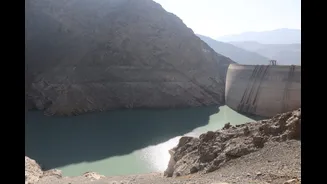
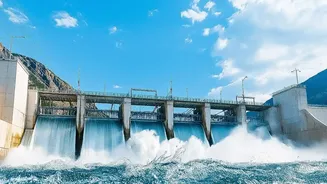
Recent analysis, spurred by a New York Times report, highlights a curious geographical correlation between the locations of some of Iran's 533 dams and sites of suspected missile facilities. Water security experts who have long questioned the economic
justification for building so many dams, sometimes in remote areas, noticed the pattern after comparing their maps with locations of recent US and Israeli airstrikes targeting military assets. While the connection is still speculative and not proven, the overlap has led analysts to question whether some of these major water projects were developed to serve a dual purpose: supporting Iran's military buildup alongside civilian needs.
A Question of Strategic Intent
The primary theory is that these dams could provide essential, independent, and reliable sources of water and hydroelectric power to Iran's so-called 'missile cities'. These vast, underground complexes, estimated to number at least 30, are used for manufacturing, storing, and launching missiles and drones, and require significant resources to operate. By placing them near dams, Iran could ensure its key military assets maintain 'operational continuity' even if the national power grid and water infrastructure were disrupted in a conflict. Some experts argue this would be a logical step consistent with Iran's strategic thinking, which emphasizes redundancy and decentralization to protect its most valuable military capabilities.
A Shield or a Coercive Threat?
The positioning raises a more troubling strategic question. Placing high-value military assets near critical civilian infrastructure like a dam can effectively turn that structure into a shield. An adversary would have to weigh the military gain of a strike against the risk of causing a catastrophic dam failure, which could result in mass civilian casualties and ecological disaster from downstream flooding. This dynamic complicates targeting decisions and is protected under international humanitarian law, which offers special protection to dams. Iran has accused its adversaries of promoting these theories to justify future attacks on its vital infrastructure.
Skepticism and Alternative Explanations
However, the theory faces significant skepticism. Critics argue that proximity does not equal causality. Iran's mountainous terrain is ideal for both building dams and concealing military facilities, making a geographical overlap natural rather than intentional. Furthermore, many of Iran's dams serve essential civilian functions for water supply and irrigation in a water-scarce country. Some analysts note that many Iranian dams are not even equipped to generate electricity, undermining the argument that they were built to power military bases. Iranian officials have strongly condemned the reports as a 'malicious campaign' to normalize attacks on civilian targets.