






The Unwelcome Guest at the Table
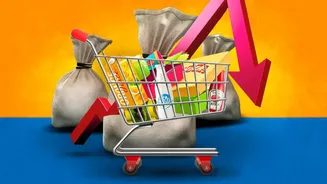
The upcoming festival season, a time typically marked by abundance and culinary indulgence, is facing a significant economic challenge. Across the country, households are grappling with the surging prices of essential food items. According to the latest
data for August 2026, India's food inflation rate rose to 5.95%, with rural areas experiencing an even sharper pinch at 6.13%. This isn't just a statistic; it's a tangible pressure on the monthly budget of millions, coming just as families begin planning for the season's special meals.
Your Grocery Bill Tells the Story
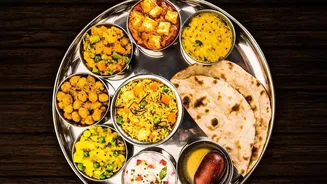
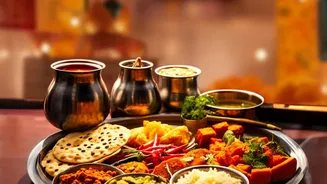
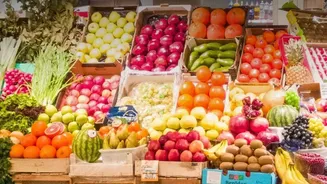
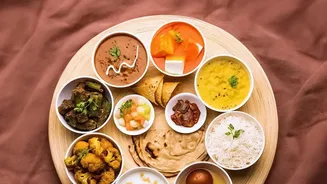
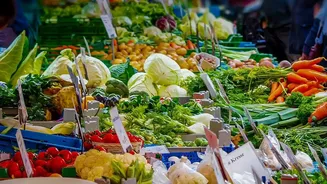
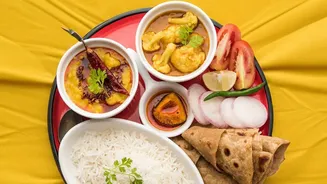
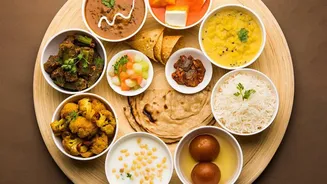
The price hikes are not uniform but are hitting some of the most fundamental ingredients of Indian festival cooking. Staples of almost every celebratory dish, like ginger, onion, and garlic, have seen staggering year-on-year inflation, with prices rising by 73.82%, 48.27%, and 43.60% respectively as of August 2026. While there is some relief with tomato and potato prices declining, the overall cost of putting together a traditional thali has noticeably increased. Pulses such as tur and urad dal have also become dearer, and traders anticipate wheat prices may rise before Diwali if the government does not intervene with open market sales. This inflation is forcing many to make difficult choices, with some homemakers reporting they now buy essentials like garlic and ginger in much smaller quantities of 100-200 grams instead of a full kilogram.
The Art of Adaptation
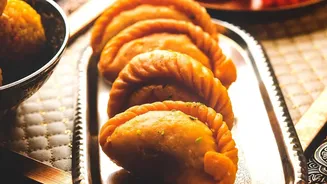
Indian kitchens, however, are models of resilience and ingenuity. Faced with tighter budgets, families are not abandoning their traditions but adapting them. The response is a masterclass in creative substitution and smart cooking. This could mean leaning more heavily on seasonal vegetables that are locally available and more affordable. Some are redesigning menus to be less reliant on ingredients that have seen the steepest price hikes. For instance, families might prepare fewer fried snacks to conserve expensive cooking oils, or they might opt for sweets made with jaggery instead of sugar if prices fluctuate. Others are turning to collaborative cooking, where different families in a community each prepare one dish for a potluck-style celebration, spreading the cost and effort while retaining the spirit of a grand feast.
More Than Just a Meal
The act of adjusting a festival menu is about more than just economics; it's a reflection of changing household priorities. In recent years, there has been a noticeable trend of Indian households borrowing more and saving less, with much of their physical asset focus on real estate. This increased financial liability means there is less flexibility to absorb sudden shocks like high food inflation. Consequently, the festival budget becomes a crucial area for cutbacks. Retailers have noted that the pinch from high grocery bills can have a ripple effect, prompting consumers to postpone other festive purchases, like electronics or new clothing. It highlights how the rising cost of a meal can impact the entire festive economy.