

Why Protein is a Powerhouse Nutrient
Think of protein as the essential construction crew for a growing body. This macronutrient is vital for building and repairing tissues everywhere—from muscles and bones to skin, hair, and organs. It also plays a crucial role in creating enzymes and hormones
that regulate bodily functions, and it strengthens the immune system to help fight off illnesses. For children, getting enough protein is directly linked to healthy growth, good concentration, and sustained energy levels throughout their active days.
How Much Protein Does Your Child Need?
A child's protein needs change as they grow. While it might seem complicated, the Indian Council of Medical Research (ICMR) provides clear guidelines. A general rule of thumb for growing children is about 1 gram of protein for every kilogram of body weight. For a quick reference by age, the daily requirements are approximately: - 1 to 3 years: 13 to 16 grams - 4 to 6 years: 16 to 19 grams - 7 to 9 years: 23 to 34 grams - 10 to 12 years: 32 to 34 grams - Teenagers (13-18 years): 42 to 52 grams, with boys generally needing more than girls These amounts are designed to support rapid growth and development.
Top Vegetarian Protein Sources in India
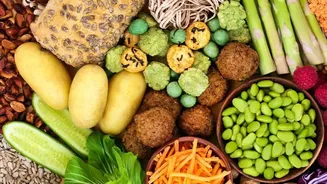
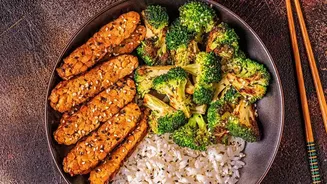
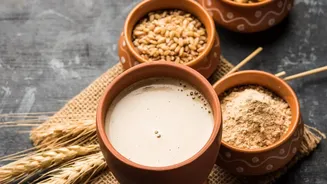
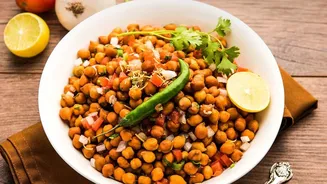
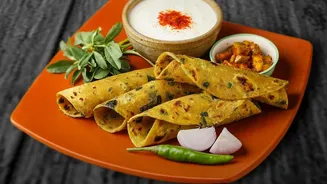
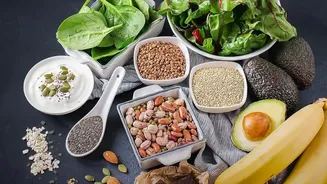
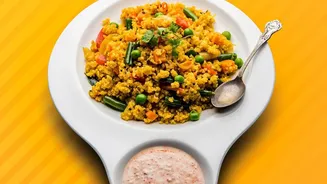
The good news for many Indian families is that a vegetarian diet can easily meet a child's protein needs with a little planning. Our kitchens are already full of excellent options. Key sources include: - Dals and Pulses: A staple in every household, a cup of cooked dal, chana (chickpeas), or rajma (kidney beans) provides a significant amount of protein. - Dairy Products: Paneer, curd (yoghurt), and milk are fantastic sources of high-quality protein and also provide calcium for strong bones. - Soya: Soya chunks, granules, or tofu are among the richest plant-based protein sources and are incredibly versatile in curries and stir-fries. - Nuts and Seeds: A handful of almonds or peanuts, or a spoonful of ground seed powder mixed into porridge or roti dough, adds a powerful protein and healthy fat boost. - Whole Grains and Millets: Foods like ragi, oats, and whole wheat contribute to the daily protein count. Combining grains with pulses, such as in dal-rice or khichdi, creates a 'complete' protein with all essential amino acids.
Excellent Non-Vegetarian Options
For families that include non-vegetarian foods, there are several nutrient-dense choices to help meet protein goals. These include: - Eggs: An egg is often called a perfect protein package. It's affordable, easy to prepare, and a single egg contains about 6 grams of protein. - Chicken: Lean chicken breast is a high-quality protein that is popular with children and can be grilled, used in curries, or added to rolls. - Fish: Varieties like salmon and tuna are not only rich in protein but also provide omega-3 fatty acids, which are crucial for brain development. When preparing meat, it's best to opt for lean cuts and remove visible fat or skin.
Signs Your Child Might Need More Protein
Protein deficiency is a concern, as many Indian diets can be heavy on carbohydrates. While a doctor's diagnosis is essential, some subtle signs might suggest your child's diet needs a protein boost. These can include slowed or stunted growth, frequent illnesses due to lower immunity, fatigue or low energy levels, poor concentration, and slow healing of wounds. Another indicator can be constant feelings of hunger shortly after meals, as protein helps promote fullness.
Can a Child Have Too Much Protein?
While getting enough protein is important, more is not always better. Consuming excessive amounts of protein, especially from supplements rather than whole foods, can be unnecessary for most healthy children and may even carry risks. An extremely high-protein diet can put extra strain on the kidneys and liver. It can also lead to unwanted weight gain if the extra calories aren't used for energy. The key is balance. Focusing on a varied diet with protein from whole food sources is the safest and most effective approach.