








The Problem with 'Productivity'
In many corporate environments, productivity is measured by speed and volume. Constant multitasking, back-to-back meetings, and an endless stream of notifications create an illusion of progress. But research shows this approach is counterproductive. Switching
between tasks can slash productive time by as much as 40%, leading to cognitive fatigue and lower-quality work. This state of 'pseudo-productivity'—being busy without producing meaningful results—leaves teams feeling scattered and burned out. The relentless pace discourages the very thing required for innovation and complex problem-solving: deep, focused thought. In this chaotic model, collaboration becomes a frantic exchange of information rather than a thoughtful process of co-creation.
An Unexpected Model: The Tasting Flight
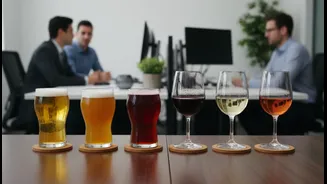
A tasting flight—whether of wine, coffee, or whiskey—is the exact opposite of this chaos. It is an exercise in deliberate attention. A flight presents a small, curated selection of items to be sampled sequentially. The goal is not to consume quickly, but to notice, compare, and understand. This structure forces a slower, more natural pace. Humans are wired to notice differences, and by placing distinct samples side-by-side, a flight sharpens perception and sparks curiosity. Each pour has a purpose, anchoring a piece of a larger story and guiding the taster toward a deeper appreciation. This intentional process offers a compelling template for restructuring how teams can work together more effectively.
Curated Samples as Focused Tasks
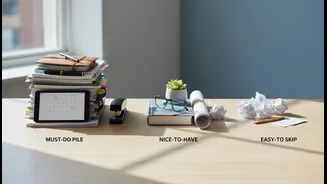
The core of a tasting flight is its curated nature. Instead of a full bottle, you get a few, specific samples. This maps directly to the principle of breaking down large, overwhelming projects into smaller, manageable tasks. The 'slow productivity' movement champions this idea: do fewer things at once to increase the rate at which you finish work. When a team focuses on one well-defined task at a time—a single 'pour' from the project 'flight'—it prevents overwhelm and allows for concentrated effort. This dedicated focus on a single task for a prolonged period, known as deep work, is essential for producing high-quality outcomes and solving complex problems. It replaces the stressful churn of multitasking with the calm of making tangible progress.
Pacing, Pausing, and Deeper Insights
A tasting flight cannot be rushed. There are built-in pauses for cleansing the palate, reflecting, and discussing. These moments are critical for processing information and making connections. Similarly, productive collaboration requires dedicated 'focus windows'—uninterrupted blocks of time where deep work can happen. When teams adopt a rhythm of focused work followed by rest, they work with their natural energy levels, not against them. This structured pacing leads to better mental well-being and more sustainable productivity. Furthermore, the comparative nature of a flight encourages a richer analysis. Teams that take the time to compare different approaches side-by-side, rather than rushing to the first available solution, generate more innovative and robust outcomes.
The Team Lead as the 'Sommelier'
In a tasting experience, a guide or sommelier provides context, directs attention, and asks questions. Their role is not to tell people what to think, but to help them discover insights for themselves. An effective team lead in a collaborative setting plays a similar role. They curate the 'flight' of tasks, ensure the team has a shared vision and clear goals, and foster an environment of psychological safety where ideas can be shared openly. This leader acts as a facilitator, establishing the governance and processes that allow the team to work together based on trust and mutual respect. By guiding the process rather than dictating the outcome, they empower the team to do its best work and derive a greater sense of accomplishment.