








Ancestry Travel: Walking in Your Ancestors’ Footsteps
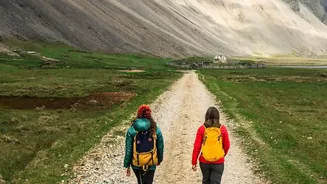
One of the fastest-growing travel niches is the journey into your own past. Fueled by the popularity of at-home DNA tests and accessible digital archives, 'ancestry tourism' is expected to surge in 2027. This trend moves beyond simple sightseeing, encouraging
travellers to visit the specific villages, streets, and churches connected to their family history. It transforms a holiday into a deeply personal pilgrimage, offering a tangible connection to one's heritage. Travel companies and even national tourism boards are responding, developing specialised tours and resources to help people trace their roots and experience their ancestral homelands in a profound way. For many, it’s about understanding their own story by walking the paths of those who came before them.
Regenerative Retreats: Leaving a Place Better Than You Found It
For years, the gold standard was 'sustainable travel'—the idea of doing no harm. Now, the conversation is shifting to 'regenerative travel,' a concept focused on actively improving a destination. In 2027, this will move from a niche idea to a mainstream choice for conscientious travellers. These trips involve hands-on participation in initiatives that heal local environments and support communities. This could mean taking part in reforestation projects, helping with wildlife conservation, or supporting community-owned tourism enterprises. The goal is to create a positive, measurable impact, turning a holiday into a force for good. This approach offers a richer, more meaningful experience that goes beyond consumption and fosters a genuine connection between the visitor and the destination.
Astrotourism: Chasing Dark Skies
As light pollution erases the stars from our cities, travellers are increasingly seeking out darkness. Astrotourism, or dark sky tourism, is poised to become a major trend in 2027. This involves journeying to remote locations specifically to experience the wonder of a pristine night sky. Destinations with certified Dark Sky Place status, from the Atacama Desert to national parks in the US, are becoming popular for stargazing, meteor shower watching, and celestial events like solar eclipses. This type of travel often requires an overnight stay, which boosts rural economies. It taps into a desire for awe and a reconnection with nature, offering a quiet, humbling perspective that a typical holiday can't provide.
Digital Detox Escapes: The Luxury of Unplugging
In our always-on world, the ultimate luxury might just be the ability to switch off completely. The demand for digital detox retreats is growing, with travellers in 2027 expected to actively seek out holidays that enforce a break from screens. These are not just places with poor Wi-Fi; they are structured experiences designed to help you disconnect and reconnect with yourself and the physical world. Activities often include mindfulness, yoga, nature immersion, and skill-based workshops like pottery or cooking, which demand your full attention. Reports show that unplugging leads to reduced stress, better sleep, and improved mental clarity, making these retreats an investment in personal well-being.
Culinary Heritage Journeys: A Deeper Taste of Culture
Food tourism is evolving beyond simply visiting top restaurants. For 2027, expect a rise in 'culinary heritage' travel, where the focus is on a deep immersion into a region's food history and traditions. This trend sees travellers participating in cooking classes focused on ancient recipes, visiting farms that use traditional methods, and learning about the story behind local ingredients. It’s about understanding food as a form of intangible cultural heritage. This type of journey supports local artisans and farmers, helps preserve time-honoured culinary practices, and offers a more authentic connection to a place's identity. It satisfies a growing hunger not just for great food, but for the stories and history it contains.