

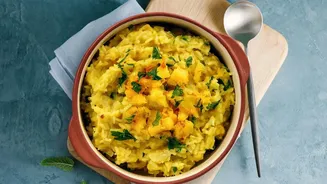
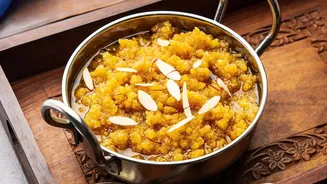
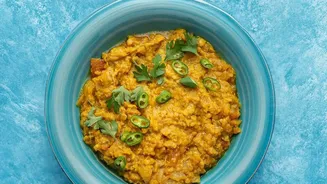
The Classic: Moong Dal
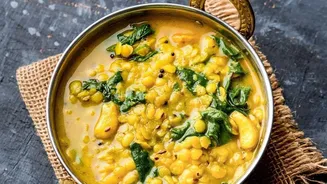
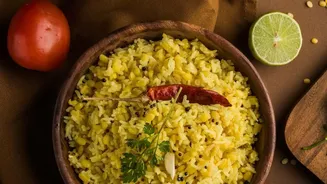
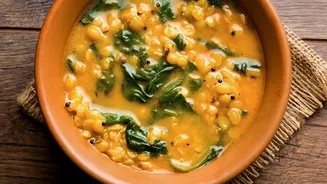
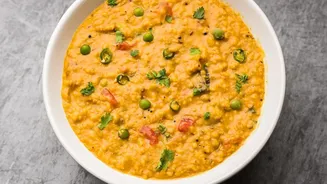
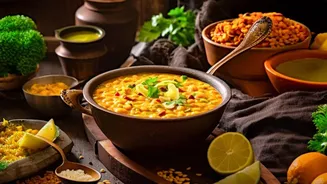
The most common khichdi is made with rice and yellow split moong dal. This version is famously easy to digest, making it a go-to meal during illness or for babies. The moong dal cooks quickly, breaking down into a soft, creamy consistency that is light
on the stomach. Rich in protein and fibre, it provides gentle energy and supports good gut health. A simple tempering of cumin and a spoonful of ghee are all it needs to become a deeply comforting and restorative meal.
A Heartier Option: Toor Dal
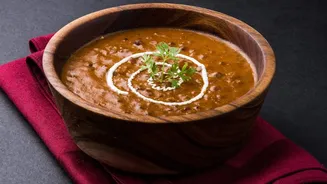
For a more substantial and flavourful khichdi, swap moong dal for toor dal (arhar dal). This lentil has a nuttier, richer taste and gives the dish a more robust, less porridge-like texture. Toor dal is a staple in many regional cuisines for dishes like sambar and dal tadka, and it brings that same heartiness to khichdi. While it takes slightly longer to cook than moong dal, the result is a filling meal that stands up well to bolder spices and vegetables, perfect for a satisfying lunch or dinner.
Going Gluten-Free: Millet Khichdi
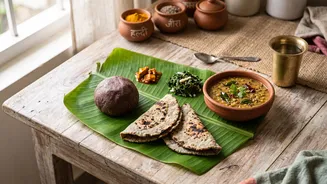
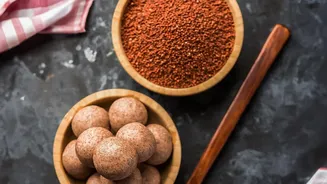
Replacing rice with millets is a fantastic way to boost the nutritional value of your khichdi. Millets like bajra (pearl millet), jowar (sorghum), and foxtail millet are packed with fibre, iron, and magnesium. Bajra khichdi, popular in Rajasthan, has a rustic, earthy flavour, while jowar offers a subtly sweet taste. It's important to soak these grains for a few hours to soften them and make them easier to digest. The result is a wholesome, gluten-free meal that keeps you feeling full for longer.
The Fasting Favourite: Sabudana Khichdi
Sabudana khichdi is a unique, grain-free variation popular during fasting periods like Navratri. Made from tapioca pearls (sago), it has a delightful chewy texture. The key to a perfect, non-sticky sabudana khichdi lies in soaking the pearls correctly—using just enough water to cover them and letting them rest for several hours. It is typically prepared without dal and flavoured with potatoes, roasted peanuts, green chillies, and lemon juice, offering a balance of sweet, salty, and tangy tastes.
A Modern Twist: Quinoa Khichdi
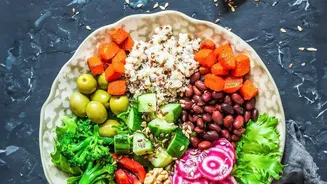
For a contemporary, protein-packed version, quinoa is an excellent substitute for rice. Quinoa is a complete protein, containing all nine essential amino acids, and it's also rich in fibre. It cooks relatively quickly and has a light, fluffy texture with a slightly nutty flavour. A quinoa khichdi, often combined with moong dal and mixed vegetables, is both incredibly nutritious and satisfying. It’s a modern take on the traditional dish that aligns perfectly with health-conscious eating.
The Multi-Dal Approach
Why stick to just one dal? A multi-dal or mixed-dal khichdi combines two or more lentils, such as moong, masoor (red lentil), and chana dal, to create a complex flavour and texture profile. This approach also diversifies the nutritional benefits, bringing together the different vitamins and minerals from each pulse. Combining different lentils like masoor, which cooks quickly, with a heartier one like toor can create a wonderfully layered and deeply satisfying one-pot meal.