



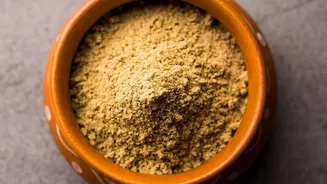

From Humble Staple to Superfood
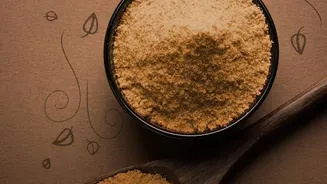
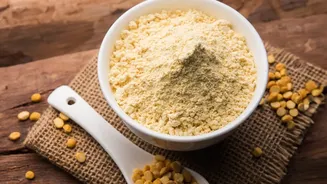
For generations, sattu has been a cornerstone of diets in states like Bihar, Jharkhand, and Uttar Pradesh. Traditionally made by roasting and grinding Bengal gram (kala chana), this flour is celebrated for its long shelf life and incredible nutritional
density. It was the original on-the-go meal for farmers and labourers, who would mix it with water, salt, and lemon for a cooling and energising drink to combat the harsh summer heat. Often called the 'poor man's protein', this inexpensive staple has a rich history as a source of strength and sustenance, even being used by ancient wrestlers and warriors.
Unpacking the Nutritional Punch
The modern resurgence of sattu is rooted in its impressive nutritional profile. Per 100 grams, sattu packs a significant protein punch, typically ranging from 20 to 26 grams, making it a formidable plant-based option for vegetarians and vegans. But its benefits don't stop there. It is loaded with dietary fibre, which promotes gut health, aids digestion, and keeps you feeling full for longer. Sattu is also a treasure trove of essential minerals like iron, magnesium, and calcium, which are vital for energy production, bone health, and muscle function. Furthermore, it has a low glycemic index, meaning it provides sustained energy without causing sharp spikes in blood sugar.
The Great Smoothie Transition
So, how did this rustic flour make the leap from a simple 'sharbat' to a trendy smoothie base? The transition is a perfect reflection of evolving wellness culture. As health-conscious consumers increasingly seek natural, unprocessed, and plant-based alternatives to commercial protein supplements, sattu emerges as an ideal candidate. Its fine, powdery texture allows it to blend seamlessly into liquids, while its distinct nutty flavour pairs wonderfully with a variety of ingredients. Fitness enthusiasts have recognized it as an excellent post-workout recovery aid, providing the necessary protein for muscle repair and complex carbohydrates to replenish energy stores.
Why It Works Perfectly in a Blender
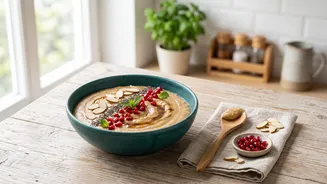
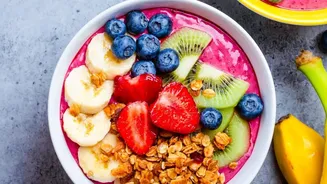
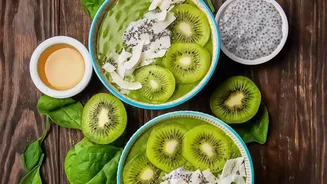
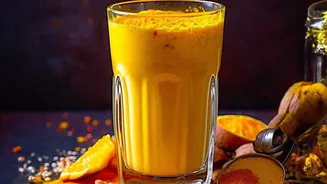
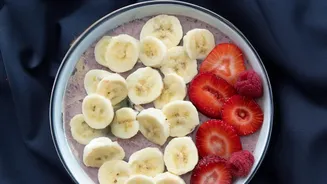
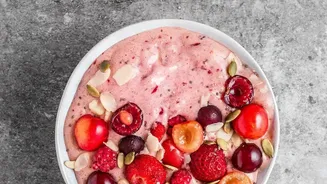
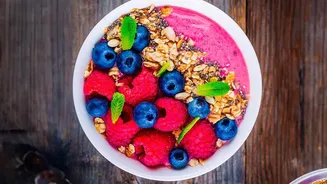
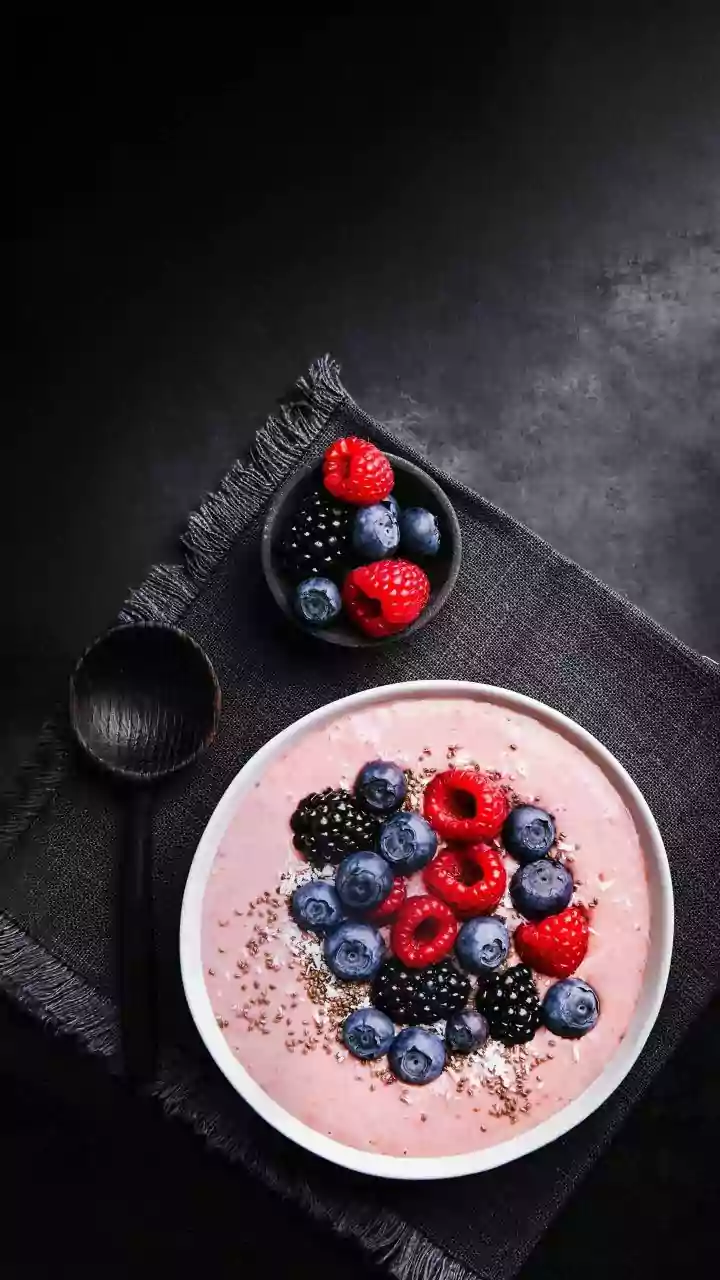
Unlike some flours that can be gritty or overpowering, sattu works exceptionally well in blended drinks. It acts as a natural thickener, giving smoothies a satisfying, creamy consistency without the need for extra additives. A sattu smoothie is far more than just a protein shake; it's a complete, nutrient-dense meal in a glass. When blended with milk or yogurt, fruits like banana or mango, and a natural sweetener like dates or honey, it transforms into a balanced concoction of protein, carbs, healthy fats, and micronutrients. This versatility allows for endless customisation, from a simple post-workout shake to a decadent breakfast smoothie.
Crafting Your Own Sattu Smoothie
Making your own sattu smoothie is incredibly simple. Start with a base of 2-3 tablespoons of sattu flour. Add about 200-250 ml of your preferred liquid, such as dairy milk, almond milk, or even just cold water. For natural sweetness and creaminess, toss in a ripe banana. From here, you can get creative. A spoonful of peanut butter adds healthy fats and more protein, while a pinch of cardamom or cinnamon lends a warm, aromatic spice. For a more traditional touch, you can add a pinch of black salt and roasted cumin powder. Blend everything until smooth, and you have a delicious and powerfully nutritious drink ready in minutes.