



First, The Golden Rules of Storage
Before diving into specific types of prasad, a few universal rules apply to almost everything you prepare. First and foremost, always allow the prasad to cool down completely to room temperature before storing it. Packing warm food creates condensation,
which introduces moisture and accelerates spoilage. Always use clean, dry, and airtight containers. Glass or stainless steel containers are generally preferred, especially for milk-based or moist sweets, as they are non-reactive and prevent odours from seeping in. Finally, store containers in a cool, dry place away from direct sunlight, which can degrade the texture and taste of your offerings.
Dry Prasad: Ladoos, Chivda, and Shankarpali
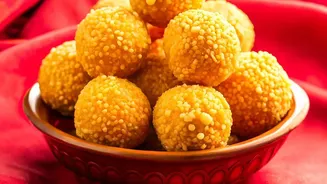
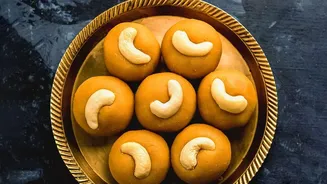
Dry offerings like besan ladoo, atta ladoo, chakli, and shankarpali have a naturally longer shelf life due to their low moisture content. Besan ladoos, for example, can stay fresh for several weeks when stored correctly. The key is to protect them from air and moisture. Store them in airtight containers at room temperature. To maintain their crunchiness and prevent flavours from mixing, it is best to store each item in a separate container. For an extra layer of protection, especially in humid weather, you can line the container with butter paper or parchment paper. Some traditional methods even suggest adding a few uncooked rice grains tied in a muslin cloth to the container to absorb any excess moisture.
Semi-Moist Prasad: Ukadiche Modak and Puran Poli
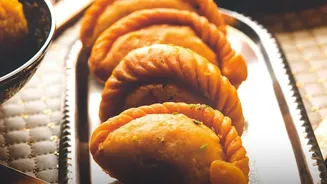
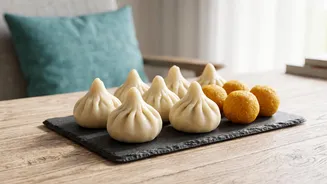
Ukadiche Modak, the quintessential Ganesh Chaturthi prasad, is delicate and best enjoyed fresh. Due to its steamed rice flour casing and moist coconut-jaggery filling, it has a short shelf life. If you have leftovers, they must be refrigerated in an airtight container to prevent them from drying out. They should ideally be consumed within a day or two. Before serving refrigerated modaks, it's best to re-steam them for a few minutes until warm. This helps restore their soft, moist texture. Avoid freezing steamed modaks, as they can become dry and chewy upon thawing. Similar care should be taken with other semi-moist treats like puran poli.
Milk-Based Sweets: Pedas, Kheer, and Barfi
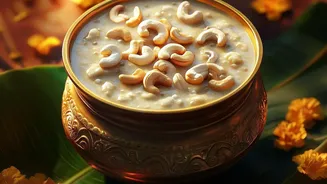
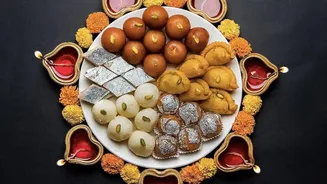
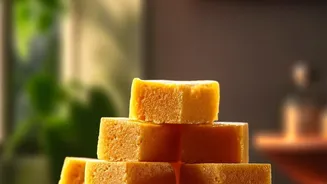
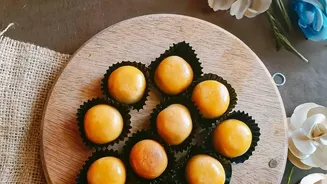
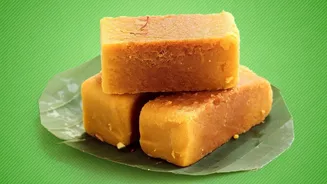
Prasad made with milk, khoya, or paneer — such as pedas, kalakand, kheer, and various barfis — are the most perishable and require immediate and proper storage. These items must always be refrigerated. Store them in clean, airtight glass or steel containers and aim to consume them within two to four days. Milk-based sweets are highly susceptible to spoilage from bacteria, and refrigeration slows this process down significantly. When storing different types of milk sweets, use separate containers to preserve their individual flavours and prevent cross-contamination. Before serving, allow refrigerated sweets to sit at room temperature for about 10-15 minutes to soften slightly and enhance their flavour.
Common Mistakes to Avoid
A few common errors can quickly lead to spoiled prasad. Never store different types of sweets together in one box; a dry ladoo will absorb moisture from a moist barfi, ruining the texture of both. Avoid using aluminum foil for direct contact with milk sweets, as it can react with the ingredients. Don't refrigerate crispy, fried snacks like chakli or chivda, as the cold and condensation will make them lose their crunch. Also, never taste the food while cooking or before it has been offered as naivedyam (offering to the deity). This is an important spiritual practice that also maintains the purity of the offering.