




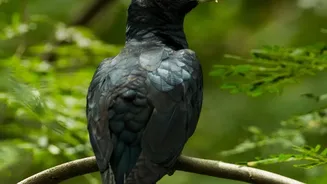

A Renewed Focus on Avian Wonders
The Andaman and Nicobar Islands, home to nearly 300 bird species including around 29 endemics, have long been a holy grail for birdwatchers. Species like the Andaman Woodpecker, Andaman Serpent Eagle, and the elusive Andaman Crake are found nowhere else
on Earth. Recognizing this unique appeal, the local administration and tourism bodies have recently put a fresh emphasis on structured, nature-based tourism. Initiatives like the 'Rainforest Birding Trail' at Chidiyatapu's Biological Park, organized in collaboration with the Forest Department, are drawing enthusiastic crowds. These organized trails, often weaving through protected areas like Mount Harriet National Park and the wetlands of Sippighat, offer a streamlined way for enthusiasts to access prime birding hotspots. The goal is to showcase the islands' incredible biodiversity while promoting sustainable, eco-friendly travel.
The Guide is the Experience
In a specialized field like birding, a guide is more than just a navigator; they are an interpreter of the wild. A great guide can turn a quiet, leafy walk into a thrilling experience by identifying a faint bird call, spotting a camouflaged nest, or explaining the ecological significance of a sighting. In the dense rainforests and complex mangrove ecosystems of South Andaman, their role is paramount. Top-tier guides possess deep, localized knowledge passed down through generations, supplemented by scientific training. They know the exact trees where certain species roost, the specific seasons when migrants appear, and the subtle behaviours that signal a rare bird's presence. This expertise is the difference between a frustrating trek and a once-in-a-lifetime sighting of a Nicobar Pigeon or a Hume's Boobook owl.
The Quality Conundrum
As the demand for birding tours grows, so does the spectrum of guide quality. At one end are highly qualified, passionate naturalists with decades of field experience and academic credentials, some of whom have contributed to scientific records. At the other are casual operators who may only know the most common birds and lack the deep ecological understanding or conservation ethic that defines professional ecotourism. The problem for a tourist is that it can be difficult to tell the difference until the tour is already underway. An untrained guide might misidentify species, disturb wildlife, or be unable to provide meaningful context. This not only diminishes the tourist's experience but can also be detrimental to the fragile habitats they operate in. Responsible tourism hinges on guides who enforce ethical practices, like maintaining safe distances from animals and educating visitors on conservation.
How New Trails Magnify the Gap
The establishment of more formalized trails makes this quality gap impossible to ignore. When everyone walks the same path, the value added by the guide becomes incredibly clear. On a trail like the one at Chidiyatapu, a group with an expert guide might spot 20 different species, including several endemics, because their leader can identify birds by their calls from deep within the foliage. Meanwhile, another group on the same trail with a less-skilled guide might see only the most obvious birds, missing the subtle wonders around them. This structured setting acts as an unintentional audit of guide competence. The trail provides the opportunity, but only a skilled guide can unlock its full potential, highlighting the urgent need for better standards and certification across the board.
Finding the Right Guide
Thankfully, the administration is taking steps to formalize guide training. Recent initiatives, in association with bodies like the Indian Institute of Tourism and Travel Management, aim to equip local youth with professional skills in eco-guiding, birding, and visitor management. These programs cover everything from biodiversity interpretation to a code of conduct for responsible tourism. For travellers, this means there is a growing pool of certified talent. When booking a birding tour, it pays to do your research. Look for companies that list their guides' credentials and experience. Seek out reviews from other serious birders and don't be afraid to ask specific questions about their expertise with endemic species. Choosing a well-regarded, professional guide not only guarantees a better personal experience but also supports the local economy and the long-term vision of sustainable ecotourism that protects the very environment you've come to admire.