






As winter mornings arrive, the craving for a warm, nourishing breakfast grows. Step away from the usual oatmeal and embrace the comforting world of ancient grain porridges, a wholesome and flavourful way to start your day on a cozy note.
Beyond Oats: The Ancient Grain Advantage
When you think
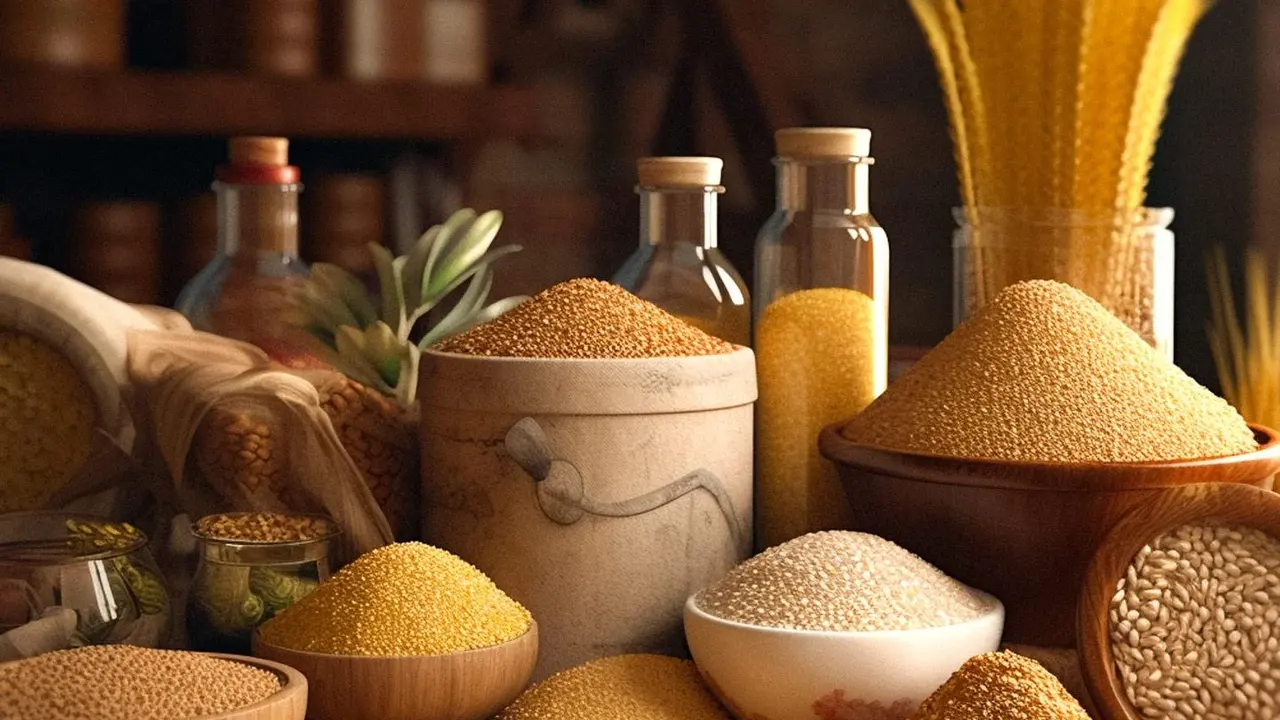
of porridge, rolled oats are likely the first thing that comes to mind. But a world of versatile, nutrient-dense 'ancient grains' is waiting to be explored. These are grains that have remained largely unchanged for centuries. Many, like amaranth, millet, and sorghum, are naturally gluten-free and packed with fibre, protein, and essential minerals like iron and magnesium. Their high fibre content aids digestion and can help keep you feeling full and energized until lunchtime, while their robust nutritional profiles offer a fantastic start to any day. Swapping them into your breakfast routine introduces new textures and flavours, turning a simple meal into a delightful discovery.
Meet the Grains: Creamy Amaranth
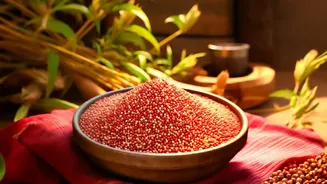
If you desire a porridge with a smooth, creamy, and almost pudding-like consistency, amaranth is an excellent choice. This tiny grain cooks into a lovely, thick porridge in about 20 to 25 minutes. To prepare it, simply combine one part amaranth with about two-and-a-half to three parts water or milk in a saucepan, bring to a boil, then reduce to a simmer and cover, stirring occasionally to prevent sticking. Amaranth has a subtle, earthy taste that pairs beautifully with warming spices. Try adding a dash of cinnamon, ginger, cardamom, and a pinch of ground cloves for a classic winter spice blend. For natural sweetness, you can cook it with pitted dates or stir in a little maple syrup after cooking.
Meet the Grains: Nutty Millet
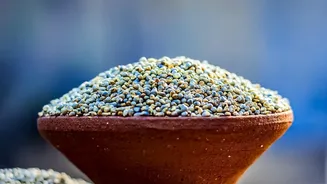
Millet offers a different experience, with a fluffier texture and a pleasant, slightly nutty flavour. To enhance its taste, you can toast the dry grains in a pan for a few minutes before adding any liquid. For a creamy porridge, a liquid-to-grain ratio of 4:1 is recommended. Bring your milk and water combination to a boil, whisk in the millet, and simmer for about 20-25 minutes until the liquid is mostly absorbed and the grains are tender. Millet porridge is delicious when seasoned with cinnamon and vanilla. It also works wonderfully with spices like cardamom and ginger. Soaking the millet overnight can reduce cooking time and result in a creamier texture.
Meet the Grains: Hearty Sorghum
For a porridge with a substantial, satisfyingly chewy texture, look no further than sorghum. This grain is a powerhouse of nutrition, rich in protein, fibre, and antioxidants. Cooking whole sorghum grains can be time-consuming, so a pressure cooker can reduce the time significantly. Alternatively, using sorghum flour or pre-cooked grains makes for a much quicker breakfast. To make a simple porridge with sorghum flour, create a paste with cold water first to prevent lumps, then stir it into boiling water and simmer for 10-15 minutes until thick. Whole sorghum is often cooked in a 3:1 water-to-grain ratio. This hearty grain can be made into a sweet porridge with spices like cinnamon and nutmeg, but it's also popular in savoury preparations across the world.
The Art of Spice and Toppings
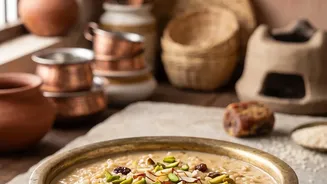
Spices are what elevate a simple porridge into a truly special meal. Warming spices like cinnamon, ginger, cardamom, nutmeg, and even a pinch of turmeric or allspice are perfect for chilly mornings. They not only add flavour but also come with their own health benefits, such as anti-inflammatory properties. Feel free to experiment with different combinations to find your favourite. Once your porridge is cooked and spiced to perfection, the final touch is the toppings. Fresh or stewed fruit, a sprinkle of toasted nuts like walnuts or almonds, and a scattering of seeds add texture and extra nutrients. A final drizzle of maple syrup, honey, or a swirl of tahini can add a touch of richness and sweetness to complete your comforting winter breakfast bowl.