



The Big Question: Do Indians Need a Permit?
Let’s clear this up first: For the vast majority of tourist areas in Spiti Valley, Indian citizens do not need an Inner Line Permit (ILP) or any special tourism permit. You can travel freely to popular destinations like Kaza, Tabo, Dhankar, Key Monastery,
Langza, and Hikkim. The old rules that required permits for Indians were removed years ago to promote tourism. However, you must carry a valid, government-issued photo ID, such as an Aadhaar card, Voter ID, or passport. You'll need to show this for registration at police checkposts along the way, notably at Jangi (if coming from Kinnaur) and Sumdo. This is a routine security registration, not a permit application.
The Route-Specific Vehicle Permit
While you personally may not need a permit, your vehicle might. This entirely depends on your chosen route. If you plan to enter Spiti from the Manali side, your vehicle might require a permit for crossing Rohtang Pass or a 'Beyond Rohtang' permit if you use the Atal Tunnel route. This is a vehicle-specific permit, not tied to your nationality, and can usually be applied for online. Slots can be limited and fill up fast during peak season, so plan this booking carefully. Conversely, if you are taking the more reliable monsoon route via Shimla and Kinnaur, you do not need to worry about the Rohtang permit at all, as it's not on your path.
Understanding SADA Fees and Other Registrations
You might encounter other entry fees that are often mistaken for permits. The Spiti Area Development Authority (SADA) collects a development fee from vehicles entering the valley. This is a nominal charge paid at barriers, typically located at Sumdo or Losar, depending on the season. It’s a local fee for environmental upkeep and has nothing to do with an ILP. Additionally, the Himachal Pradesh government has an online portal called e-Aagman for vehicle registration when entering Lahaul and Spiti district. Think of this as an entry token for your car, separate from any personal permit. Always check the latest requirements on official portals before you start.
Monsoon-Specific Challenges and Realities
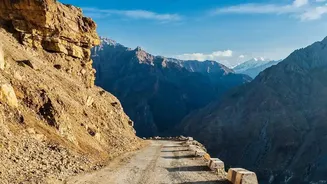
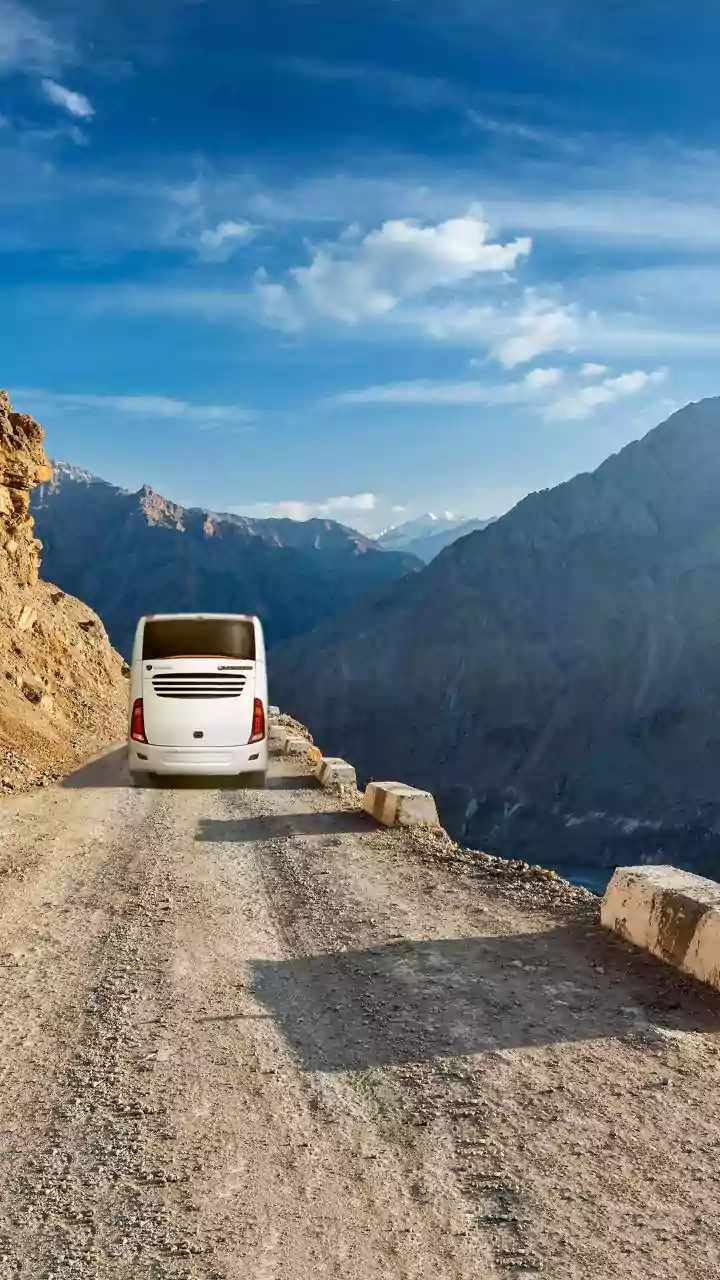
Travelling during the monsoon, especially in August, adds a layer of unpredictability. While Spiti itself lies in a rain-shadow area and receives less rainfall, the approach roads through Kinnaur and the Kullu-Manali region are highly susceptible to landslides and blockages. The Shimla-Kinnaur route (NH-5), while generally more reliable, frequently sees disruptions between Wangtu and Sumdo. The Manali-Kaza route is even more challenging, with water crossings and rough sections like the stretch from Gramphu to Losar. A rainfall alert is active for Himachal until August 12, 2026, meaning road closures are a real possibility. The key is to be flexible. Start your drives early to avoid afternoon rain, and always have 2-3 buffer days in your itinerary to account for potential delays.
Your Essential Document Checklist
While formal permits are not a concern for most, being unprepared with your documents can halt your trip. Here is what every Indian road-tripper must have: Personal ID: Original and photocopies of a government-issued photo ID (Aadhaar, Passport, Voter ID) for every traveller. Don’t rely on digital copies as there's often no network at checkposts. Vehicle Documents: Carry the original Registration Certificate (RC), a valid insurance policy, and a Pollution Under Control (PUC) certificate for your vehicle. Driving License: The driver must have their original license. Contact Information: Keep a list of emergency contacts and important numbers for hotels and local authorities written down, in case your phone battery dies.