





A Hydrating Summer Superstar
When the summer sun is relentless, hydration becomes critical for everyone, including our dogs. While a full bowl of fresh water is non-negotiable, some pups can be picky drinkers. This is where watermelon shines. Composed of about 92% water, it’s an incredibly
effective and tasty way to supplement your dog’s fluid intake. Beyond hydration, this fruit is also a good source of vitamins A, C, and B6, as well as potassium, which supports healthy muscle and nerve function. Unlike many other treats, watermelon is low in calories and fat-free, making it a guilt-free option for dogs who are watching their weight. When served correctly, it's a powerhouse of refreshment and nutrition that can make a sweltering afternoon much more bearable for your canine companion.
The Golden Rules of Preparation
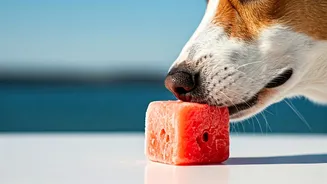
Before you rush to share a slice with your eagerly watching pup, it's crucial to prepare it safely. Not all parts of the watermelon are dog-friendly. The two most important rules are to remove all seeds and the entire rind. Watermelon seeds, especially if consumed in large quantities, can cause intestinal blockages, which can be a serious and painful medical emergency. The rind, while not toxic, is very difficult for a dog to digest. Chewing on it can lead to gastrointestinal upset, including vomiting and diarrhoea. The best practice is to cut the pink flesh into small, bite-sized cubes, carefully ensuring no black or white seeds remain. The size of the cubes should be appropriate for your dog’s breed to avoid any choking hazards.
Simple Frozen Treat Recipes
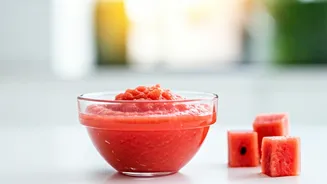
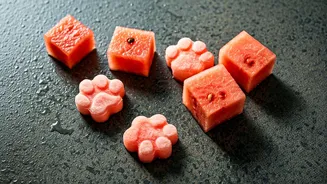
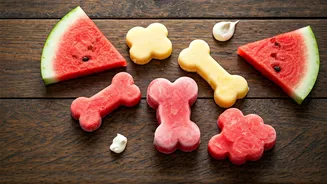
Freezing watermelon not only makes it a longer-lasting treat but also enhances its cooling power on a hot day. Here are a few simple ways to prepare it: 1. **Frozen Watermelon Cubes:** This is the easiest method. Simply place the seedless, rindless watermelon cubes on a tray lined with wax paper and freeze for a few hours. You can give them to your dog as a crunchy, icy snack. 2. **Watermelon 'Pupsicles':** For a smoother treat, puree the seedless watermelon flesh in a blender. You can pour this liquid into an ice cube tray and freeze it. For added creaminess and probiotics, consider mixing the puree with a small amount of plain, unsweetened dahi (yogurt) before freezing. 3. **Watermelon Slushy:** If you need a quick cool-down, toss a few frozen watermelon cubes into a blender and pulse until it forms a slushy consistency. You can serve a small spoonful to your dog for immediate refreshment.
Moderation and Potential Risks
While watermelon is a healthy treat, it should be served in moderation. It contains natural sugar, and too much can lead to an upset stomach. As a general rule, treats should not make up more than 10% of your dog’s daily caloric intake. For a first-timer, introduce a very small piece and monitor your dog for any adverse reactions, such as an upset stomach or signs of an allergic reaction (though this is rare). If your dog has specific health conditions, like diabetes, it is essential to consult your veterinarian before introducing any new foods, including fruit, into their diet. The high fibre content can also cause diarrhoea if your dog eats too much at once, so start small and see how they tolerate it.
Spotting Signs of Overheating
Frozen treats are a great way to help prevent overheating, but it's also vital for every pet owner in India to recognise the signs of heatstroke. A dog suffering from heatstroke requires immediate veterinary attention. Be on the lookout for symptoms like excessive and heavy panting, thick drool, bright red gums and tongue, lethargy or weakness, dizziness or stumbling, vomiting, and in severe cases, seizures or collapse. If you notice any of these signs, move your dog to a cool, shaded area, offer small amounts of water, and contact your vet immediately. Prevention is always better, so ensure your dog has constant access to shade and fresh water, and avoid strenuous exercise during the hottest parts of the day.