

More Than Just Upcycling
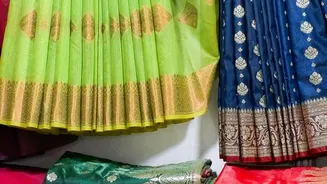
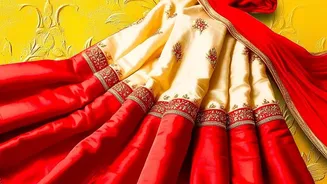
Long before 'sustainability' became a global buzzword, a quiet and resourceful tradition thrived across India. This was the art of transforming worn-out textiles into something new and functional. Old saris and dhotis, softened by years of use, were never
seen merely as waste. Instead, they were viewed as a canvas for a new creation, embedding personal histories and familial love into every stitch. This practice goes beyond simple recycling; it is a form of storytelling, a way of preserving the essence of a garment that has been part of countless family moments. Each faded patch and frayed edge adds character, turning a simple quilt or rug into a unique family heirloom filled with memories.
The Running Stitch of Bengal and Bihar
In the regions of Bengal and Bihar, this tradition finds exquisite expression in Kantha and Sujani embroidery. Kantha, originating in Bengal, involves layering several old saris or dhotis and stitching them together with a simple running stitch. Threads, often pulled from the colourful borders of the saris themselves, are used to create intricate motifs of flowers, birds, and scenes from daily life. Similarly, Sujani from Bihar began as a way to make soft quilts for newborn babies from old fabric. Women would stitch together layers of cloth, with the embroidery serving not just a decorative but a structural purpose, holding the layers together. Both crafts transform humble materials into stunning narrative textiles.
Maharashtra’s Comforting Godhadi
In Maharashtra, the tradition is known as Godhadi. These hand-stitched quilts are the epitome of comfort and care, made by layering old pieces of cloth, with softer fabrics on the inside and more durable ones, like sari or dupatta pieces, on the outside. The process is a communal activity, often undertaken by women in the afternoons during quieter farming seasons. As they stitch, they share stories, turning the craft into a social gathering. Making a Godhadi is a meticulous and time-consuming process that can take weeks or even months, resulting in a thick, warm, and deeply personal blanket that provides comfort against the cold.
From Rags to Richness with Chindi
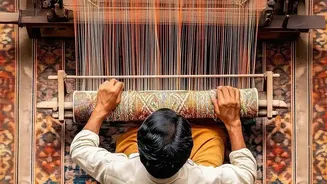
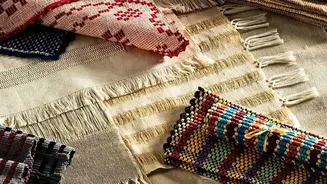
The resourcefulness of Indian craftwork extends to even the smallest scraps of fabric. 'Chindi' refers to torn or leftover pieces of cloth, and the craft of making 'Chindi' rugs is a vibrant example of turning waste into wonder. Artisans, particularly in regions like Gujarat and Haryana, weave, braid, or knit these colourful fabric strips together to create durable and eye-catching rugs, mats, and runners. This technique ensures that absolutely no part of a textile goes to waste. The resulting products are a riot of colour and texture, embodying a rustic charm that is both beautiful and eco-friendly.
A Renaissance in Modern Times
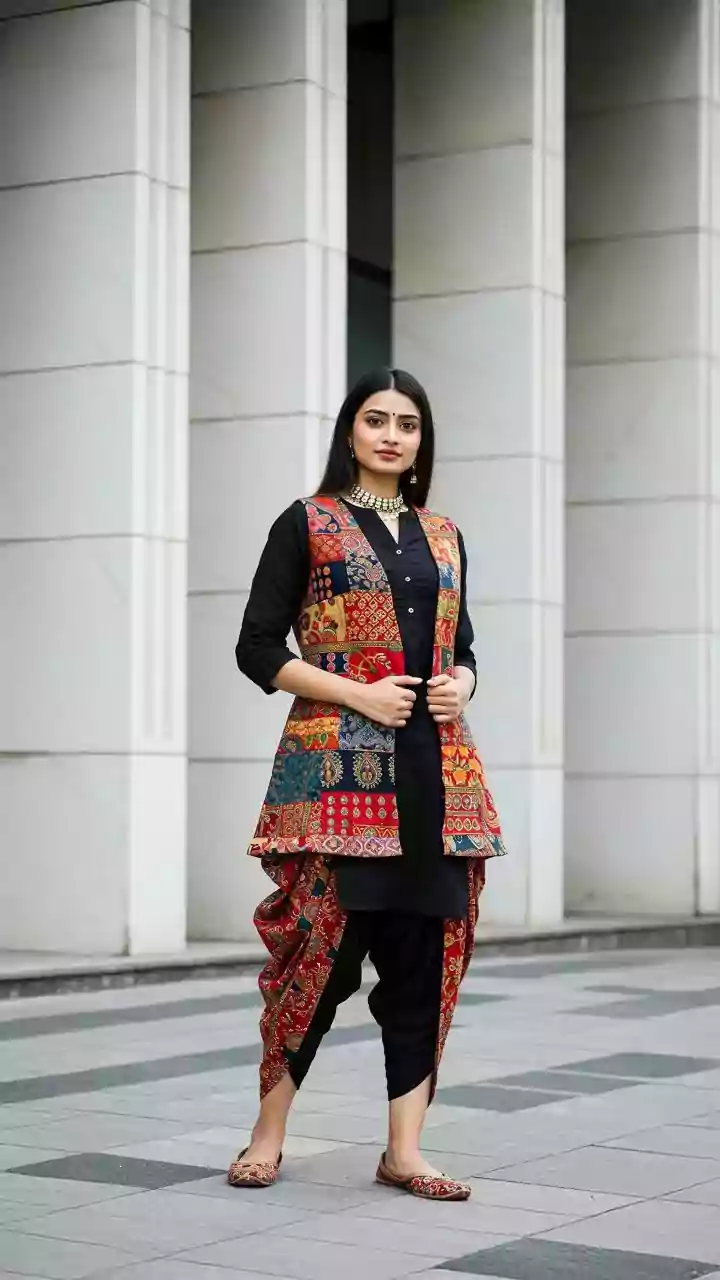
Today, these age-old practices are experiencing a modern renaissance. As consumers become more conscious of sustainability and seek out unique, handmade products, traditional upcycling crafts are finding a new and appreciative market. Social enterprises and design studios are collaborating with rural artisans, helping to provide them with a stable livelihood while preserving their invaluable skills. These organisations are bringing Kantha quilts, Godhadis, and Chindi accessories to a global audience, proving that traditional wisdom holds powerful solutions for a sustainable future. This revival not only empowers women and local communities but also ensures that these beautiful traditions continue to be passed down through generations.