


As temperatures dip, India’s forests come alive. The winter season, from November to February, offers the perfect blend of pleasant weather and incredible wildlife sightings, making it the ideal time for an unforgettable safari adventure.
Why Winter is a Prime Safari Season
Planning a wildlife
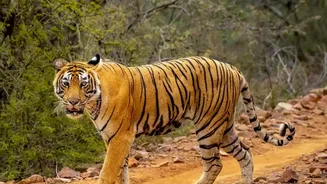
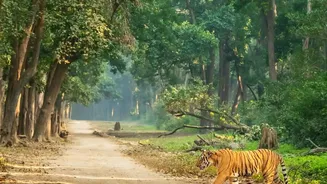
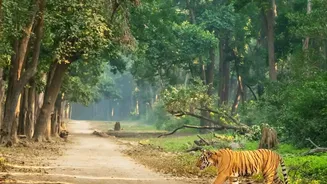
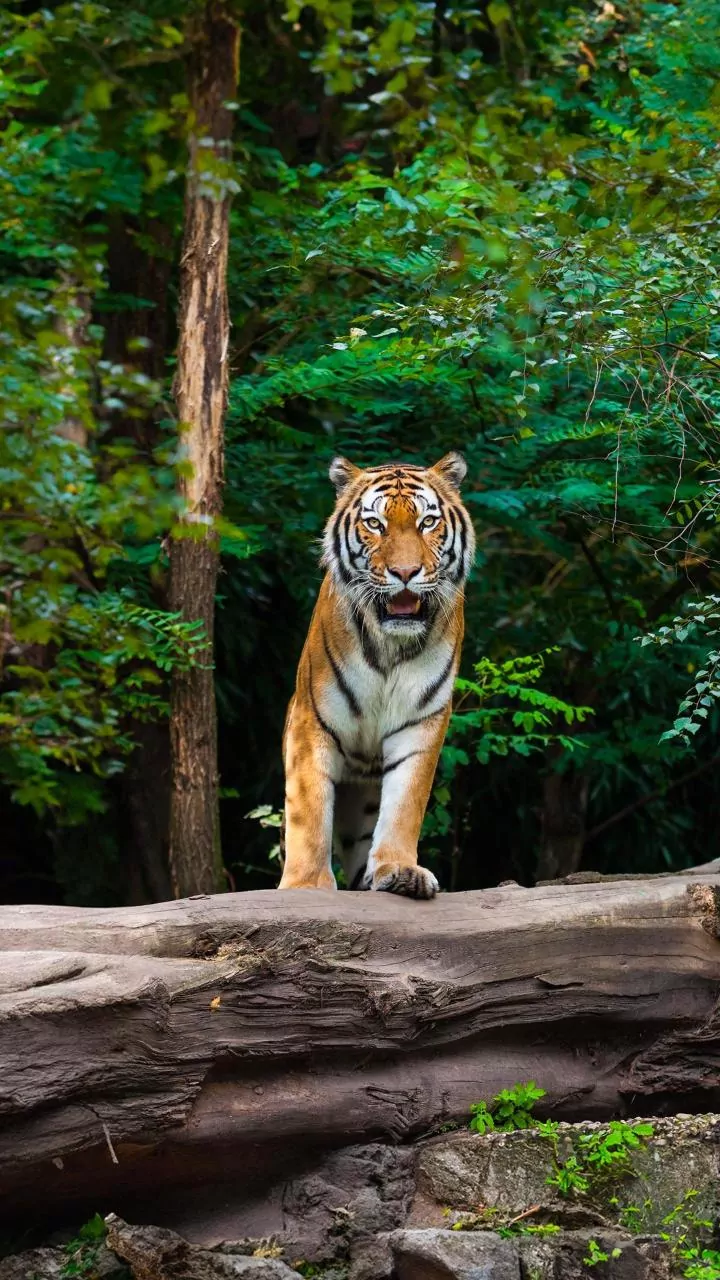
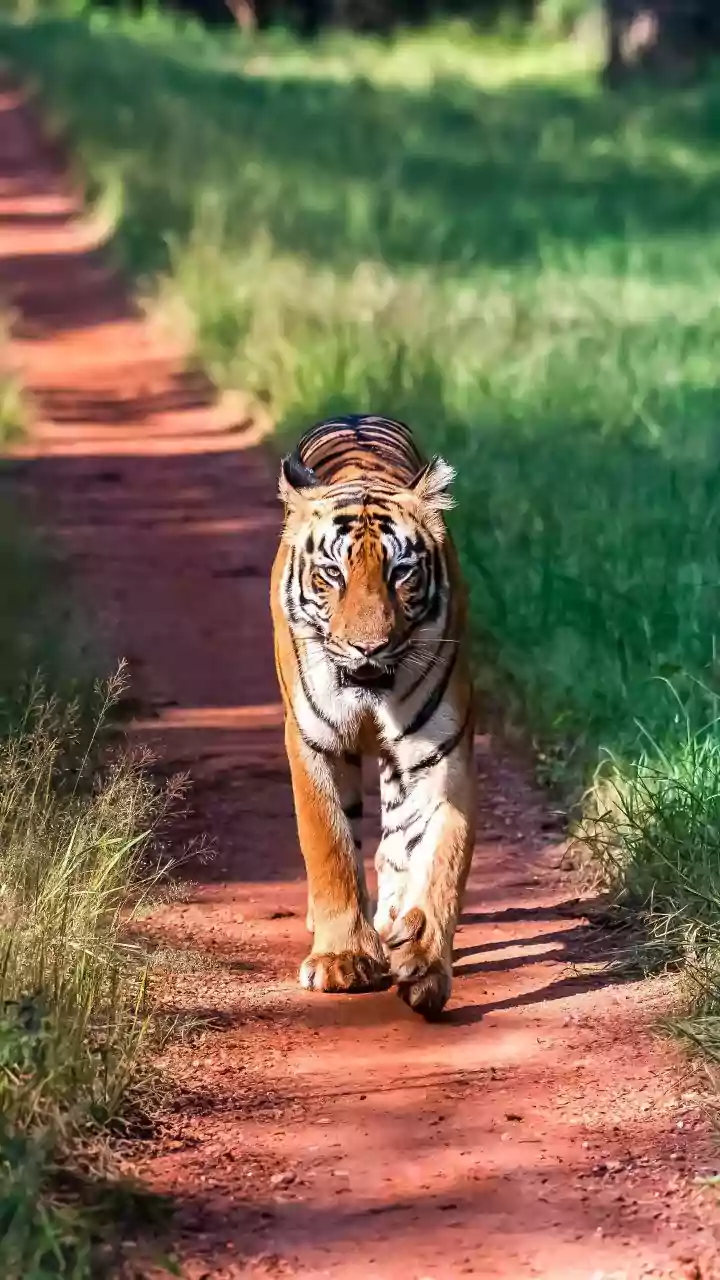
trip in winter has distinct advantages. The scorching heat of summer gives way to cool, comfortable days, making early morning and afternoon safaris much more enjoyable. The post-monsoon foliage begins to thin out, and the grass dies back, significantly improving visibility into the forest. This clearer view means a better chance of spotting elusive animals. Furthermore, many animals, including the majestic Bengal tiger, are more active during the day in winter. They are often found basking in the sun in open clearings or on rocky outcrops to warm up, providing excellent opportunities for photographers and wildlife enthusiasts alike. Winter is also a paradise for birdwatchers, as hundreds of migratory species arrive, adding a splash of colour and activity to the landscape.
Ranthambore National Park, Rajasthan
Famous for its dramatic landscapes that blend dry deciduous forests with ancient ruins, Ranthambore is a top destination for tiger sightings. The park’s historic 10th-century fort provides a stunning backdrop for wildlife photography. In winter, the pleasant weather makes for comfortable safari drives, and tigers are frequently seen near the park's iconic lakes, such as Padam Talao and Rajbagh Lake. Besides tigers, you can also spot leopards, sloth bears, sambar deer, and marsh crocodiles. The park's well-organized safari system, using open-top gypsies and canters, allows visitors to explore different zones, with zones 2, 3, and 4 being particularly known for frequent tiger activity. Due to its popularity, especially during the peak winter months of December and January, it's crucial to book safari permits well in advance.
Jim Corbett National Park, Uttarakhand
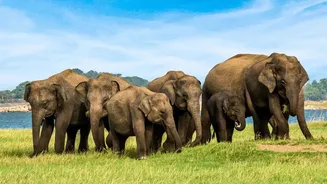
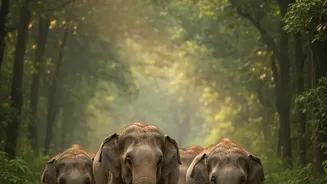
As India's oldest national park, Jim Corbett holds a special place in the country's conservation history. Nestled in the Himalayan foothills, its diverse terrain includes dense sal forests, riverine belts, and expansive grasslands known as 'chaurs'. Winter is an exceptional time to visit, with crisp, misty mornings giving way to clear, sunny afternoons. The park is renowned for its healthy population of Bengal tigers and large herds of Asian elephants. The cooler temperatures mean animals are more active, and the reduced foliage enhances visibility. Corbett is also a premier birdwatching destination, with over 580 resident and migratory species recorded, making it a vibrant hub of avian life during the winter. Safari zones like Dhikala, Bijrani, and Jhirna are popular for their distinct landscapes and wildlife patterns.
Kaziranga National Park, Assam
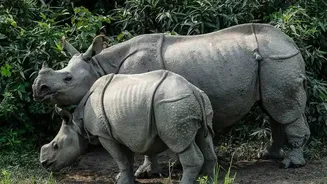
For those seeking the magnificent greater one-horned rhinoceros, Kaziranga National Park is the ultimate destination. This UNESCO World Heritage Site is home to nearly two-thirds of the world's population of this iconic species. The park is only open from November to April, as monsoon floods make it inaccessible for the rest of the year, making winter the prime and practical season for a visit. During this time, the weather is mild and dry, and the tall elephant grass is often burned off in controlled patches, leading to clearer sightings of rhinos, wild water buffalo, elephants, and swamp deer. While famous for its rhinos, Kaziranga is also a designated Tiger Reserve and home to a variety of other wildlife, plus it becomes a birdwatcher's paradise with the arrival of migratory birds. Both jeep and elephant-back safaris are available, offering different perspectives of this unique grassland ecosystem.
Tadoba-Andhari Tiger Reserve, Maharashtra
Quickly gaining a reputation as one of India's most reliable parks for tiger sightings, Tadoba-Andhari in Maharashtra is a favourite among serious wildlife photographers. The park boasts a high density of tigers, and its dry deciduous forests and network of lakes create a perfect habitat for these big cats. While the summer months are known for concentrating animals around waterholes, the winter offers a more comfortable safari experience with pleasant temperatures. Tiger sightings remain frequent in winter, with big cats often seen roaming freely near the park's lakes or basking in the sun. The reserve is also home to leopards, sloth bears, wild dogs, and gaur (Indian bison). The growing and healthy tiger population, including famous individuals like the tigress 'Maya' and her lineage, has made Tadoba a star attraction.
Kanha National Park, Madhya Pradesh
The sprawling meadows and lush sal forests of Kanha National Park are said to have inspired Rudyard Kipling's 'The Jungle Book'. This beautiful reserve in Madhya Pradesh is not only one of India's largest but also one of its best-managed. Winter brings a magical quality to the park, with misty mornings and golden light filtering through the trees. It's an excellent time for spotting tigers as they move around the grasslands. Kanha is also famous for being the last remaining habitat of the hard-ground barasingha, or swamp deer, a major conservation success story. The comfortable climate makes it ideal for families and first-time safari-goers looking to spot tigers, leopards, and wild dogs.