




Rethinking Your Face Wash
The first instinct when faced with a greasy T-zone is to reach for a strong, foaming cleanser that leaves your skin feeling squeaky clean. However, this is precisely the habit skincare lovers are ditching. Harsh cleansers strip the skin of its natural
oils, triggering your sebaceous glands to produce even more oil to compensate, leading to a vicious cycle of grease and breakouts. The new approach is about balance. Opt for a gentle, pH-balanced cleanser that effectively removes dirt and grime without compromising your skin’s protective barrier. For those who wear makeup or sunscreen (which should be everyone), double cleansing in the evening with a lightweight oil or balm followed by a gel cleanser is a game-changer. It ensures your pores are thoroughly clear without causing irritation or dryness, setting the perfect foundation for the rest of your routine.
Hydration That Breathes
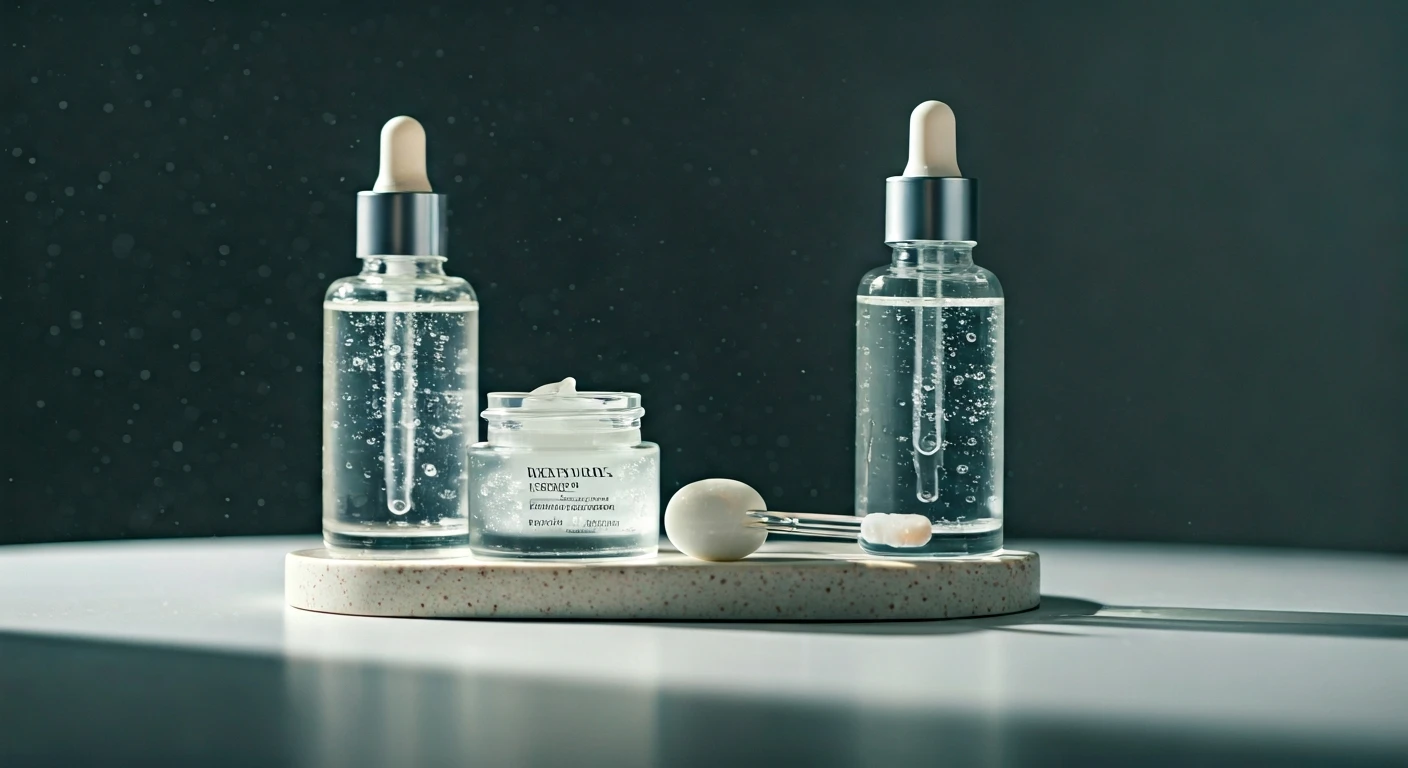
One of the biggest monsoon skincare myths is that oily or combination skin doesn't need a moisturiser in humid weather. Skipping this crucial step can dehydrate your skin, making it look dull and feel tight. The reinvention here lies not in skipping moisturiser, but in choosing the right kind. Heavy, occlusive creams are out. Instead, the focus is on lightweight, water-based hydration. Look for gel moisturisers, serums, and essences packed with humectants like hyaluronic acid, which draws moisture into the skin without feeling heavy or sticky. Another hero ingredient is niacinamide, which helps regulate oil production, minimise pores, and strengthen the skin barrier, making it a perfect all-rounder for the monsoon season. These formulas sink in quickly, leaving your skin plump and hydrated, not greasy.
Strategic, Gentle Exfoliation
The combination of sweat, oil, and humidity during the monsoon can lead to clogged pores and a build-up of dead skin cells, resulting in a dull complexion and pesky breakouts, including fungal acne. While exfoliation is key, the days of abrasive physical scrubs are numbered. The modern routine champions chemical exfoliants containing Alpha Hydroxy Acids (AHAs) like glycolic or lactic acid, and Beta Hydroxy Acids (BHAs) like salicylic acid. BHAs are oil-soluble, meaning they can penetrate deep into the pores to clear out congestion, making them particularly effective for monsoon-induced acne. AHAs work on the surface to dissolve dead skin cells and improve texture. The key is to use them strategically—once or twice a week is usually enough—to maintain clarity and glow without over-exfoliating and irritating the skin.
Focus on Barrier Repair
A healthy skin barrier is your first line of defence against environmental stressors, bacteria, and moisture loss. The constant dampness of the monsoon can weaken this barrier, making your skin more susceptible to infections and irritation. This is why a new pillar of modern skincare is barrier repair. Instead of just treating problems as they arise, the goal is to proactively strengthen the skin’s foundation. Ingredients like ceramides, which are lipids that are naturally part of the skin barrier, are essential. Panthenol (Vitamin B5) and Centella Asiatica (Cica) are also celebrated for their soothing and healing properties. Incorporating a serum or moisturiser with these ingredients can help calm inflammation, reduce redness, and keep your skin resilient against the challenges of the humid climate.
Sunscreen Is Still Non-Negotiable
Perhaps the most important rule that remains unchanged—yet is still often forgotten—is wearing sunscreen every single day. The clouds of the monsoon are deceptive; up to 80% of the sun's harmful UVA and UVB rays can penetrate through them. These rays are responsible for premature ageing, pigmentation, and increasing skin cancer risk. The thought of applying a thick layer of sunscreen in sticky weather is unappealing, but thankfully, formulations have evolved. The market is now flooded with ultra-lightweight, non-greasy, and non-comedogenic sunscreens. Look for gel-based or fluid formulas that offer broad-spectrum protection (at least SPF 30) and leave no white cast. This non-negotiable step protects all the hard work you’ve put in with the rest of your routine.