






The National Water Outlook Is Low
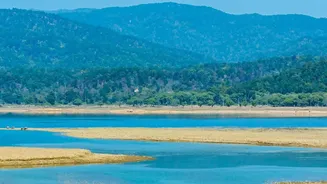
According to the latest data from the Central Water Commission, water storage across 178 of India's monitored reservoirs is currently at about 70% of total capacity. This figure is notably below the 10-year average of 76.62% and last year's level of 79%
for the same period. The situation is a direct consequence of an uneven southwest monsoon, which delivered about 12% less rainfall than normal nationwide. Since the monsoon replenishes the water sources that supply the country for the rest of the year, this deficit is a significant problem. The impact is not uniform, with some regions facing a much more critical situation than others. The southern states are the most affected, with reservoirs at just 50% of their capacity due to a rainfall deficit of around 23%.
Impact on Cooking and Kitchen Hygiene
For many households, the first signs of a water shortage will appear in the kitchen. Municipal bodies in water-stressed areas may be forced to implement water rationing, limiting supply to a few hours each day. This will require careful planning for all cooking and cleaning activities. Washing vegetables and dishes, which are often done without a second thought, will need to be managed with greater efficiency. Using running water to wash produce will become a luxury many cannot afford. Instead, using a basin of water will be more practical. The quality of tap water could also decline as lower reservoir levels can lead to a higher concentration of sediments and pollutants, potentially requiring additional filtration or boiling before consumption. Even the water from RO filters, which many urban households depend on, will be affected as the system requires sufficient inlet pressure to function correctly.
Gardening and Green Spaces Under Threat
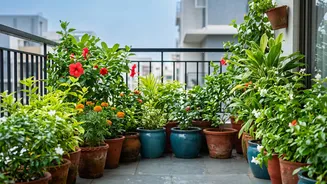
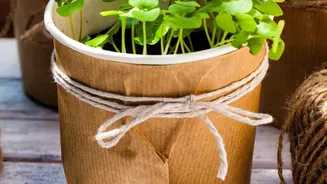
The dream of a lush home garden may have to be put on hold. During a water shortage, using potable water for gardening is often one of the first activities to be restricted by local authorities. For those with established gardens, this could mean watching plants wither. The situation will force a shift in gardening practices. Home gardeners may need to invest in rainwater harvesting systems to capture whatever rainfall they can. Another practical step is to transition towards xeriscaping, a gardening style that uses drought-resistant native plants that thrive with minimal water. Species like Bougainvillea, Lantana, and Portulaca are well-suited to drier conditions and can provide colour and life to a garden without straining precious water resources. For kitchen gardens, reusing greywater from washing dishes or clothes (using biodegradable soap) could become a necessary measure to keep food-producing plants alive.
Rethinking Household Cleaning Routines
Daily and weekly cleaning chores consume a significant amount of water. From mopping floors to doing laundry and washing cars, these tasks will need a major rethink. Instead of daily mopping with fresh water, spot cleaning and less frequent, more targeted mopping might become the norm. When it comes to laundry, running washing machines only with full loads is a simple but effective water-saving habit. Washing cars and cleaning driveways with a hose will likely be discouraged, pushing people towards using a bucket and cloth or seeking out waterless car-washing services. Even personal hygiene habits, like taking long showers, will need to be adjusted. Shifting to quicker showers or using a bucket for bathing can save a substantial amount of water daily, helping to reduce a household's overall consumption and ease the strain on municipal supplies.
Adapting to the New Normal
The low reservoir levels are a clear signal that water conservation is no longer a choice but a necessity. The immediate impacts on cooking, cleaning, and gardening are a reminder that national resource management has direct household consequences. While large-scale solutions rest with government policies on water management and conservation, individual actions can make a collective difference. Installing aerators on taps to reduce flow, fixing household leaks promptly, and consciously reducing water use wherever possible are crucial first steps. The current shortage serves as a critical wake-up call, urging a shift in our relationship with water from one of abundance to one of careful stewardship.