
What Makes a Tea 'Specialty'?
Before you can choose a great specialty tea, it helps to know what the term means. Unlike mass-market teas, which often use dust and fannings—the smallest particles of tea leaves—specialty tea is defined by its quality and craftsmanship. It typically
consists of whole or large-fragment tea leaves. These larger leaves retain more of their essential oils and complex flavour compounds, resulting in a more nuanced and aromatic brew. Specialty teas are often produced with great care, using traditional methods that have been passed down through generations. The focus is on exceptional quality, from the specific leaves selected to the precise way they are processed.
The Importance of a Tea's Origin
Much like with fine wine, the concept of 'terroir' is crucial in the world of tea. Terroir refers to the unique environmental factors of the place where the tea is grown—including the soil composition, altitude, climate, and rainfall. These elements combine to give a tea its distinct character and flavour profile. A high-altitude tea from Darjeeling, for example, will taste vastly different from a sea-level tea grown in Japan. Paying attention to the origin—whether it's a country like China or India, a specific region like Assam, or even a single estate—is one of the best ways to explore different tastes. Single-origin teas, which come from one specific location, offer a pure expression of that place's terroir.
Read the Ingredient List Carefully
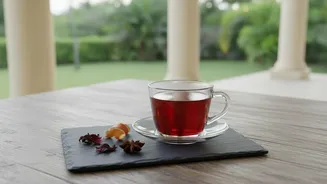
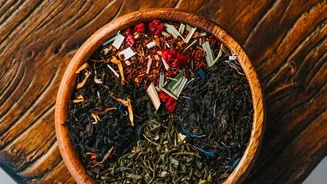
When you move into the world of flavoured teas, the ingredient list becomes your most important tool. Many high-quality blends use 'inclusions'—real pieces of fruit, flowers, herbs, and spices that you can often see mixed in with the tea leaves. These provide a natural and balanced flavour. However, you will also encounter teas that use added flavourings. It's important to distinguish between 'natural flavourings', which are derived from natural sources like bergamot oil in Earl Grey, and 'artificial flavourings', which are synthesized in a lab. While not all flavourings are bad, an over-reliance on them can sometimes be used to mask lower-quality base tea. If the ingredient list is vague or simply says "artificial flavours," it might be a sign to choose another option.
Understanding Tea Leaf Quality and Freshness
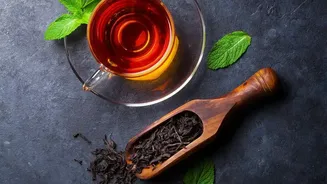
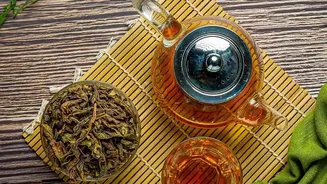
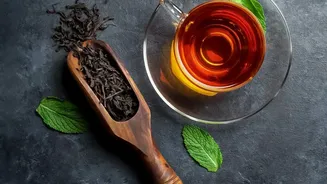
Visual cues can tell you a lot about a tea's quality. High-quality loose-leaf tea should consist of whole or large, uniformly sized leaves, not crushed, dusty bits. The leaves should have a vibrant, natural colour and a fresh, distinct aroma when you open the package. If the tea smells stale or looks dull, it may be old. Freshness is key because, unlike some beverages, tea does not improve with age and loses its flavour over time. A reputable seller will often provide information about the harvest date, especially for prized seasonal teas like a 'first flush' Darjeeling, which is harvested in the spring. Don't be afraid to ask your vendor questions about where and when the tea was sourced.
Decoding Certifications on the Package
You'll often see various logos and seals on tea packaging. These certifications can provide valuable information about how the tea was produced. 'Organic' labels, for example, mean the tea was grown without most synthetic pesticides and fertilisers. 'Fair Trade' certification focuses on the social and economic aspects, ensuring that farmers and workers receive a fair price and work in safe conditions. The 'Rainforest Alliance' seal (often featuring a green frog) indicates that the tea was farmed in a way that protects biodiversity, conserves resources, and supports workers' rights. While no single certification tells the whole story, they can be useful guides for making more conscious purchasing decisions.