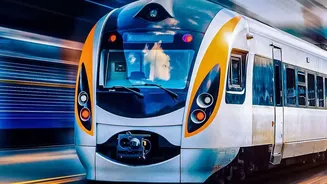






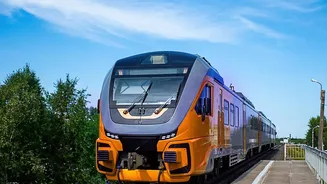
The Vande Bharat Express experience is getting a culinary rethink. IRCTC has launched a trial to serve shorter, simpler menus on three key routes, adopting an airline-style approach to improve food quality, hygiene, and service efficiency.
Which Routes Are Part of the Trial?
The new, more
compact menu is currently being tested on three of the Vande Bharat sleeper train routes. The pilot project, which began on November 1, 2026, involves the services connecting New Delhi and Varanasi, Mumbai and Bengaluru, and Howrah and Kamakhya (Guwahati). The Indian Railway Catering and Tourism Corporation (IRCTC) is closely monitoring passenger feedback on these routes before making any decision on a wider rollout across its network of long-distance premium trains.
The 'Less Is More' Philosophy
The primary driver behind this change is a strategic push to enhance food quality and consistency. Officials have indicated that the decision follows persistent passenger complaints regarding food quality and hygiene standards on trains. The logic is straightforward: by reducing the number of dishes on offer, catering staff and partner kitchens can better monitor the quality, freshness, and preparation of each item. This airline-style model aims to streamline operations, reduce potential food wastage, and ensure that meals served to passengers are consistently fresh and hygienic.
What’s Off the Menu?
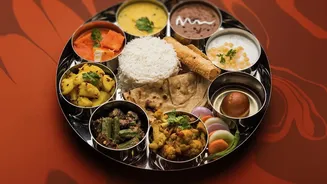
The new menu represents a significant trim from the previous, more elaborate offerings. For breakfast, items such as soup, egg omelettes, omelette sandwiches, and vegetable sandwiches have been removed. For lunch and dinner, passengers will no longer find accompaniments like a separate dry vegetable dish, curd, salad, pickles, or sweets on their trays. The focus has shifted to a core meal. For example, breakfast options may now be limited to choices like idli-vada, poha, or upma. Similarly, lunch and dinner will typically consist of roti, rice, dal, and a single main dish, with a choice between a vegetarian or non-vegetarian (chicken) option.
Lighter Trays and New Partners
The change is also reflected in the total weight of the meal. Previously, a meal tray could weigh between 700 and 750 grams. Under the new trial, this has been reduced to approximately 450 to 500 grams. However, IRCTC officials have clarified that this reduction comes from removing entire items from the tray, not from shrinking the portion sizes of the remaining dishes. To facilitate this new focus on quality over quantity, IRCTC has partnered with major hospitality groups and cloud kitchens, such as TajSATS and the Mayfair Group, to prepare the meals for these routes, moving away from traditional pantry car preparations for some services.
The Impact on Passenger Experience
The trial presents a clear trade-off for travellers. On one hand, the promise of higher quality, more hygienic, and fresher food is a significant plus. Early reports from IRCTC's West Zone have even indicated a 10% drop in catering-related complaints since similar measures were introduced. On the other hand, passengers now have fewer choices and a less elaborate meal. The removal of popular items like curd, salad, and a sweet dish may be felt by those accustomed to a fuller thali experience. With catering charges often included in the ticket fare, some passengers are now watching to see if the reduced menu will lead to a corresponding adjustment in prices. The success of this pilot will ultimately depend on whether passengers feel the improvement in quality justifies the reduction in variety.