








The CV's Crisis of Confidence
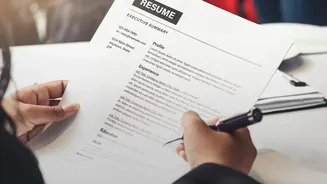
For decades, the recruitment process has started with a simple document: the curriculum vitae. But the widespread availability of powerful AI tools has fundamentally broken this first step. Job seekers can now produce highly polished and tailored CVs
in minutes, often exaggerating their experience or even fabricating roles. A recent survey found that an overwhelming 92% of recruitment leaders believe AI-generated resumes are now commonplace. This influx of what some recruiters call "AI sludge" means that CVs have become more standardised and less distinctive, making it incredibly difficult for hiring managers to spot genuine talent. The result is a growing distrust in the document itself. One study revealed that only a third of employers are now "very confident" that a resume accurately reflects a candidate's actual skills.
An Arms Race Against Authenticity
This has created a digital arms race. Candidates use AI to get past the automated Applicant Tracking Systems (ATS) that companies use to filter applications. In turn, companies are struggling as their systems are flooded with applications that pass keyword checks but don't represent real ability. Recruiters report spending hours on screening calls only to discover within minutes that the candidate on the phone doesn't match the person on the page. This isn't just an annoyance; it's a significant business risk. Companies relying heavily on resumes are more likely to make costly bad hires because the initial screening process is no longer reliable. The CV, which was always just a proxy for ability, is now a dangerously noisy and unreliable signal.
Enter Skills-First Hiring
In response, a growing number of organisations are making a strategic pivot to a more reliable method: skills-first hiring. This approach de-emphasises traditional qualifications like degrees, job titles, and years of experience, and instead prioritises a candidate's demonstrable abilities. The core question shifts from "What does your CV say?" to "What can you actually do?". By focusing on both technical and soft skills, companies aim to find people who can perform essential tasks from day one, regardless of their educational background. For India, with its vast and diverse workforce, this shift is particularly powerful, creating opportunities for self-taught coders, bootcamp graduates, and career changers who have the requisite skills but not the traditional credentials.
Putting Abilities to the Test
Implementing a skills-first strategy involves redesigning the hiring process to test for capability directly. Instead of just screening CVs, companies are introducing practical, job-relevant assessments early on. For a software developer, this could be a coding challenge. For a marketing role, it might be a case study analysis. For a financial analyst, it could be a task involving data analysis and budgeting software. These are followed by structured interviews where every candidate is asked the same competency-based questions and scored on a consistent rubric. The simple act of adding a skills test can cause a drastic drop in applications, successfully filtering out the noise and allowing recruiters to focus on a smaller pool of genuinely qualified candidates.
A More Equitable and Effective Future
The benefits of this shift extend beyond just filtering out embellished CVs. By focusing on skills, companies can access a much larger and more diverse talent pool, reducing bias based on factors like age, gender, or educational background. This creates a more equitable playing field where people are judged on what they know, not where they come from. For job seekers in India, the message is clear: while AI can help polish a CV, the real focus must be on building, demonstrating, and being able to prove your skills. A strong portfolio, practical project work, and the ability to excel in a technical assessment are fast becoming more valuable than a perfectly worded resume.