





First, What Is a 'Weaker' Rupee?
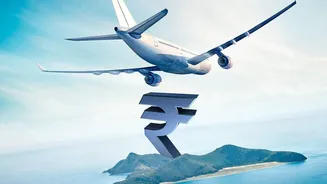
In simple terms, a 'weaker' or 'depreciating' rupee means you need to spend more rupees to buy a single unit of a foreign currency, like the US dollar. For instance, if the exchange rate moves from ₹84 to ₹95 for one US dollar, the rupee has weakened.
Your rupees now have less purchasing power abroad. While exchange rates are always in flux due to global economic factors, a consistent downward trend directly impacts anyone spending money outside India. This isn't just a concern for economists; it has a real-world effect on your travel plans.
How It Hits Your Biggest Expenses
The most significant parts of your travel budget are usually flights and accommodation. These are often priced in US dollars or other strong foreign currencies. Let's do the math. Imagine a hotel room costs $150 per night. A year ago, at an exchange rate of ₹84 per dollar, that room would cost you ₹12,600. Today, with the rupee at around ₹95 per dollar, the exact same room costs ₹14,250. For a five-night stay, that’s an extra ₹8,250 you're paying for the same experience. Airlines also face costs like fuel and leasing in dollars, and these increased expenses are often passed on to consumers, making airfares more expensive.
The Daily Budget Squeeze
The impact doesn’t stop at big-ticket bookings. Every dollar, euro, or pound you spend on the ground—for food, local transport, museum tickets, or a simple coffee—costs you more in rupees. A $50 dinner for two that would have been ₹4,200 now sets you back ₹4,750. A $100 ticket for a theme park swells from ₹8,400 to ₹9,500. These seemingly small daily increases accumulate rapidly over the course of a week-long trip, potentially adding up to an extra ₹10,000 to ₹20,000 on incidental expenses alone. This is what travel experts mean when they say the overall trip cost can rise by 15-20% due to currency depreciation alone.
The Shopping and Souvenir Shock
Shopping is a major part of many international holidays, but a weak rupee can deliver a nasty surprise at the checkout counter. That designer bag, electronic gadget, or local handicraft priced in a foreign currency will require more of your rupees. A souvenir that costs €50 would have been roughly ₹4,400 when the rupee was stronger against the euro, but it could now be closer to ₹5,000. For larger purchases, the difference becomes even more stark, forcing many travellers to either cut back on their shopping lists or increase their overall budget significantly.
So, How Can You Soften the Blow?
While you can't control currency markets, you can make smarter decisions. One popular strategy is to book flights and hotels well in advance to lock in prices before the rupee potentially weakens further. Using a multi-currency forex card allows you to load funds at a fixed exchange rate, protecting you from fluctuations during your trip. Another approach is to adjust your destination. Consider travelling to countries where the rupee has a more favourable exchange rate, such as Vietnam, Thailand, or parts of Eastern Europe. Some travellers are also opting for shorter trips or setting stricter daily budgets to manage the rising costs.