






Why You Can't Just Go Back
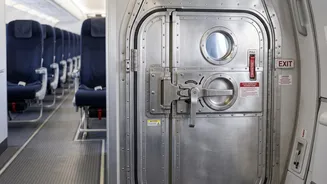
Once you step off the jet bridge and into the terminal, you have exited a secure area. For security reasons, passengers are generally not allowed to re-enter a jet bridge or an aircraft after deplaning. Think of the aircraft door as a one-way exit. As
soon as the last passenger is off, the clock starts ticking for the airline. The plane must be cleaned, restocked, and prepared for its next flight, often within a very tight timeframe. Allowing passengers back on board would disrupt this tightly choreographed operational dance and create security complications for both the airline and airport authorities.
The Journey of a Lost Item
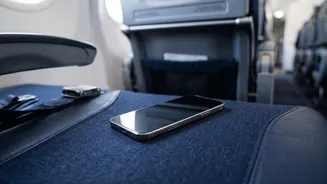
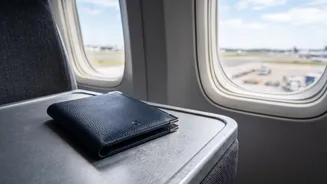
So what happens to your forgotten item? The first people to encounter it are usually the cleaning crew. They sweep through the cabin, checking seat pockets, overhead bins, and floors. Standard procedure is for crews to collect any found items and hand them over to the airline's ground staff. From there, the item is logged and sent to the airline's dedicated lost-and-found department or, in some cases, the airport's central lost property office. This is the beginning of its formal journey through the system, and your best chance of recovery relies on intercepting it early.
Your First Move: Act Immediately
Time is of the essence. If you realise you’ve left something behind while still in the airport, go directly to the airline’s customer service desk. This might be near the arrival gate or in the baggage claim area. Do not waste time asking a random airport employee; you need to speak with the airline that operated your flight. If the aircraft is still at the gate, an agent might be able to contact the crew on your behalf to retrieve the item. The sooner you report it, the higher the chance it can be located before it gets absorbed into the vast and often slow-moving lost and found system.
Filing a Formal Report Online
If you’ve already left the airport, your next step is to file an official lost item report online. Nearly all major airlines, including United, Delta, and American, have dedicated forms on their websites for this purpose. Be as detailed as possible in your description. Don't just say 'a black jacket'. Instead, write 'a black, size medium, polyester rain jacket from Zara with a broken zipper on the left pocket'. Include your flight number, date of travel, and seat number. For electronics, a serial number is incredibly helpful. Vague descriptions make it nearly impossible for staff to match your report to an item. After filing, you'll typically receive a reference number to track the status of your query.
Airline vs. Airport Lost and Found
It’s crucial to know who to contact. Items left on an aircraft are the airline's responsibility. Items left in the broader airport terminal—at security, in a food court, or at a restroom—are handled by the airport's own lost and found department. If you used a TSA security checkpoint, they have their own separate lost and found process as well. While it can be confusing, always start with the airline if you are certain the item was left on the plane. If they are unable to locate it, it may then be worth checking with the airport's lost property office.
Managing Your Expectations
While airlines and their staff do their best to reunite passengers with their belongings, recovery is never guaranteed. Items can be mistakenly picked up by other passengers, missed by the cleaning crew, or simply vanish. High-value items like laptops, tablets, and passports tend to have a higher recovery rate because they are processed more carefully. Smaller, lower-value items like books or chargers may be harder to track. Airlines typically hold onto items for about 30 days before they are disposed of, donated, or in some cases, sold to companies that specialize in unclaimed baggage. Your patience and a detailed report are your best assets in this process.