

The Dam-Missile Hypothesis
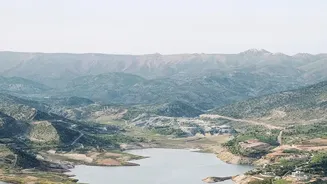
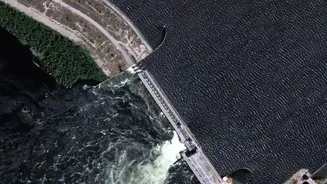
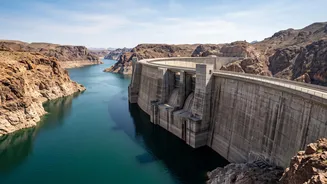
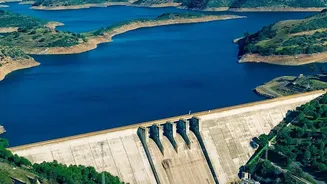
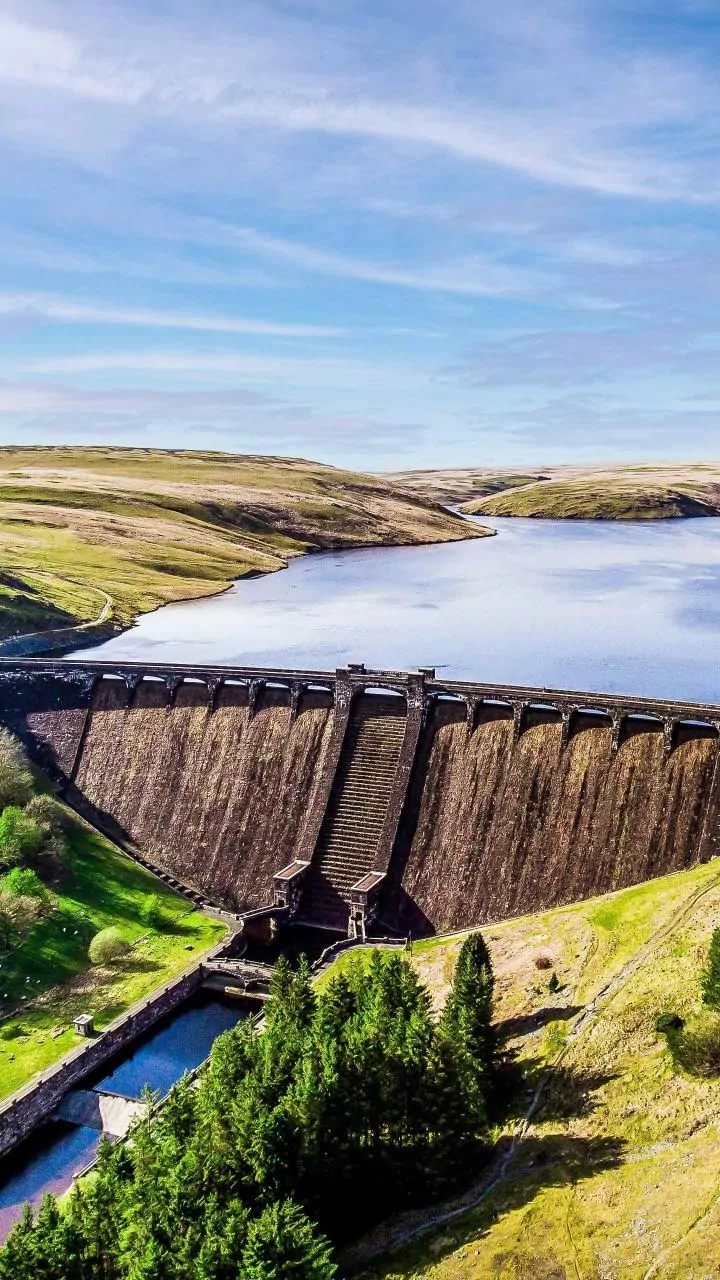
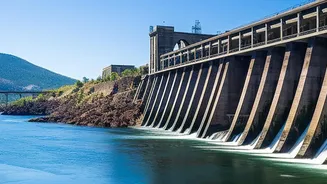
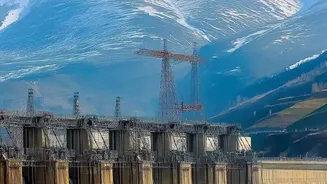
Recent analysis, highlighted in a New York Times report, has put forward a theory that has long puzzled water and environmental experts: that Iran's extensive network of over 500 dams may have a dual purpose. For years, experts wondered why so many dams were
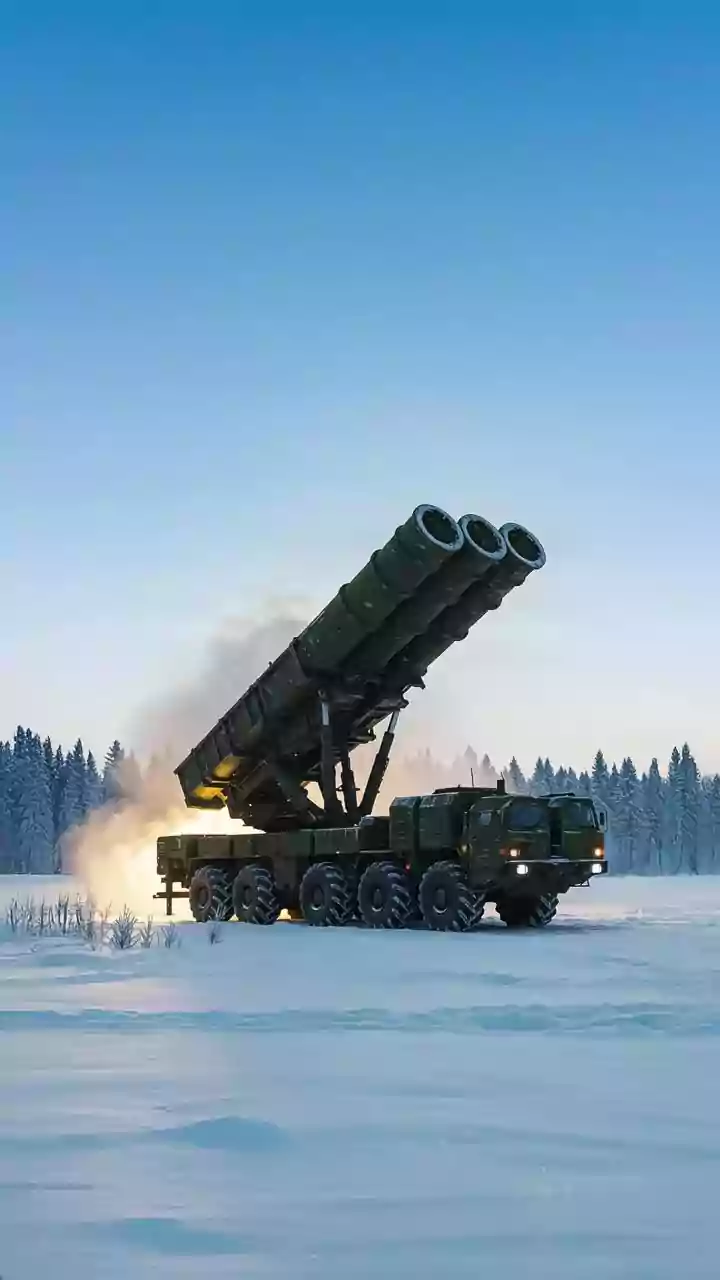
built, often in areas with no clear civilian need. The hypothesis suggests that the placement of these water and power projects may have been deliberately chosen to support Iran's sprawling underground military complexes, often called 'missile cities'. The theory gained traction after recent US and Israeli airstrikes on suspected missile facilities appeared to overlap with the geographical locations of many dams. The idea is that these dams could provide a steady, independent supply of water and electricity to fortified military sites, crucial for sustaining operations during a conflict.
A Fierce Official Pushback
The Iranian government has vehemently rejected the notion that its civilian infrastructure is linked to its military program. Officials have labeled the allegations as a malicious campaign to create a pretext for attacking the country's vital infrastructure. Iran's Foreign Ministry argued the claims were baseless propaganda, while Parliament Speaker Mohammad Bagher Ghalibaf issued a stark warning. He stated that if the proximity of dams to military sites makes them targets, then the same logic could be applied to ports, dams, and power plants located near American and Israeli military bases, raising the spectre of a dangerous escalation where civilian infrastructure becomes fair game.
Skepticism from Experts
While the geographical correlation is intriguing, many experts have urged extreme caution, emphasizing that proximity does not prove causality. Some analysts argue that both military sites and dams are often built in mountainous regions for practical reasons—topography for defence and water collection, respectively—making an overlap logical without being conspiratorial. Other experts point out that Iran's troubled history with water management, often driven by fragmented planning and politically connected construction firms, offers a more mundane explanation for the dam-building boom. They warn that framing dams as dual-use facilities is a dangerous narrative during an active conflict, as it could be used to justify attacks on infrastructure protected under international law, threatening millions of civilians.
A Backdrop of High-Stakes Tensions
This debate is not happening in a vacuum. It unfolds against a backdrop of escalating conflict, cyberattacks, and a stalled nuclear diplomacy. Iran has refused the International Atomic Energy Agency (IAEA) access to most of its nuclear facilities, citing ongoing military threats from the US and Israel. The IAEA, in turn, has expressed grave concern, stating it cannot verify that nuclear material has not been diverted for non-peaceful purposes. Meanwhile, the US Homeland Security Secretary recently testified that Iranian-linked actors have been targeting American critical infrastructure—including water, energy, and transportation sectors—with cyberattacks since the conflict began earlier in the year, though he did not attribute recent major outages in the US to this activity. Russia and China have sided with Iran, stating that IAEA inspections can only resume once military threats cease.