







What Is a ‘Recovery Score’?
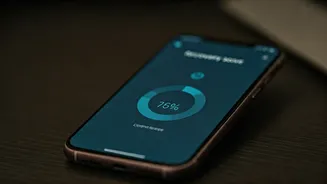
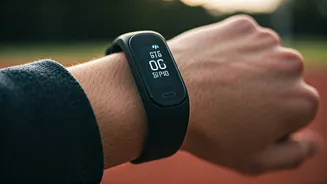
Imagine starting your day knowing exactly how much you have in the tank. That’s the promise of a recovery score. It’s a single number, usually out of 100, generated by a wearable device (like a smart ring, watch, or band) and its companion app. This score aims
to quantify how well your body has recuperated overnight from the stresses of the previous day, including workouts, work pressure, poor sleep, and even diet. A high score (say, 90%) suggests you’re primed for a challenging day or a tough workout. A low score (e.g., 40%) is a signal from your body to take it easy, prioritise rest, and perhaps skip that high-intensity training session in favour of a gentle walk or stretching.
The Science: HRV and Sleep Data
This isn't just a random number. Recovery scores are typically calculated using a few key biomarkers, with Heart Rate Variability (HRV) being the most important. HRV measures the variation in time between each of your heartbeats. A high HRV is generally a sign that your autonomic nervous system is balanced and resilient—it's ready to handle stress. A low HRV can indicate fatigue, illness, or physical and mental strain. In addition to HRV, these apps track your resting heart rate (a lower rate is often better), respiratory rate, and, crucially, the quality and duration of your sleep. By analysing your deep sleep, REM sleep, and nighttime disturbances, the app gets a comprehensive picture of your body's overnight repair processes.
From Data to Daily Energy
So, how does knowing your score actually boost your energy? The magic is in the application. By aligning your daily activities with your body's readiness, you avoid pushing yourself into a state of over-exhaustion. On days with a low recovery score, choosing rest or light activity prevents you from digging a deeper hole of fatigue, allowing your energy reserves to replenish. This prevents the cycle of burnout where you feel tired, push through with caffeine, sleep poorly, and wake up even more tired. Conversely, on high-recovery days, you can confidently push yourself in a workout or tackle a demanding project, knowing your body is prepared. Over time, this rhythm of strategic effort and rest leads to more consistent energy levels, better performance, and a reduced risk of injury or burnout.
How to Get Started with Tracking
Getting started is simpler than it sounds. The first step is choosing a wearable device. Popular options in India include the Oura Ring, Whoop band, Fitbit devices, and Garmin watches, each with its own app and scoring system (like Garmin’s ‘Body Battery’ or Whoop's ‘Recovery’). After setting up your device, consistency is key. Wear it every night to establish a baseline. It can take a week or two for the app to learn your personal patterns. Once you start getting reliable scores, begin correlating them with how you feel. Do you feel sluggish on low-score days? Energetic on high-score days? Use the score as a guide. If your score is low, consider a shorter workout, a yoga session instead of a run, or making sure you get to bed earlier. It's about making small, informed adjustments.
A Tool, Not a Magic Bullet
While recovery tracking can be a game-changer, it’s important to see it as a tool, not a command. These scores are based on proprietary algorithms, and technology is never perfect. Sometimes you might wake up feeling great despite a low score, or vice-versa. The most powerful approach is to combine the data with your own intuition. Use the score as a conversation starter with your body. If the app says you’re at 30% but you feel fantastic, perhaps go for that run but pay close attention to your body’s signals. If it says you’re at 95% but you feel off, it’s wise to listen to your body and rest. The data provides objective insight that can challenge your subjective feelings, but your internal wisdom remains the ultimate authority on your well-being.