


The Unsung Heroes: Dals and Legumes
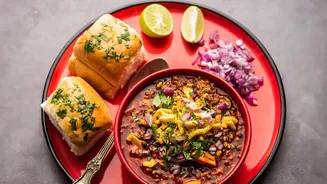
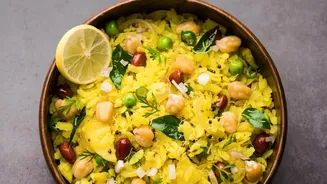
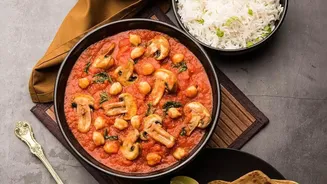
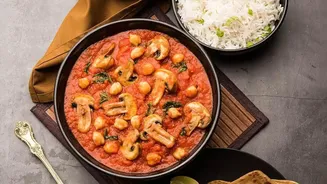
Lentils (dals) and legumes (like chana and rajma) are the foundation of Indian protein intake for a reason. They are affordable, versatile, and packed with plant-based power. A single cup of cooked dal can provide between 12 to 18 grams of protein. Moong,
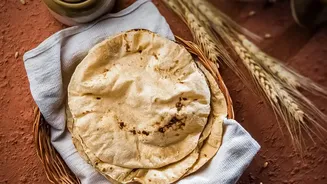
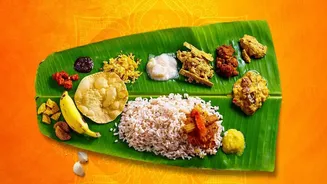
masoor, and toor (arhar) dal are daily staples, with uncooked moong and masoor dal containing about 24 grams of protein per 100g. Chickpeas (chana) and kidney beans (rajma) are also excellent, offering around 15 grams per cooked cup. Combining dal with rice or roti creates a more complete amino acid profile, making this classic combination not just comforting, but also nutritionally smart.
The Dairy Powerhouse: Paneer and Greek Yogurt
For vegetarians, dairy is a primary source of high-quality protein. Paneer (Indian cottage cheese) is a champion, with a 100-gram serving providing a substantial 18-21 grams of protein. It's a complete protein, meaning it contains all nine essential amino acids. While regular curd (dahi) is a healthy food, its protein content is modest at about 3-4 grams per 100g. For a significant protein boost, opt for Greek yogurt (or hung curd), which is strained to remove excess whey, concentrating the protein to about 10 grams per 100g. This makes it a fantastic, creamy alternative for dips, smoothies, or a simple side.
The Mighty Soy Family
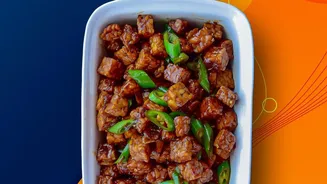
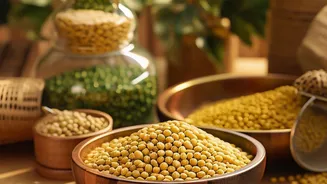
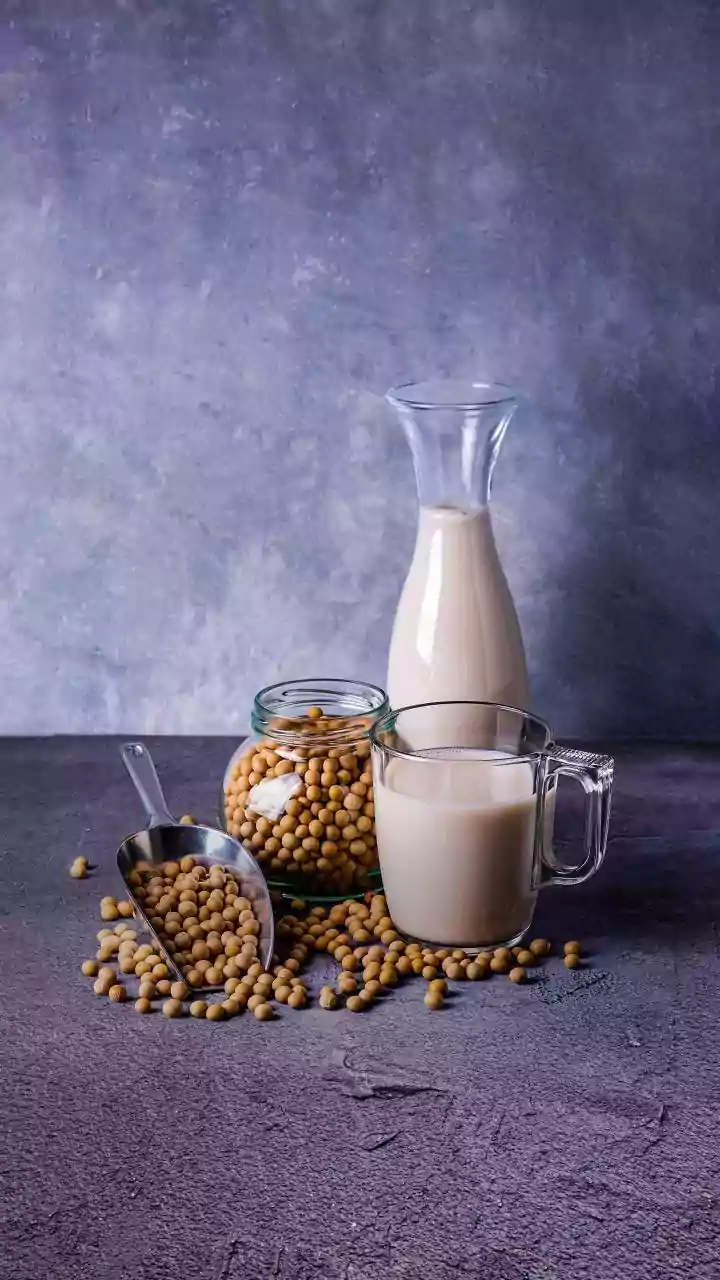
Soy products are some of the most protein-dense options available, particularly for vegans. Soya chunks, or Textured Vegetable Protein (TVP), are a standout, containing a massive 52 grams of protein per 100g (dry weight). Tofu, made from soybean curds, is another versatile option, providing about 8-12 grams of protein per 100g. While paneer has more protein than tofu, tofu is lower in calories, making it a great choice for those managing their weight. Edamame (young soybeans) are also a wonderful snack, full of protein and fibre.
Small but Mighty: Nuts and Seeds
Don't underestimate the power of a handful of nuts and seeds. Peanuts lead the pack with an impressive 26 grams of protein per 100g. Almonds are another great choice, with about 21 grams per 100g. Seeds like pumpkin, sunflower, and chia are also nutritional powerhouses. Just two tablespoons of chia seeds can provide around 5 grams of protein. They are perfect for snacking, sprinkling over salads and yogurt, or blending into smoothies for an easy and effective protein and healthy fat boost.
Grains That Pack a Punch
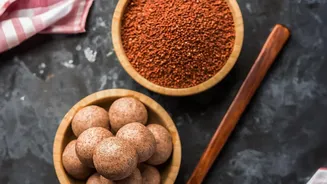
While we often think of grains as carbohydrates, some varieties offer a surprising amount of protein. Quinoa is a 'super grain' for a reason; it's a complete protein source and offers about 8 grams per cooked cup. Traditional Indian millets like amaranth (rajgira) and buckwheat (kuttu) are also excellent choices. A unique and highly effective source is sattu, or roasted Bengal gram flour. Often called the 'poor man's whey protein,' it delivers about 20 grams of protein per 100g and is perfect for a cooling, energising drink.
For the Non-Vegetarians: Eggs and Lean Meats
For those who eat non-vegetarian food, the options are plentiful. Eggs are a gold standard of protein—they are affordable, easy to cook, and a complete protein source. A single large egg contains about 6 grams of high-quality protein. Lean meats are also fantastic. A 100-gram portion of cooked chicken breast can provide as much as 31 grams of protein. Fish like rohu and salmon, and lean cuts of mutton are also excellent ways to meet your daily protein needs while getting essential fats and vitamins.