


The Science of a Simple Batter
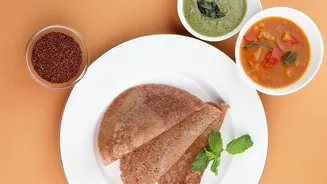
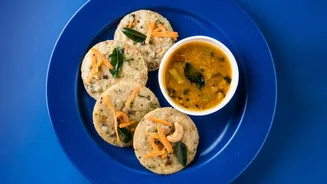
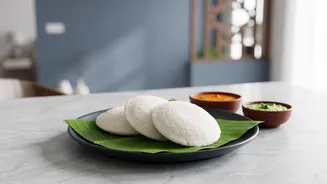
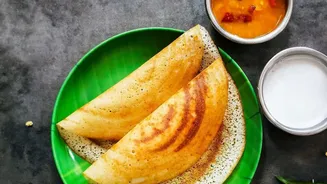
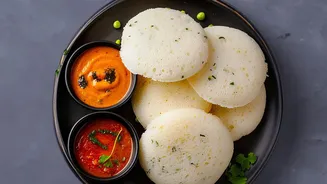
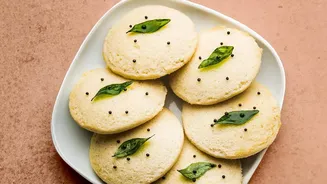
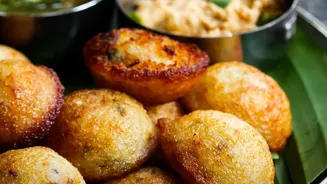
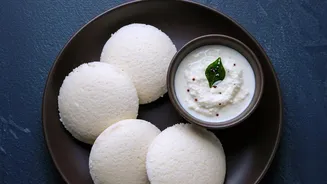
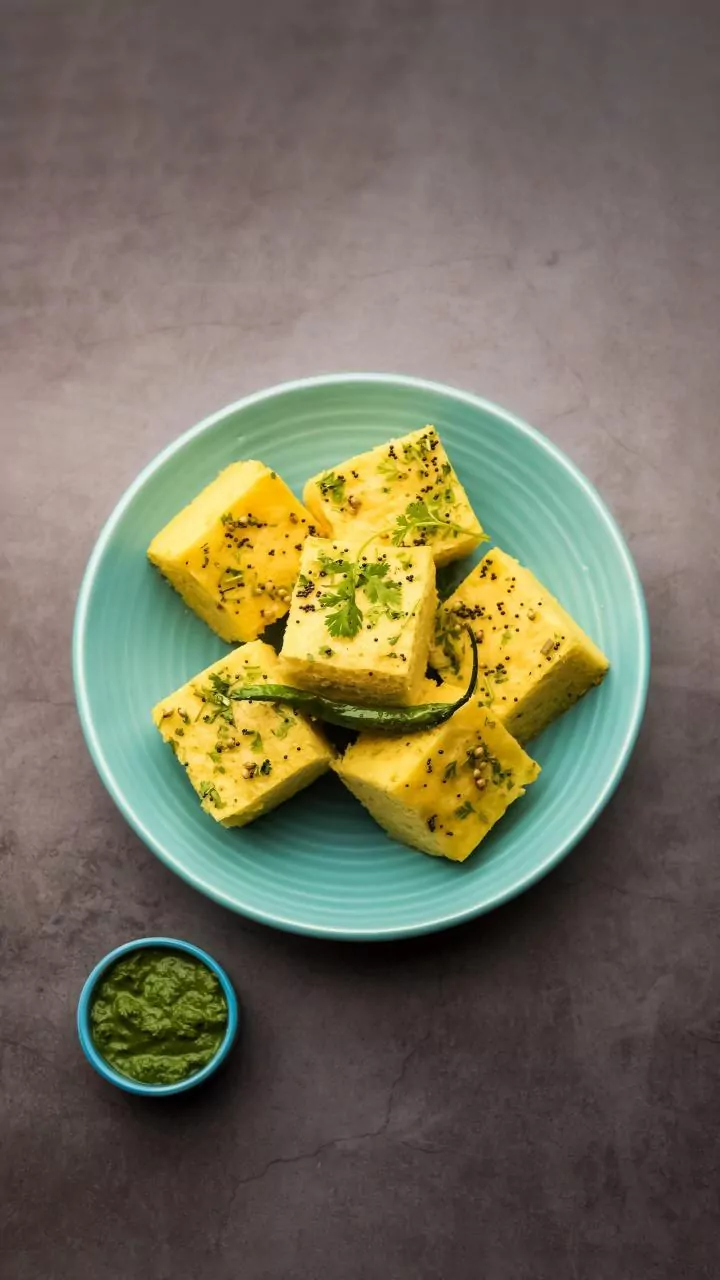
At its heart, fermentation is a natural process where microorganisms like bacteria and yeast break down complex substances into simpler ones. In the case of idli and dosa, a batter of ground rice and urad dal (black gram) is left to sit for several hours.
During this time, naturally occurring microbes get to work. Primarily, lactic acid bacteria (LAB), such as Lactobacillus and Leuconostoc, which live on the surface of the dal, begin to multiply. These microbes feed on the carbohydrates in the batter, producing lactic acid and carbon dioxide gas. The gas causes the batter to rise, creating the light, airy texture we love, while the lactic acid gives it a characteristic tangy flavour and acts as a natural preservative.
A Natural Probiotic Boost for Your Gut
The bacteria that flourish during fermentation are probiotics—live microorganisms that are beneficial for our digestive system. When we consume foods made from this fermented batter, we introduce these 'good bacteria' into our gut. They help to restore a healthy balance in our gut microbiome, the community of trillions of microbes living in our digestive tract. A balanced microbiome is essential for smooth digestion, helping to reduce common issues like bloating and constipation. It’s important to note that while the raw batter is rich in live probiotics, the high heat of steaming or cooking kills most of these bacteria. However, the benefits of the fermentation process remain, and the resulting food acts as a prebiotic, providing fibre that feeds the existing good bacteria in your gut.
Unlocking Essential Nutrients
One of the most significant benefits of fermentation lies in its ability to increase nutrient bioavailability—meaning, it helps our bodies absorb more nutrients from the food we eat. Grains and lentils contain compounds known as 'anti-nutrients,' like phytic acid, which can bind to minerals and block their absorption. The fermentation process activates enzymes called phytase, which break down phytic acid. This breakdown 'unlocks' essential minerals like iron, zinc, and calcium, making them much more available for our bodies to use. Studies have shown this can significantly increase the amount of absorbable iron and zinc from the batter. Furthermore, the fermentation process synthesises B-vitamins, including B12, folic acid, and thiamine, enhancing the overall nutritional profile of the food.
Making Digestion Easier for Everyone
The work done by the microbes during fermentation essentially 'pre-digests' the food for us. The bacteria break down complex carbohydrates and proteins into simpler, smaller molecules that our bodies can process with less effort. This is why idli and dosa are often considered light and easy on the stomach, making them an excellent food choice for people with sensitive digestion, during illness, or for young children. The reduction in complex starches also results in a lower glycemic index, meaning these foods are digested more slowly and are less likely to cause rapid spikes in blood sugar.