





An Unblinking Eye in a Fixed Spot
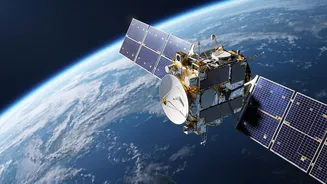
Most earth observation satellites are in Low Earth Orbit (LEO), circling the globe multiple times a day. They get detailed pictures, but can only see a specific location for a few minutes before moving on. A geostationary satellite is different. It is placed
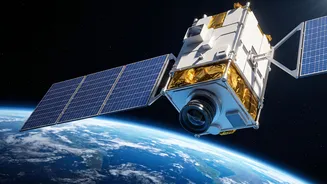
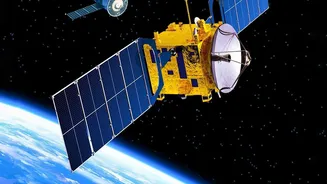
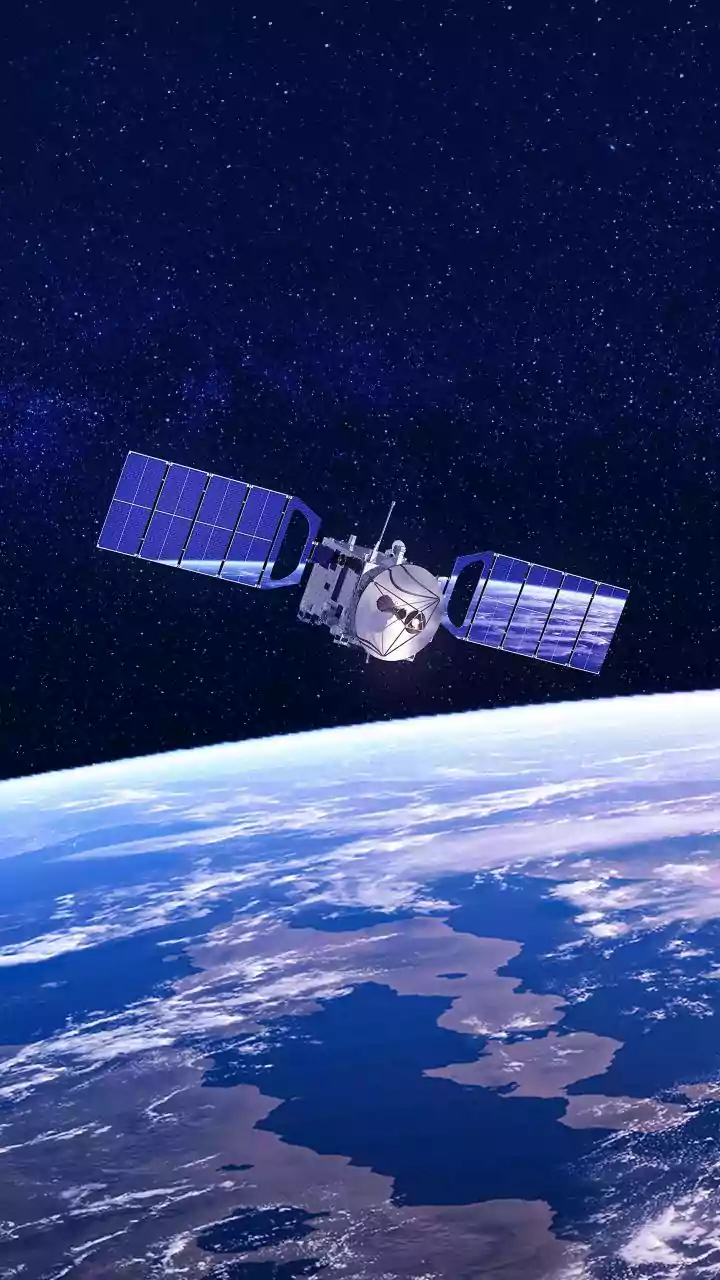
in a very high orbit, approximately 36,000 kilometres above the equator. At this specific altitude, its orbital speed perfectly matches the Earth's rotation. To an observer on the ground, the satellite appears to hang motionless in the same spot in the sky. This unique characteristic is a game-changer for continuous monitoring, transforming satellite observation from a series of snapshots into a live video feed.
Why Continuous Monitoring Matters
The ability to watch a large area without interruption is immensely valuable. For national security, it means being able to monitor borders and strategic locations for any unusual activity in near real-time. For disaster management, the benefits are even more direct. Instead of getting updates on a cyclone's path every few hours, a geostationary satellite can provide data every few minutes, tracking its intensification and trajectory with far greater accuracy. This constant stream of information can help authorities issue timely warnings for floods, forest fires, and other natural calamities, saving lives and property. The GISAT series was designed to provide images of the entire Indian landmass every half-hour and of a select area every five minutes.
The Setback of GISAT-1
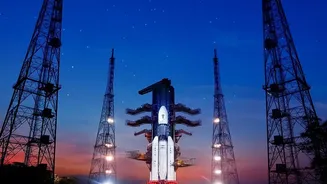
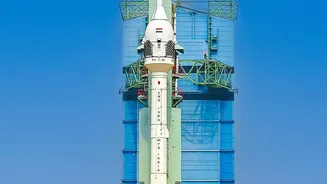
The mission to place this capability in orbit, known as GISAT-1 (also called EOS-03), faced a major hurdle. On August 12, 2021, the GSLV rocket carrying the satellite lifted off as planned. However, the rocket's cryogenic upper stage, which was meant to perform the final burn to place the satellite into its transfer orbit, failed to ignite. A failure analysis later revealed that a leak in a valve caused a loss of pressure in the liquid hydrogen fuel tank, leading to the mission being aborted automatically just over five minutes into the flight. The satellite was lost, leaving a temporary gap in India's ambition for a persistent eye in geostationary orbit.
The Dream Endures with GISAT-1A
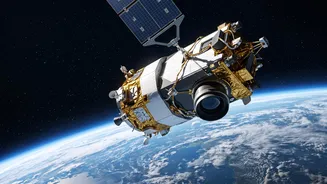
Despite the 2021 failure, the Indian Space Research Organisation (ISRO) has not abandoned this critical strategic goal. The agency has worked to rectify the issues with the GSLV launch vehicle and is preparing for a return to flight with a replacement satellite. Recent reports in August 2026 indicate that this new satellite, named GISAT-1A (or EOS-05), is being readied for a launch in early September 2026. This mission carries the weight of past experience and represents a determined effort to secure the capability that was lost. Successfully placing GISAT-1A in orbit would not only restore confidence in the GSLV rocket but also finally provide India with its long-awaited, dedicated eye in the sky.
A Growing Strategic Necessity
Beyond civilian uses like disaster management and monitoring agriculture, this technology is a strategic imperative. Having a sovereign, continuous observation capability reduces reliance on foreign entities for critical intelligence. Future satellites in this series, like the planned GISAT-2, are expected to serve dedicated strategic purposes for the Indian Navy, enhancing surveillance over the vast Indian Ocean Region. As weather patterns become more extreme and geopolitical dynamics remain complex, the ability to watch, understand, and react in near real-time from a fixed point 36,000 km away is no longer a luxury—it is a cornerstone of modern national capability.