



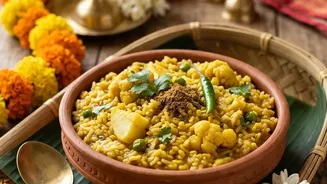


Sabudana Khichdi (Maharashtra & Central India)
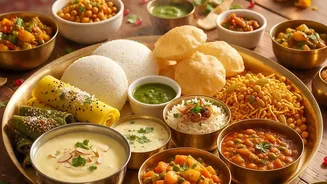
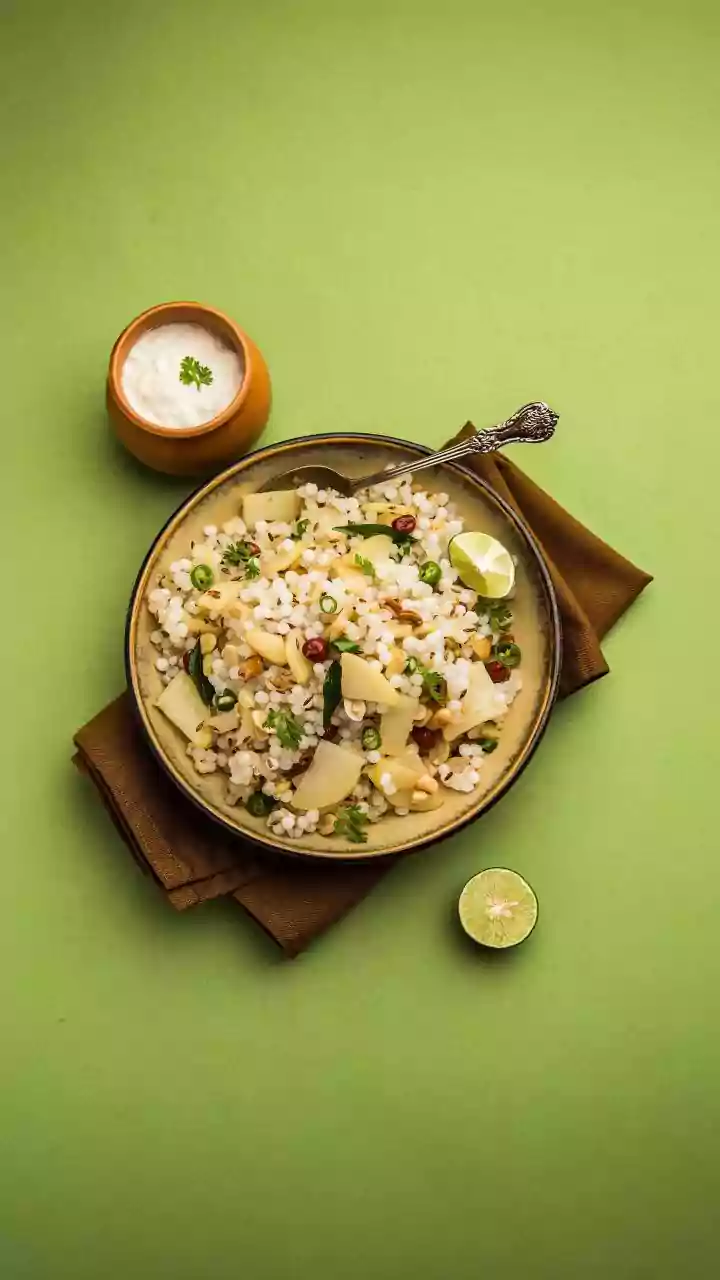
Arguably the most iconic Navratri fast dish, Sabudana Khichdi is a staple, particularly popular in Maharashtra, Gujarat, and Madhya Pradesh. Made from soaked tapioca pearls (sago), it’s a light yet energy-packed meal. The magic lies in the texture: perfectly
cooked pearls become translucent and delightfully chewy, not sticky. The dish is typically sautéed in ghee with cumin seeds, green chillies, and curry leaves, then tossed with roasted peanuts for a satisfying crunch and boiled potato cubes for substance. A final squeeze of lemon juice adds a bright, tangy finish that cuts through the richness, making it a perfectly balanced and comforting meal that many look forward to all year.
Kuttu ki Puri (North India)
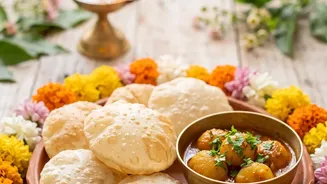
In the northern states like Uttar Pradesh, Punjab, and Delhi, Navratri fasting is almost synonymous with Kuttu ki Puri. Made from buckwheat flour (kuttu ka atta), this deep-fried bread has a distinct dark colour and a unique nutty, earthy flavour. Since buckwheat flour is gluten-free, the dough can be tricky to handle. Often, boiled and mashed potatoes or arbi (colocasia root) are mixed in to help bind it, resulting in a puri that is crispy on the outside and soft inside. These puris are most often served hot alongside a simple, tangy potato curry made with tomatoes and seasoned with rock salt (sendha namak), creating a classic 'vrat' combination that is both hearty and delicious.
Singhare ke Atte ka Halwa (North India)
For those with a sweet tooth, Singhare ke Atte ka Halwa is a beloved fasting dessert. Made from water chestnut flour (singhare ka atta), this rich halwa is a powerhouse of comfort. The flour is first roasted in a generous amount of ghee until it turns golden brown and releases a wonderfully aromatic scent. Hot water and sugar are then added, and the mixture is cooked until it thickens into a dense, glossy, and slightly crumbly pudding. Flavoured with green cardamom powder and garnished with slivered almonds or cashews, this halwa is a warm, indulgent treat that provides a welcome burst of energy during the fast.
Samak Chawal Pulao (Various Regions)
When rice is off the menu, Samak Chawal, or barnyard millet, steps in as the perfect substitute. It is not a true rice but a type of gluten-free millet that cooks up into a light, fluffy grain, making it ideal for fasting. The Vrat ka Pulao is a simple one-pot meal where the millet is cooked with gentle spices like cumin, black pepper, and cloves. Vegetables permitted during fasting, such as potatoes and carrots, are often added along with peanuts or cashews for texture. This wholesome dish is incredibly versatile and can be enjoyed on its own or served with a side of plain yogurt or a simple potato curry, making it a staple across many households.
Makhana Kheer (Bihar & North India)
A lighter, healthier alternative to traditional rice-based kheer, Makhana Kheer is a creamy dessert made from fox nuts (phool makhana). Popular in Bihar and other parts of North India, this kheer is both delicious and nutritious. The makhana are first lightly roasted in ghee until they become crisp, which prevents them from becoming soggy in the milk. They are then simmered in milk, which is sweetened with sugar and flavoured with cardamom and saffron. Some recipes involve crushing a portion of the roasted makhana to thicken the kheer naturally. Garnished with nuts, this dessert is a royally comforting and guilt-free indulgence during the festival.
Sundal (South India)
In Southern states like Tamil Nadu and Karnataka, the Navratri celebration (or 'Golu') has its own distinct culinary traditions. Instead of a strict grain-free fast, the focus is on Sattvic eating. One of the most important daily offerings is Sundal, a simple and protein-rich dish made from legumes. Each day of the festival might feature a different legume, such as chickpeas, black-eyed peas, or peanuts. The cooked legumes are tempered in a little oil with mustard seeds, curry leaves, and dried red chillies, and finished with a generous amount of grated fresh coconut. It's a savoury, healthy, and flavourful snack offered to guests who come to view the Golu displays.