




The Science Behind Greener Celebrations
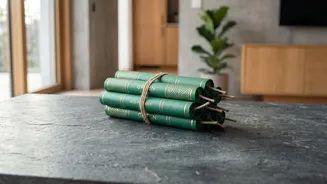
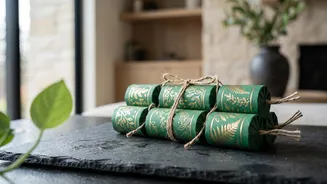
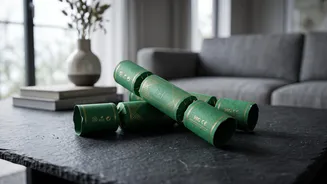
First things first, what makes a firecracker 'green'? These are not your traditional fireworks. Developed by the Council of Scientific and Industrial Research-National Environmental Engineering Research Institute (CSIR-NEERI), green crackers are scientifically
formulated to be less harmful. They reduce particulate matter emissions by at least 30-40% compared to conventional crackers. This is achieved by changing the chemical composition. Most significantly, green crackers are made without harmful chemicals banned by the Supreme Court, such as arsenic, mercury, and lead. The use of barium nitrate, a common substance in traditional fireworks that produces the bright green light, remains a contentious issue, with ongoing court reviews and tests to determine its impact. The core idea is to replace or reduce these toxic compounds with less polluting alternatives.
Meet the 'Green' Family: SWAS, SAFAL, and STAR
CSIR-NEERI has developed three main types of green crackers, and knowing them can help you make an informed choice. SWAS, which stands for 'Safe Water Releaser', releases water vapour as it burns, which helps suppress dust. It also avoids the use of sulphur. STAR, or 'Safe Thermite Cracker', produces less particulate matter and has reduced sound intensity. The third type, SAFAL ('Safe Minimal Aluminium'), uses minimal aluminium, which significantly lowers the noise level compared to traditional crackers. Each of these is designed to offer the festive experience of light and sound but with a much smaller environmental footprint.
How to Spot a Genuine Green Cracker
With many fake products in the market, identifying an authentic green cracker is crucial. It’s easier than you might think. Every box of genuine green crackers must feature two key identifiers. First, look for the official green CSIR-NEERI logo printed on the packaging. Second, and most importantly, is the QR code. You can scan this code with your smartphone. A genuine QR code will lead you to a page confirming the product's details, manufacturing license, and its certification as a green cracker. If a code is missing, doesn't scan, or leads to an unrelated page, it's a major red flag. Always buy from licensed sellers and avoid loose crackers sold without original packaging.
The Rules: Timing, Bans, and Local Variations
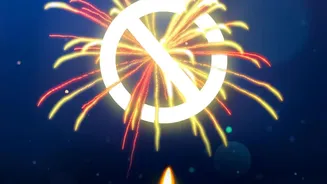
The Supreme Court has consistently ruled against a complete, nationwide blanket ban but has also refused to allow unrestricted use. As a general rule, a specific time window, typically from 8 PM to 10 PM on Diwali night, is permitted for bursting crackers. However, these rules are not uniform across the country. State governments and even city administrations can and do issue their own guidelines, which may be stricter. Some states or cities, particularly those with poor air quality like the Delhi-NCR region, may impose a complete ban on the sale and use of all firecrackers, including green ones. Series or 'ladi' crackers were previously banned, but recent rulings have allowed for new-generation green 'ladi' crackers that meet strict emission and noise norms. Always check the latest orders from your local authorities before making any purchases.
Why All These Regulations Exist
The push for green crackers is a direct response to the public health crisis triggered by air pollution every festive season. For years, post-Diwali mornings in many Indian cities have been marked by thick, toxic smog, with air quality indices reaching 'severe' and 'hazardous' levels. This spike in pollution has severe health consequences, disproportionately affecting children, the elderly, and individuals with respiratory conditions like asthma. The banned chemicals in traditional fireworks, such as lead, mercury, and arsenic, are known to cause long-term health damage. The regulations, therefore, aim to strike a balance: preserving the cultural tradition of celebrating with fireworks while mitigating their dangerous impact on public health and the environment.