






The Science of a Muscle Cramp
That sudden, involuntary, and often excruciating muscle contraction is what experts call an exercise-associated muscle cramp (EAMC). For a long time, dehydration and the loss of electrolytes through sweat were pinpointed as the primary culprits. When
you sweat, you don't just lose water; you lose crucial minerals that your body needs to function correctly. Electrolytes are essential minerals like sodium, potassium, calcium, and magnesium that help regulate everything from nerve signals to muscle contractions. An imbalance, particularly during strenuous physical activity, can disrupt these signals and lead to cramps.
Coconut Water's Natural Advantage
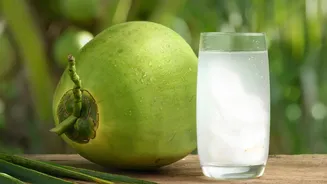
Coconut water has surged in popularity as a natural alternative to sugary sports drinks. It is the clear liquid found inside young, green coconuts and is prized for its hydrating properties. Its main claim to fame in the fitness world is its high potassium content. A single cup of unsweetened coconut water can contain around 500mg of potassium, an electrolyte that plays a key role in muscle function and fluid balance. While many people don't get enough potassium in their daily diet, coconut water offers a natural boost. It also contains other electrolytes like magnesium and calcium, along with natural sugars that provide a quick source of energy.
Why You Need to Add Salt
Here's the crucial part of the puzzle. While coconut water is rich in potassium, it is naturally low in sodium. When you exercise and sweat heavily, sodium is the main electrolyte you lose. Sodium is vital for maintaining fluid balance in the body, helping your cells retain water and aiding muscle contraction. Drinking large amounts of a low-sodium fluid like plain water or even coconut water alone during intense exercise can sometimes dilute the sodium levels in your blood, a potentially risky situation. By adding a simple pinch of salt (sodium chloride), you are re-introducing the most critical electrolyte lost in sweat, creating a more balanced and effective hydration solution.
A Natural, Balanced Electrolyte Drink
By combining the potassium-rich profile of coconut water with the sodium from salt, you essentially create a DIY natural sports drink. This blend addresses two of the most significant electrolyte losses from sweat, offering a one-two punch for hydration and muscle function. The potassium in coconut water works in tandem with sodium to regulate fluid balance and support proper nerve and muscle communication. This synergy is what makes the combination so appealing to athletes looking for a clean, effective way to hydrate before a demanding workout. This simple mix helps ensure your body has the key minerals it needs to perform optimally and potentially ward off those dreaded cramps.
How Does It Compare to Sports Drinks?
Commercial sports drinks are scientifically formulated to replace fluids, electrolytes, and carbohydrates lost during exercise. Several studies have found that for rehydration, coconut water is often just as effective as water and traditional sports drinks, particularly for moderate exercise. The main advantage of the salt-infused coconut water mix is its natural origin, free from the artificial colours, flavours, and high-fructose corn syrup found in many commercial options. However, the electrolyte concentration in a homemade mix can be inconsistent. While it's a great option for the average gym-goer, elite athletes in endurance events might still prefer a precisely formulated sports drink to meet their specific, high-level needs.
How to Try It Safely
If you want to try this pre-workout drink, the method is simple. Start with a glass (about 250-300ml) of unsweetened, natural coconut water. Add a small pinch of sea salt or Himalayan pink salt—about 1/8 to 1/4 of a teaspoon is plenty. Stir until it dissolves and drink it about 30-60 minutes before your workout. It's important not to overdo the salt; a small amount is all that's needed to replenish what's lost in a typical workout session. Always opt for unsweetened coconut water to avoid unnecessary added sugars.