





What is the Hidden Lotus Pose?
The Hidden Lotus Pose, known in Sanskrit as Gupta Padmasana, is an advanced yoga asana. It begins in the full Lotus Pose (Padmasana), where each foot is placed on the opposite thigh. From there, the practitioner leans forward, coming to rest on their
knees, and then lowers their entire torso to the floor, often binding the hands behind the back. Shilpa Shetty recently shared a video of herself moving into the posture, highlighting its benefits for hip mobility and posture. The pose gets its name because the legs, locked in Lotus, are 'hidden' beneath the body. It requires an immense degree of flexibility not just in the hips, but also in the knees, ankles, and shoulders.
The Real Risks for Beginners
Forcing your body into a pose it isn’t ready for is a recipe for injury, and the Hidden Lotus is particularly high-risk for those without the proper conditioning. The primary danger lies in the knees. The deep external rotation required for Padmasana must come from the hip joints. If your hips are tight, which is common for people who sit for long periods, the rotational force gets transferred to the knee joint, which is a simple hinge joint not designed for twisting. This can lead to serious ligament sprains or tears. Furthermore, the ankles are placed in a vulnerable, fully flexed position, and the forward fold can strain the lower back if not executed with a strong, stable core. Shilpa herself cautioned practitioners to avoid the pose if they have any pain or injury in the hips, knees, or shoulders.
Yoga is a Journey, Not a Race
The desire to replicate an advanced pose seen on social media can be strong, but the core principle of yoga is 'ahimsa', or non-harm. Pushing through sharp pain is counterproductive to the practice. Experts emphasize that advanced postures are not suitable for beginners and should only be attempted after years of consistent practice and building foundational strength and flexibility. A yoga-related injury can set your progress back significantly. Studies have shown a rise in yoga injuries, often linked to practitioners attempting poses beyond their current capabilities without proper guidance. True progress in yoga isn't measured by how many complex poses you can do, but by the awareness and respect you cultivate for your body's unique limits and abilities.
Build Your Foundation First: Safe Alternatives
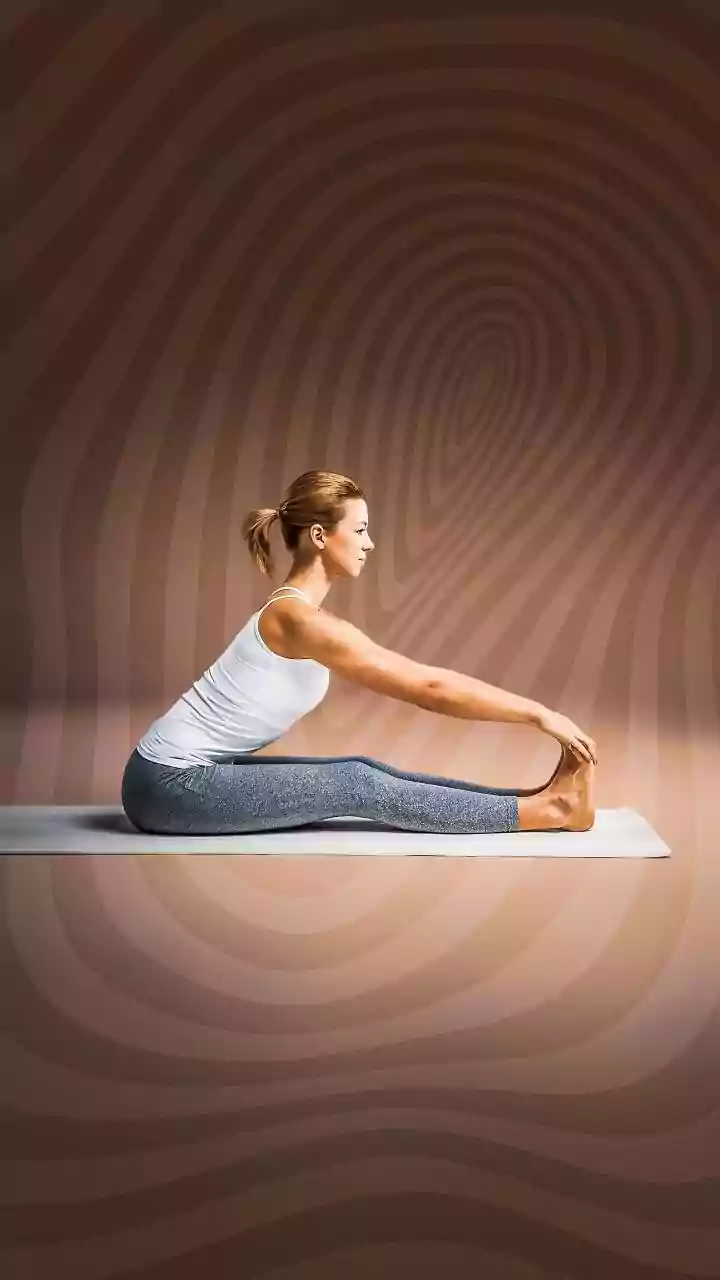
Instead of attempting the Hidden Lotus, beginners should focus on preparatory poses that safely build hip mobility. The journey to Padmasana is a marathon, not a sprint. Consistently practicing foundational hip-openers is the safest and most effective way to progress. Some of the best preparatory poses include: Baddha Konasana (Bound Angle or Butterfly Pose), which directly targets the inner thighs and encourages external hip rotation. Janu Sirsasana (Head-to-Knee Pose) helps to lengthen the hamstrings and open the hips one side at a time. Ardha Padmasana (Half Lotus Pose) is the most direct stepping stone, allowing you to work on the deep rotation in one hip at a time without the intensity of the full pose. Fire Log Pose (Agnistambhasana) is another powerful hip opener that mimics the stacked-shin position of Lotus. By working on these poses, you gradually and safely create the conditions for more advanced postures in the future.