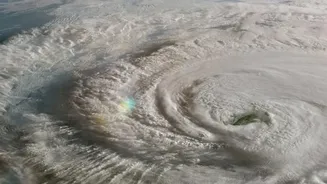








Very Severe Cyclonic Storm Arnab has made landfall on India's eastern coast, bringing intense winds and heavy rainfall. As authorities manage the situation in alerted states, preparedness is key to ensuring the safety of you and your family.
The Situation: States on High Alert
Cyclone Arnab
crossed the Andhra Pradesh and Yanam coasts on the morning of October 28 as a very severe cyclonic storm, with wind speeds of 125-135 km/h, gusting up to 150 km/h. The India Meteorological Department (IMD) has confirmed the landfall process is complete, though the system will continue to bring heavy rain as it moves inland and gradually weakens. Alerts for heavy rain and strong winds have been issued for coastal Andhra Pradesh, Odisha, West Bengal, and Jharkhand. Tens of thousands of people have been evacuated from vulnerable coastal areas in Andhra Pradesh and Odisha. Rail services have been cancelled or suspended, and schools in several districts are closed as a precaution.
Before the Cyclone: Essential Preparations
If you are in an area under alert, your first step is to stay informed. Listen to official updates from the IMD and the National Disaster Management Authority (NDMA) through radio, television, and official social media channels. Secure your home by repairing any loose tiles, doors, or windows. Board up glass windows or apply paper strips to prevent shattering. Bring any loose objects from outside—like garbage cans, garden furniture, or signboards—indoors, as they can become dangerous projectiles in high winds. Prepare an emergency kit and ensure all family members know where it is. If you live in a low-lying or coastal area, identify your nearest official cyclone shelter and the safest route to get there.
Your Emergency Kit Checklist
A well-stocked emergency kit is crucial for weathering the storm and its immediate aftermath. Your kit should contain essentials to last for several days. Include torches and plenty of spare batteries, as power outages are likely. Keep a battery-operated radio to listen for official updates. Stock up on non-perishable food that requires little or no cooking, and store an adequate supply of clean drinking water in covered containers. Your first-aid kit should be fully stocked with bandages, antiseptics, and any prescription medications your family members need. Finally, make sure your mobile phones and power banks are fully charged to stay connected.
During the Cyclone: Stay Indoors, Stay Safe
Once the cyclone arrives, the single most important rule is to stay inside. Do not go out, even if there is a temporary lull in the storm; this could be the cyclone's eye passing over, and violent winds will return suddenly from the opposite direction. Switch off your home's main electrical supply and gas connection to prevent short circuits or leaks. Stay in the strongest part of your house, away from windows and doors. If your house is damaged, shelter under a strong piece of furniture like a table. Avoid spreading rumours and only trust information from official sources.
After the Storm: Proceed with Extreme Caution
The danger is not over once the wind and rain subside. Do not leave your shelter until authorities have officially declared it is safe to do so. When you do go out, be extremely cautious. Watch out for fallen power lines, which can cause electrocution, as well as damaged buildings, uprooted trees, and blocked roads. Avoid floodwaters, as they can be contaminated and may hide dangers. Drink only boiled or purified water until you are sure the regular water supply is safe. Check your home for structural damage before re-entering, and if you use a generator, operate it only outdoors. Report any losses or missing persons to the authorities and offer help to your neighbours if you can.