
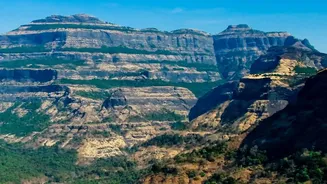


The Post-Monsoon Promise
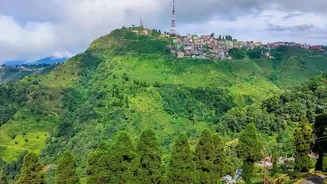
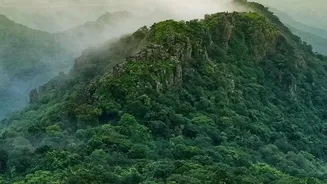
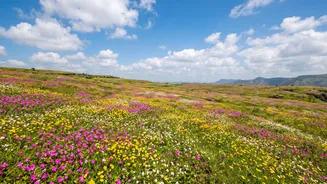
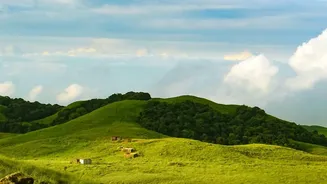
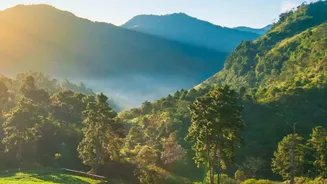
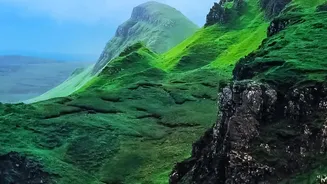
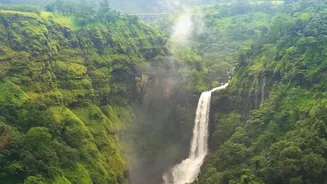
September and October are transformative months in the Sahyadris. The intense fury of the monsoon subsides, but its gift remains. The landscape is saturated with life, draped in countless shades of green and decorated with waterfalls that still carry
the memory of heavy rains. The air is crisp, the climate is refreshingly cool, and the notorious peak-season crowds have yet to arrive. This brief, perfect window is when the journey to Mahabaleshwar becomes as breathtaking as the destination itself. The roads, slick and sometimes challenging, are also at their most scenic, winding through valleys and forests that feel alive and renewed.
The Classic Ascent: Ambenali Ghat
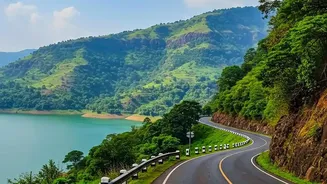
For the driving purist, the Ambenali Ghat is a legendary route. Connecting Poladpur on the Konkan side to Mahabaleshwar, this 40-kilometre stretch is a masterpiece of mountain road engineering, famous for its 40-plus hairpin bends and dramatic elevation gain. This is not a drive to be rushed. Post-monsoon, the sides of the road are often lined with impromptu waterfalls cascading down black rock faces. The drive demands concentration, with narrow sections and the occasional sign of road repairs, but the rewards are immense. Every turn reveals a new vista of the lush valleys below. Historically significant, this pass was used by Chhatrapati Shivaji Maharaj, adding a layer of heritage to the thrilling drive.
The Smooth Approach: Pasarni Ghat
If you're travelling from Pune or Mumbai via the NH48, your most likely final ascent will be via the Pasarni Ghat. After turning off the highway at Surur, you pass through the temple town of Wai before the climb begins. The Pasarni Ghat is generally wider and less intimidating than Ambenali, making it a popular and smoother choice for many travellers. The approximately 17-kilometre ghat road winds its way up to Panchgani, Mahabaleshwar’s sister hill station. The views are just as stunning, offering panoramic sights of the Krishna river valley and the unique flat-topped mountains of the region. This route allows for easy stopovers in both Wai and Panchgani before you reach your final destination.
The Highway Ghat: Khambatki Ghat
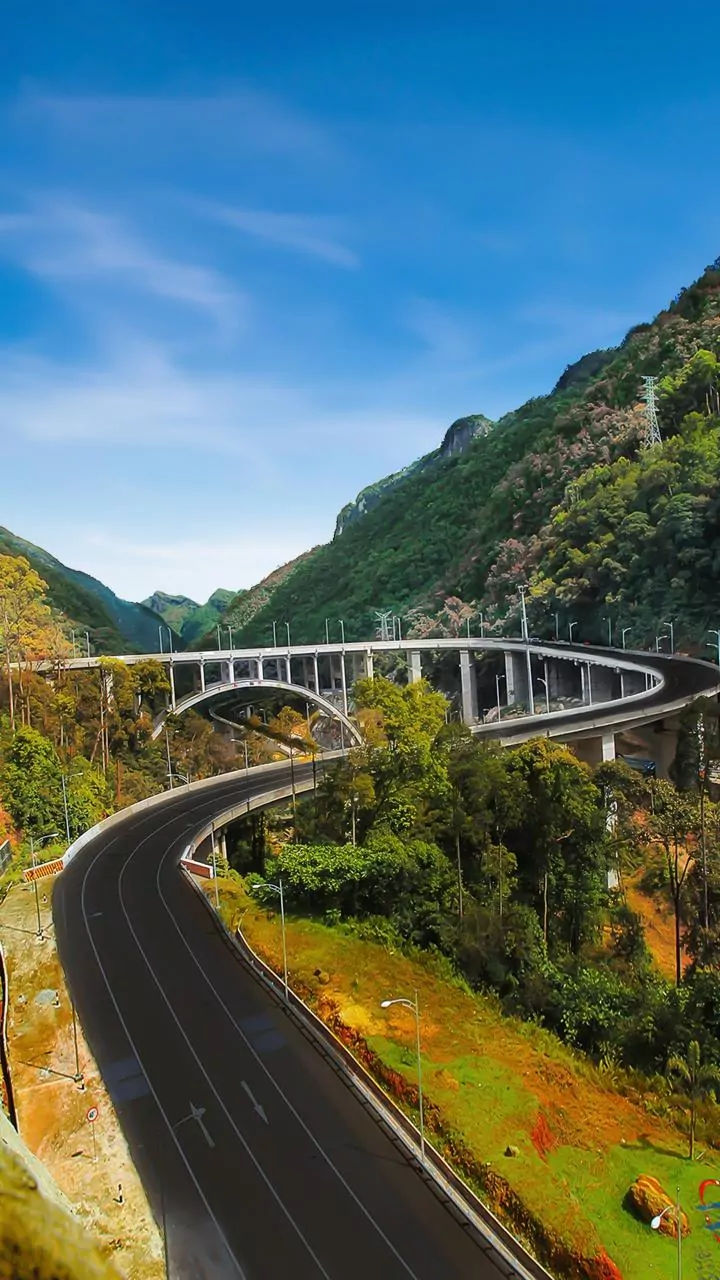
While not a direct route to Mahabaleshwar, anyone driving from Pune will experience the Khambatki Ghat on the NH48 before the Wai turn-off. This pass is a marvel of modern infrastructure, with a one-way tunnel for traffic heading towards Satara, which makes the journey smoother and safer. The old, winding road is used for the descent towards Pune. The drive through this ghat, especially post-monsoon, is beautiful, with picturesque mountain-scapes and pleasant weather. It serves as the perfect curtain-raiser for the more intimate and challenging ghat roads that lie ahead on your journey up to the Mahabaleshwar plateau.
Essential Tips for Your Ghat Drive
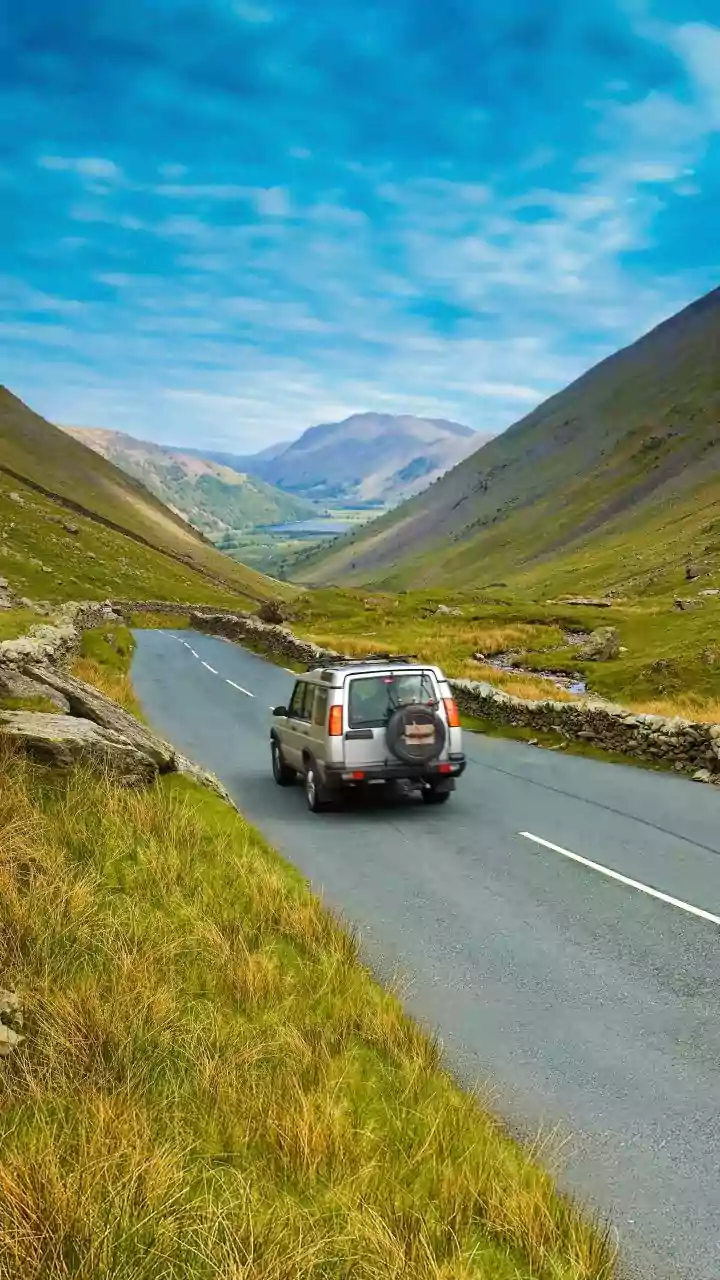
Driving in the ghats post-monsoon requires a measure of caution. Always check your vehicle's tyres, brakes, and wipers before you start. Start early to make the most of daylight and avoid the afternoon haze. On the narrow and winding sections, it’s crucial to use your horn on blind curves and give way to uphill traffic. Be prepared for slow-moving local traffic and be patient when overtaking. While the roads are stunning, they can also be unpredictable; watch for slippery patches or small debris on the road. Most importantly, allow yourself plenty of time. Stop at designated viewpoints, sip on a hot cup of chai, and truly soak in the magnificent scenery of the journey.