






The Golden Rule: Kids Come First
This is the most critical principle. Playgrounds are designed for and dedicated to children. If kids are present and want to use the equipment you're on, you must yield the space immediately and without complaint. An adult working out can be intimidating
or simply in the way of a child's play. To avoid conflict and ensure the space serves its primary purpose, plan your workouts for off-peak hours. Early mornings are often best, as afternoons and evenings are typically prime time for children and families. Thinking of it as being a guest in their space is the right mindset. You are there to supplement your fitness routine, not to take over their play area.
Check the Equipment and Your Limits
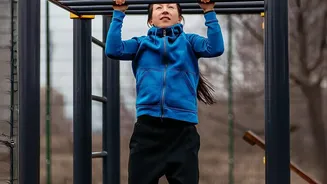
Before you start, take a moment to inspect the equipment. Playground structures are not always designed to handle adult bodyweight, especially during dynamic exercises like kipping pull-ups. Look for signs of wear, rust, or instability. A bar that wobbles or a structure that seems loose is a clear sign to find another spot. Your safety is paramount. Start with basic movements and understand that playground bars can be slippery, especially after rain or morning dew. Always warm up properly before starting, just as you would in a gym, with light cardio like jogging on the spot or dynamic stretches. Never attempt movements that are beyond your current fitness level or that put the equipment under undue stress.
Be a Good Park Citizen
Being a responsible user extends beyond just the equipment. Be mindful of your overall presence. This means no loud music on speakers; use headphones instead. It’s a shared community space, and your workout playlist could be disruptive to families or others seeking quiet enjoyment of the park. Similarly, be aware of the space you occupy. Don't spread your gear—water bottles, towels, bags—across a wide area. Keep your belongings consolidated to avoid creating a trip hazard or blocking pathways. If you're working out with a group, stay contained and conscious of not taking over large sections of the park or blocking walking paths for other users.
Distinguish Playgrounds from Fitness Parks
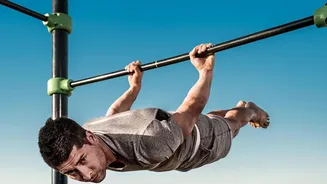
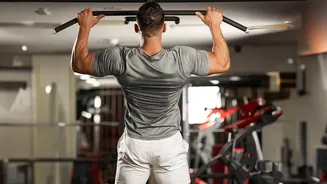
Many communities are now installing dedicated outdoor fitness parks, sometimes adjacent to children's playgrounds. These areas feature equipment specifically designed and load-rated for adult use, such as dip stations, leg press machines, and pull-up bars built for grown-ups. Familiarise yourself with your local parks to see if such a facility exists. Using equipment designed for adult fitness is always safer and more appropriate. If your park only has a children's playground, sticking to the most basic and stable structures, like simple pull-up bars or monkey bars, is a wiser choice than attempting exercises on swings or slides, which are definitely not built for adult loads.
Leave No Trace Behind
This is a simple but often overlooked rule of public space etiquette. When your workout is finished, pack up everything you brought with you. This includes any water bottles, towels, or personal items. Take a final look around to ensure you haven't left anything behind. The goal should be to leave the space exactly as you found it, if not cleaner. Wiping down a bar after use, especially if you're sweaty, is a courteous gesture, much like in a traditional gym. It shows respect for the next person who will use the equipment, whether it's another adult or a child. Being a responsible user helps ensure these public spaces remain welcoming for everyone.