




The Potent Pull of 'Fitspiration'
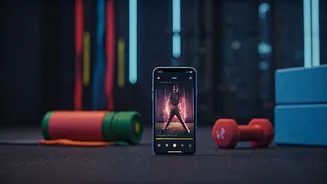
There’s a reason 'FitTok' and Instagram fitness content are so popular: they make exercise look accessible, exciting, and effective. [2] In 30 seconds, an energetic influencer can demonstrate a seemingly transformative workout, complete with upbeat music
and a compelling 'before and after' narrative. This content can be a powerful catalyst, pushing people to start their fitness journey. For many, seeing someone they admire makes fitness feel less intimidating than a traditional gym environment. [21] This digital-age 'fitspiration' has become a primary source of workout ideas for millions, offering a constant stream of new exercises and challenges to try. [2]
The Hidden Dangers of Speed and Style
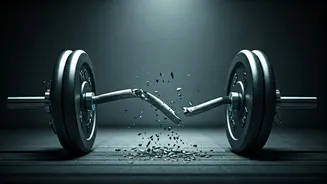
The problem is that the format prioritises aesthetics over education. Many influencers, often without formal credentials, showcase intense workouts with a “no pain, no gain” attitude that can be dangerous for beginners. [2, 8] Poorly executed movements, especially with weights, can lead to a host of injuries, from muscle strains in the lower back and shoulders to more serious issues like joint damage and tendonitis. [3, 10] Common exercises like squats and deadlifts, when performed incorrectly, place undue stress on the spine and knees. [13, 15] One study found that a majority of content from popular fitness influencers contained misleading or harmful information. [21] These short videos rarely have time to explain crucial details about posture, core engagement, or controlled movement. [12]
The Foundation: What Good Form Feels Like
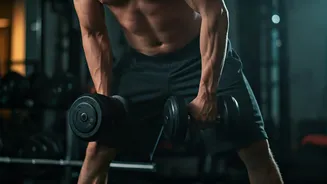
Proper technique is the cornerstone of any effective and safe workout routine. [15] It ensures you are targeting the correct muscles and not putting unnecessary stress on joints, ligaments, and tendons. [16, 19] Good form isn’t about looking perfect; it’s about moving efficiently and safely. Key principles include maintaining a neutral spine, especially during lifts like squats and deadlifts, to protect your back. [15] It also means controlling the movement through its full range of motion, rather than using momentum or jerky motions. [10] Prioritising form over the amount of weight lifted or the number of repetitions performed is the single most important shift you can make for long-term progress and injury prevention. [14, 22]
Your Smart-Scrolling Checklist
You don't have to give up on fitness Reels altogether. Instead, become a more critical consumer. Before you try a new exercise, vet the source. Does the influencer have recognised certifications (e.g., from ACE, ACSM, NSCA)? [4, 6] Look for trainers who openly discuss their credentials and explain the 'why' behind an exercise, not just the 'how'. [5] Be wary of anyone promising a quick fix or promoting a 'one-size-fits-all' approach. [4] Reputable coaches often share content that focuses on modifications for beginners, the importance of warm-ups, and how to master foundational movements. [20] A huge red flag is an influencer giving advice outside their area of expertise, such as a fitness trainer giving specific nutritional directives without being a registered dietitian. [6]
From Screen to Safe Practice
Use social media for what it's good at: inspiration. But when it's time to actually do the workout, slow down. Film yourself performing the exercise to check your form against the demonstration. [11] Even better, consider one or two sessions with a certified personal trainer who can provide personalised feedback on your technique. [18, 23] Think of it as an investment in your safety and a way to maximise the results from all your hard work. When you pair the motivation from a Reel with the knowledge of correct and safe technique, you create a powerful and sustainable path to your fitness goals. [11, 14]