





The Official End of the Rains
The monsoon doesn't just stop; it withdraws. This is a slow, staggered process that begins in the country's northwest and moves southeast over several weeks. According to the India Meteorological Department (IMD), the withdrawal process from the extreme
north-western parts of India is typically not attempted before the first week of September. For 2026, while satellite imagery shows significantly reduced cloud cover across northwest and central India, the formal withdrawal process is expected to commence after September 15. Weather models indicate that conditions will become increasingly favourable for the retreat during the second half of the month, with a 'monsoon withdrawal anticyclone' (a high-pressure region that suppresses rain) expected to strengthen over northwest India around September 21. This process is gradual, meaning that as Delhi experiences dry, post-monsoon weather, Kerala may still be receiving regular monsoon showers. The full withdrawal from the entire country, including the southern peninsula, often stretches into mid-October.
A Welcome Change in Weather
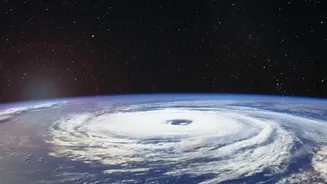
The most immediate and welcome change is the drop in humidity. The sticky, oppressive feeling that defines much of the monsoon season gives way to drier, more comfortable air. Days become sunnier and skies clearer, providing a much-needed dose of brightness after months of grey. This shift marks the transition to a milder season, often called the 'second summer' before winter sets in. The retreat of the moisture-laden winds brings increasingly dry conditions, especially across the northern and central plains. This doesn't mean the rain vanishes overnight. The withdrawal period can be punctuated by intense, localised thunderstorms as the atmosphere readjusts. Furthermore, the post-monsoon months of October and November are the primary season for cyclonic activity in the Bay of Bengal and the Arabian Sea, which can bring heavy rainfall to coastal states.
Your Post-Monsoon Travel Guide
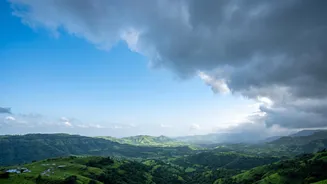
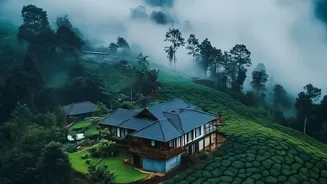
For travellers, the monsoon's retreat is a green light. The rain washes the landscape clean, leaving behind lush, vibrant scenery. Many national parks and wildlife sanctuaries that were closed during the monsoon reopen, offering prime opportunities for safaris. The post-monsoon period is ideal for visiting places that are now at their most beautiful. Hill stations like Lonavala and Khandala in Maharashtra are scenic, with waterfalls still flowing and misty valleys creating perfect conditions for hikes. In Rajasthan, cities like Udaipur glow after the rains, with their lakes full and the Aravalli hills cloaked in green. Further south, destinations like Hampi in Karnataka become more comfortable to explore, and the backwaters of Kerala are exceptionally lush and tranquil. With roads more accessible and fewer crowds than the peak winter season, September and October offer a sweet spot for travel across much of the country.
Winning the War on Laundry and Dampness
At home, the end of the monsoon signals victory in the daily battle against dampness. The simple pleasure of clothes drying quickly on a line under the sun returns. It's the perfect time to tackle the lingering effects of months of high humidity. Begin by airing out your entire home. Open windows and doors to let the fresh, dry air circulate and banish any musty smells. This is also the time to deep-clean wardrobes, shoe racks, and storage areas where mould and mildew may have taken hold during the damp weather. Wash and thoroughly dry all stored textiles, like heavy curtains, rugs, and blankets, that may have absorbed moisture. Check walls for any signs of damp patches or peeling paint and address them now before the cooler weather sets in. This seasonal reset helps refresh your living space and prepares it for the pleasant months ahead, free from the worries of fungal growth and perpetually damp clothes.