






The New 'Micro-Vacation' Mindset
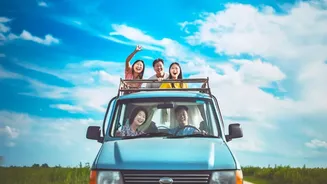
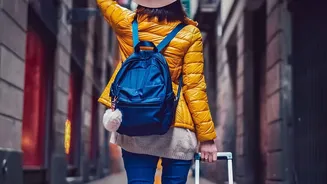
The travel playbook for young Indians is undergoing a significant rewrite. Instead of one long, meticulously planned vacation, the trend is shifting towards multiple 'micro-vacations'—short, experience-rich trips that last anywhere from two to four days.
Recent survey data highlights this transformation: a staggering seven out of ten Gen Z travellers in India now prefer taking three short trips over a single long holiday. Furthermore, 87% favour trips that are less than a week long. This isn't just a matter of preference; it's a fundamental change in how travel fits into modern life. These bite-sized adventures, from a quick mountain retreat to a weekend beach escape, are becoming the new standard for a generation that values frequency and flexibility.
Driven by Budgets and Busy Schedules
Two major factors are fuelling this trend: money and time. For many young people starting their careers or still in college, saving for a massive international holiday is a daunting task. Shorter trips are more affordable and easier to budget for, allowing for more travel throughout the year without a huge financial commitment. The modern work culture also plays a crucial role. With demanding jobs and the difficulty of securing long, uninterrupted leave, a two-week break can feel like a logistical nightmare. A long weekend getaway, however, offers a practical and accessible way to escape the routine, recharge, and explore without falling behind on work or studies.
Experience Over Extravagance
Gen Z travellers are part of the 'experience economy'. They prioritise what they do over where they stay, valuing unique and authentic activities more than five-star luxury. This generation is more likely to spend money on a local cooking class, a music festival, or discovering a hidden trail than on a lavish hotel room. Travel is increasingly seen as an act of self-expression. A recent Airbnb report noted that 95% of Gen Z travellers want their trips to feel personal and unique, not pre-packaged. This desire for authenticity even extends to 'supermarket tourism', where visiting local grocery stores to discover regional foods has become a legitimate travel activity.
The Social Media Effect
The influence of social media cannot be overlooked. Platforms like Instagram and TikTok are not just for sharing holiday pictures; they are primary sources of travel inspiration. A short, visually compelling video of a 48-hour city break can spark wanderlust far more effectively than a traditional travel brochure. These platforms have popularised the idea of 'micro-adventures', making quick trips seem thrilling and aspirational. The constant stream of new content also creates a subtle pressure to have new experiences to share, and frequent, short trips provide a steady supply of shareable moments. A trip is no longer just a trip; it's content, a story, and a reflection of personal taste.
Redefining Rest and Relaxation
Interestingly, this trend isn't just about cramming as much activity as possible into a short time. For many, these trips are about intentional rest. A survey found that two in three young travellers take trips with the explicit goal of 'doing nothing'—simply to rest, slow down, and disconnect. In a world of constant notifications and stress, travel is seen as a crucial tool for mental well being and a 'reset button'. Instead of a packed itinerary, the perfect weekend might involve lingering at a cafe, reading on a balcony, or exploring a neighbourhood without a plan. For this generation, the absence of a rigid plan is often the plan itself.