



The Problem with Too Many Baths
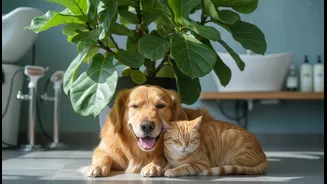
A pet's skin and coat have a natural, protective barrier of oils that repel dirt and maintain health. Over-bathing, especially with harsh shampoos, strips these essential oils, leading to dry, flaky, and itchy skin. This can disrupt the skin's pH balance
and weaken its defenses, making your pet more susceptible to irritation and even infections. While bathing frequency depends on breed, coat, and lifestyle, most dogs only need a full bath every one to three months. Cats, being meticulous self-groomers, often require even fewer baths.
Your Essential Rainy-Day Grooming Kit
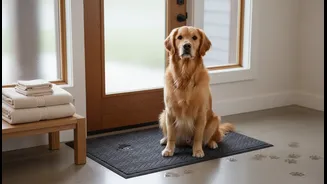
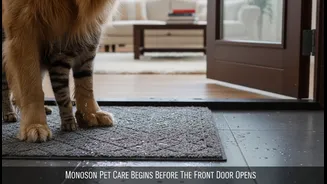
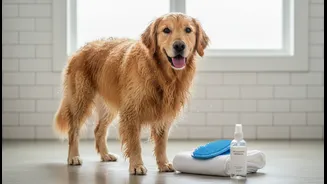
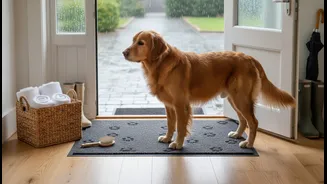
Being prepared is the key to a quick and stress-free cleanup. Before the rainy season hits, assemble a simple toolkit to keep by the door. You'll want a stack of highly absorbent microfiber towels, a pack of pet-specific grooming wipes (avoid human baby wipes, as their pH can irritate pet skin), a quality waterless shampoo or foam, and a brush suited to your pet’s coat type. Having these items ready means you can tackle dirt the moment your pet steps inside, preventing messes from spreading through the house.
Step 1: The All-Important Towel-Off
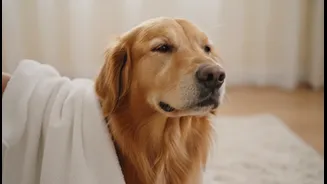
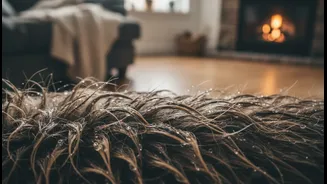
The first line of defense is a thorough drying. As soon as your pet comes indoors, use an absorbent towel to pat them dry. Avoid vigorous rubbing, which can cause tangles, especially in long-haired breeds. Focus on the paws, belly, underarms, and behind the ears, as these are areas where moisture tends to linger and can lead to unpleasant odors or skin issues. For pets with thick double coats, a pet-safe blow dryer on a low, cool setting can help ensure they are completely dry.
Step 2: Spot-Clean Paws and Underbelly
For muddy paws and splashes on the legs or belly, targeted cleaning is the way to go. Pet-friendly grooming wipes are perfect for this job, allowing you to clean specific areas without a full bath. For heavier mud, a paw washer—a small cup with soft silicone bristles—can be very effective. Simply fill it with lukewarm water, dip each paw, and let the bristles gently scrub away the dirt. Afterwards, be sure to dry the paws completely to prevent moisture from getting trapped between the pads, which can lead to irritation.
Step 3: Freshen Up with Waterless Shampoo
When a simple wipe-down isn't enough to tackle that 'wet dog' smell, a waterless shampoo is your best friend. These products come in spray, foam, or powder forms and are designed to clean and deodorize without needing a rinse. Simply apply the product to your pet’s coat, massage it in, and then towel it off or brush it through. It’s an excellent way to refresh their coat and leave them smelling clean between proper baths.
Step 4: Brush Out Lingering Dirt
Once your pet's coat is dry, a good brushing session can work wonders. Brushing helps to remove any remaining loose dirt, debris, and shedding fur that the towel might have missed. For caked-on mud, it's often best to let it dry completely first, as it becomes flaky and much easier to brush out. This final step not only gets your pet clean but also prevents their wet fur from developing painful mats or tangles.
Make Grooming a Positive Routine
Many pets are anxious about grooming, especially when it involves handling sensitive areas like their paws. Turn your rainy-day cleanup into a positive experience by remaining calm and patient. Use positive reinforcement, offering treats and praise for calm behavior. If you establish a consistent spot and routine for post-walk cleanups, your pet will learn what to expect, reducing their stress over time. Starting this practice when they are young can help them become comfortable with being handled.