


Master the Art of Layering
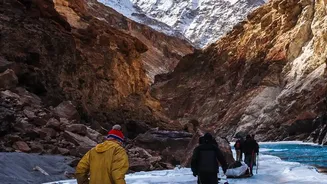
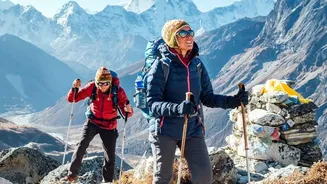
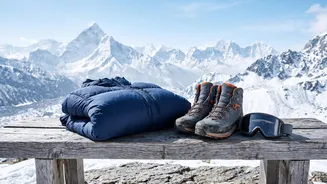
The single most important principle for staying warm is layering. This system allows you to adapt to changing temperatures and activity levels. Avoid heavy, bulky woollens and instead focus on three key layers. The base layer, worn against your skin,
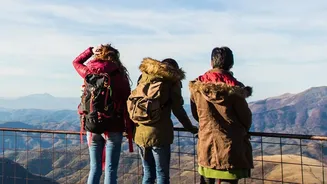
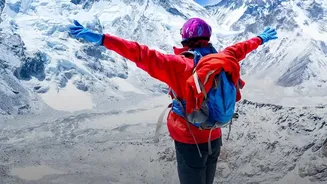
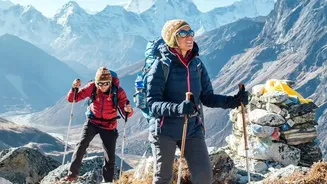
should be made of a moisture-wicking material like merino wool or a synthetic fabric. Its job is to pull sweat away from your body to keep you dry. Cotton is a poor choice as it traps moisture and makes you cold. The mid-layer provides insulation; a fleece jacket or a light down jacket works perfectly to trap body heat. Finally, the outer layer is your shield against the elements—a waterproof and windproof jacket is non-negotiable to protect you from snow, rain, and biting winds.
Sturdy and Reliable Footwear
Your feet are your foundation in the mountains, and keeping them warm and dry is critical. Invest in a pair of high-quality, waterproof trekking boots with good ankle support. This prevents twisted ankles on uneven, snowy terrain and ensures your feet stay dry. Break in your boots before the trip to avoid painful blisters. Equally important are your socks. Pack several pairs of woollen or synthetic trekking socks that cushion your feet and wick away moisture. Many trekkers also carry a spare pair of lightweight sandals or flip-flops to wear around your hotel or guesthouse in the evenings, giving your feet a much-needed break.
Protect Your Extremities
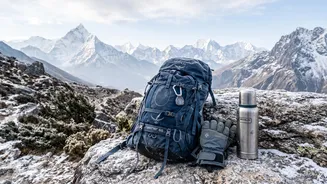
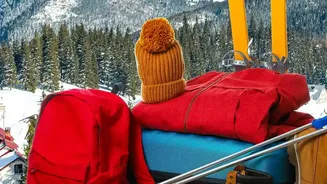
Your head, hands, and neck are major sources of heat loss, so protecting them is essential. A warm woollen cap or beanie is a must-have. For extremely cold and windy conditions, a balaclava offers full-face protection. Pack a pair of insulated, water-resistant gloves to keep your hands warm and dry. A neck gaiter or muffler can be pulled up over your face for extra warmth. Lastly, don't forget a pair of polarised, UV-protection sunglasses. The sun reflecting off snow can be intensely bright and harmful to your eyes, a condition known as snow blindness.
Health, Hygiene, and Skincare
The cold, dry, high-altitude air can be harsh on your body. Pack a basic first-aid kit with essentials like bandages, antiseptic wipes, pain relievers, and any personal medications. It's wise to consult a doctor about medication for Acute Mountain Sickness (AMS), such as acetazolamide, especially if you are ascending quickly to destinations like Ladakh or Spiti. The dry air will chap your skin and lips, so a good quality moisturiser, lip balm with SPF, and sunscreen are essential. Wet wipes are also invaluable for staying fresh when bathing facilities are limited or the water is too cold.
Essential Gear and Documents
A few extra items can make your trip significantly more comfortable. Cold temperatures drain batteries quickly, so a reliable power bank is crucial for keeping your phone and camera charged. Days are shorter in winter, making a headlamp or torch essential for navigating in the early morning or after sunset. While digital maps are useful, networks can be unreliable, so carrying a physical map is a good backup. Always carry your ID, permits, and enough cash, as ATMs can be scarce and often out of service in remote areas. It's best to have a sturdy, comfortable backpack with a rain cover to carry your day essentials.