




Why Winter is Prime Safari Season
The period from October to March is widely considered the best time for wildlife spotting in many of India's premier parks. The weather is comfortably cool, making the long hours in an open-top jeep a pleasant experience. After the rains, the forest is lush
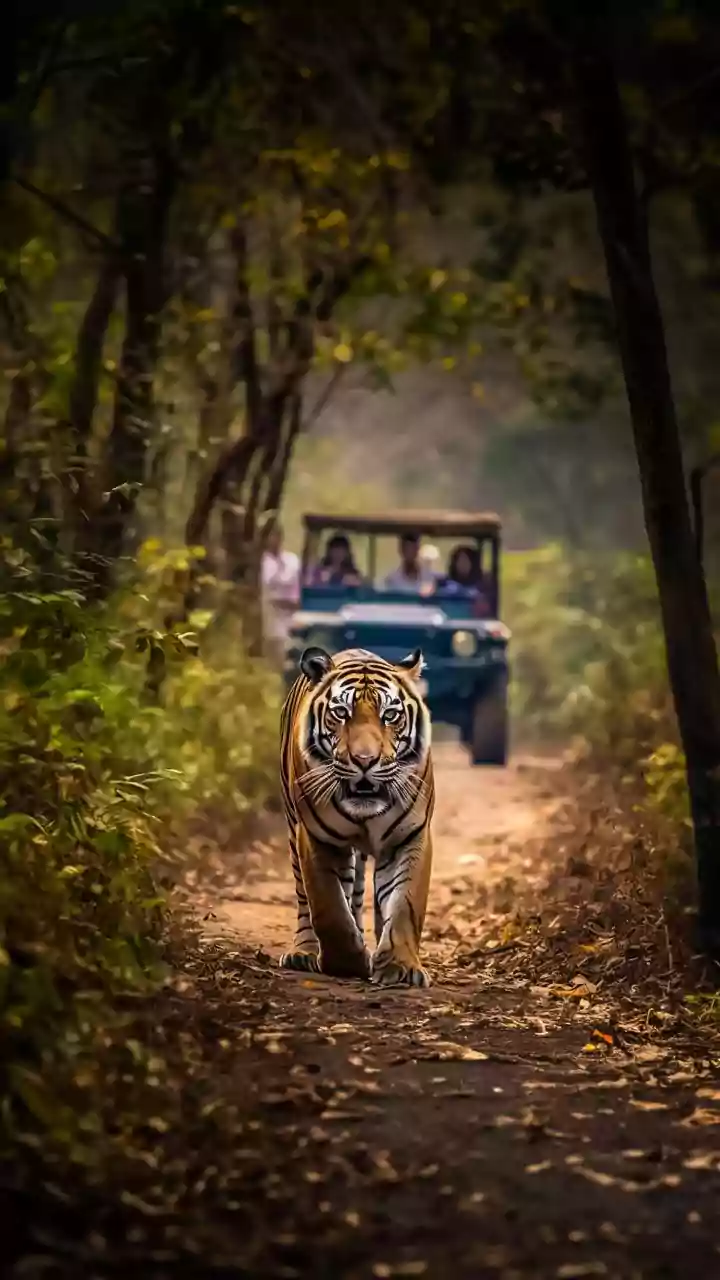
and rejuvenated, but as winter progresses, the vegetation thins, improving visibility. Most importantly, many animals, including the majestic Bengal tiger, are often seen basking in the gentle winter sun, increasing your chances of a memorable sighting. The season is also a delight for birdwatchers, as many migratory species arrive.
Corbett: The Himalayan Foothills Adventure
India's oldest national park, Jim Corbett in Uttarakhand, is a legendary destination for tiger tracking. While some zones remain open longer, the core Dhikala zone, famous for its dense sal forests and vast grasslands, reopens on November 15th, with others like Bijrani opening from mid-October. Winter here offers stunning landscapes and opportunities to see not just tigers, but also large herds of Asiatic elephants and a wide array of birdlife against a backdrop of misty mornings. Given its proximity to cities like Delhi, it's a popular choice for a quick weekend getaway.
Ranthambore: Where Tigers Roam Among Ruins
Ranthambore National Park in Rajasthan, which reopens for its main season on October 1st, offers a unique blend of wildlife and history. The park is famous for its tiger population that can often be spotted roaming around ancient forts and serene lakes. The backdrop of the UNESCO World Heritage Ranthambore Fort provides a dramatic setting for wildlife photography. Pleasant winter weather from October to March is ideal for exploring the park's rugged terrain. Seeing a tiger against the sun-drenched ruins is an experience that is hard to forget.
Kanha: The Real-Life 'Jungle Book'
Often cited as the inspiration for Rudyard Kipling's 'The Jungle Book', Kanha National Park in Madhya Pradesh is a vast expanse of sal and bamboo forests. The park, which typically reopens in October, is not only a prime tiger habitat but is also the only place you can see the rare hard-ground barasingha, or swamp deer. The cool winter months are perfect for exploring its different zones like Kisli, Mukki, and Sarhi, each offering a unique landscape and diverse fauna. The lush meadows are often filled with wildlife, making every safari drive an adventure.
Essential Safari Planning Tips
A great safari requires good planning. Most national parks have a limited number of safari vehicles allowed in each zone, so it's crucial to book your permits well in advance. Bookings can usually be made through official state forest department websites. Accommodation, from government forest rest houses to luxury lodges, also gets filled up quickly, especially during peak season and on long weekends. When on safari, always follow your guide's instructions. Maintain a safe distance from animals, keep noise to a minimum, and avoid using flash photography to ensure a safe and respectful experience for both you and the wildlife.
What to Pack for Your Trip
Dressing in layers is key. Morning safaris in winter can be surprisingly cold, so pack a warm jacket, scarf, and a beanie or cap. As the day warms up, you can shed layers for comfort. Opt for neutral-coloured clothing like beige, brown, or olive green to blend in with the surroundings and avoid disturbing the animals. Don't forget essentials like a good pair of binoculars for spotting distant animals, a camera with a zoom lens to capture the moments, sunscreen, and sunglasses. Sturdy, comfortable shoes are also a must.