



Why Coloring Leaves Hair Thirsty
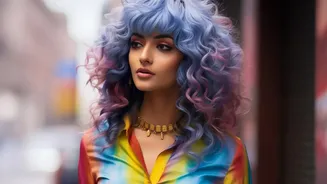
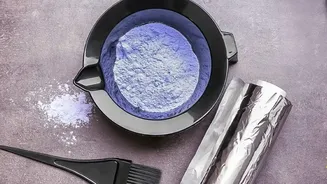
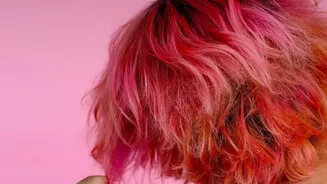
To get new pigment into your hair, the coloring process must lift the cuticle, which is the protective outer layer of each strand. Think of it like overlapping scales that normally lie flat. When these scales are raised, the hair becomes more porous.
This increased porosity means that while moisture can get in easily, it can also escape just as quickly, leading to that telltale rough, dry, and frizzy feeling. The chemicals in permanent color and lighteners also strip some of the hair’s natural protective oils, compounding the dryness. For those with already fine or curly hair, which can be naturally prone to dryness, this effect is often more noticeable.
Build a Moisture-Focused Wash Routine
The foundation of healthy colored hair starts with how you wash it. First, avoid washing your hair for at least 48 to 72 hours after your color appointment to allow the cuticle to settle and the color to set. When you do wash, opt for a sulfate-free shampoo. Sulfates are harsh detergents that create a rich lather but can also strip natural oils and fade your color faster. Look for gentle, color-safe formulas, ideally ones that mention hydration or repair. Wash your hair less frequently—two to three times a week is often recommended—to preserve both moisture and color vibrancy. And always use lukewarm or cool water, as hot water can open the cuticle further, allowing more color and moisture to escape.
The Power of Deep Conditioning
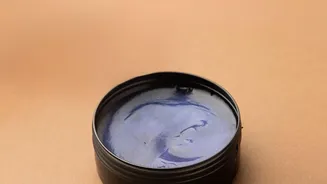
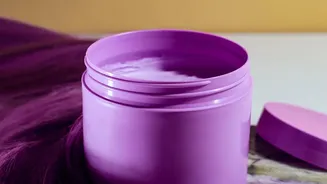
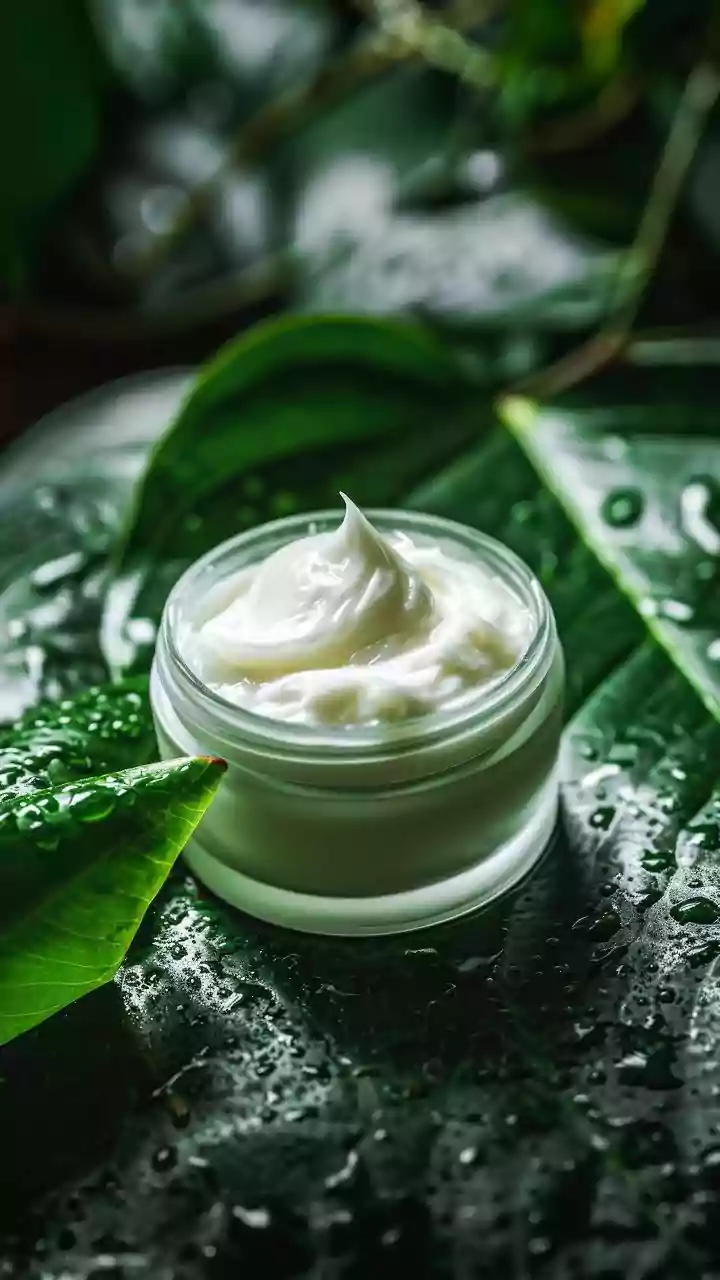
Regular conditioners are essential, but color-treated hair benefits immensely from a weekly deep conditioning treatment or hair mask. These products are formulated with more concentrated ingredients that penetrate the hair shaft more deeply than a daily conditioner. They help to restore the moisture balance, smooth the cuticle, and improve softness and elasticity. Look for ingredients like argan oil, jojoba oil, and marula oil, which replenish lipids and add shine. Humectants like hyaluronic acid and glycerin are also excellent, as they attract water into the hair fiber. For a simple at-home boost, you can create a DIY mask with avocado and olive oil, both of which are rich in fatty acids and vitamin E.
Leave-In Products Are Your Daily Shield
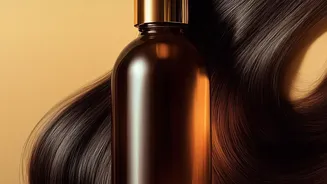
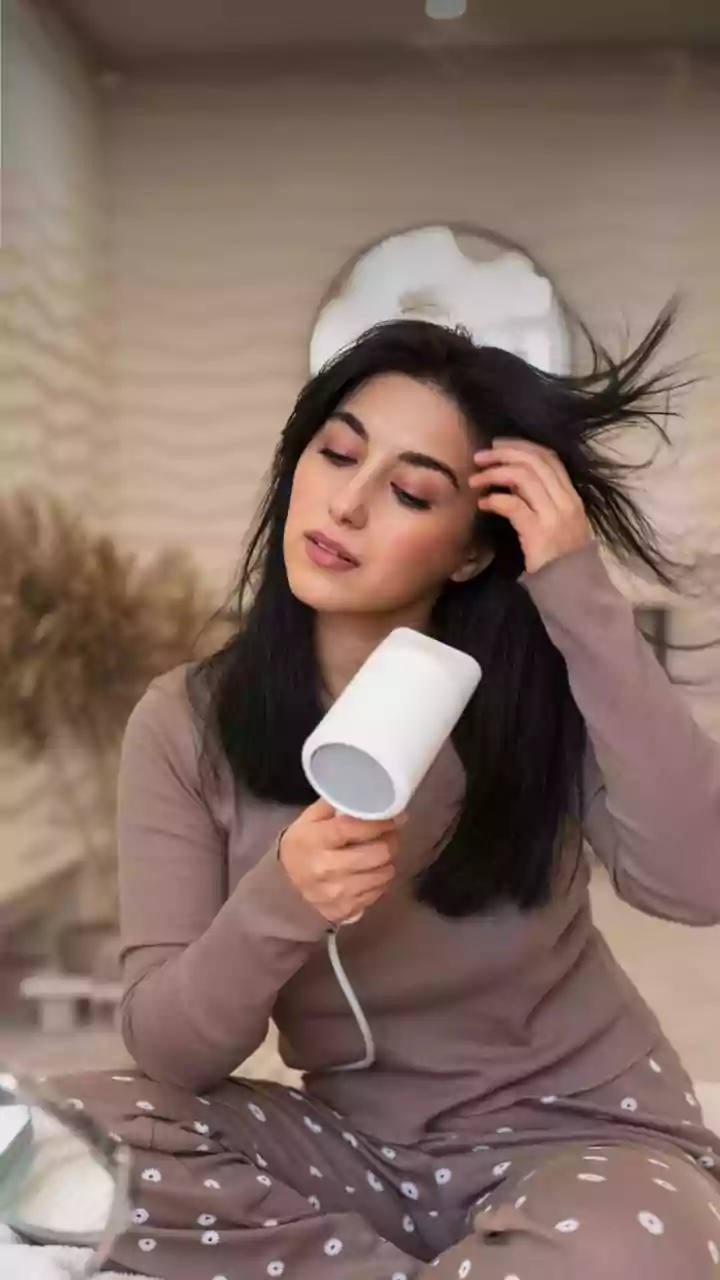
What you do after washing is just as important. A leave-in conditioner, serum, or oil is a non-negotiable for dry, color-treated hair. These products provide a continuous layer of hydration and protection throughout the day. They help to seal the cuticle, fight frizz, and protect your strands from environmental stressors like sun exposure that can further fade color and cause dryness. If you use heat styling tools, a thermal protectant is crucial to prevent further moisture loss. Applying a small amount of hair oil to your ends daily can also keep them from feeling brittle and looking dull.
Protect Hair From Sun and Chlorine
Environmental factors can sabotage your efforts to keep colored hair hydrated. UV rays from the sun act like a bleach, breaking down pigment and causing color to fade, while also contributing to dryness. Chlorine from pools is another major culprit; it strips hair of its natural oils and contains oxidized metals like copper that can bind to the hair, notoriously turning blonde shades greenish. Before swimming, always wet your hair with clean water and apply a leave-in conditioner or oil. This acts as a barrier, as hair that is already saturated will absorb fewer chemicals. Wearing a hat during prolonged sun exposure is one of the most effective ways to protect your color and prevent moisture loss.