




A Landmark Designation
On August 3, 2026, India's network of protected wetlands crossed a significant milestone, with Glaw Lake in Arunachal Pradesh officially becoming the country's 101st Ramsar site. This is a first for the state, placing this pristine freshwater lake in the Eastern
Himalayas on the global map of ecological conservation. The announcement reflects India's rapidly growing commitment to wetland protection, with the number of designated sites soaring from 26 in 2014 to over 100 today. Located within the Kamlang Tiger Reserve, Glaw Lake is a biodiversity hotspot, supporting a rich variety of flora and fauna, including critically endangered species.
What is a Ramsar Site?
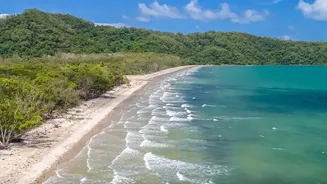
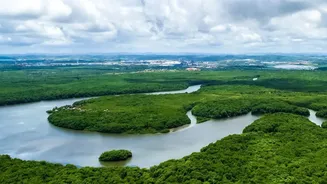
The Ramsar Convention is an international treaty for the conservation and sustainable use of wetlands, signed in Ramsar, Iran, in 1971. When a wetland is designated a Ramsar site, it gains international recognition and obligates the host country to manage it wisely to maintain its ecological character. These sites are chosen for being rare or unique, or for their importance in conserving biological diversity. The term 'wetland' is broad, covering everything from marshes and rivers to human-made reservoirs and even coral reefs. For India, which now has one of the largest networks of Ramsar sites in Asia, these designations are a framework for protecting ecosystems vital to the nation's environmental health.
The Link to Water Security
Wetlands are often called 'nature's kidneys' for a reason. They are natural purifiers, filtering pollutants from water. They also act like giant sponges, absorbing heavy rainfall and mitigating floods, then slowly releasing water during dry spells to combat droughts. This natural regulation is a critical component of water security. In a country facing increasing water stress due to erratic monsoons and groundwater depletion, the role of sites like Glaw Lake, which is fed by perennial mountain streams, becomes paramount. By maintaining the health of these wetlands, we ensure they continue to recharge our groundwater and provide clean water, supporting both human communities and agriculture.
Our Natural Climate Defence
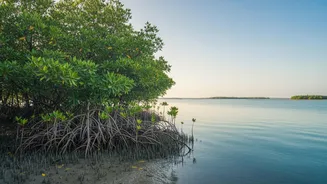
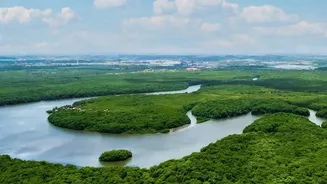
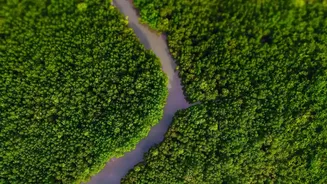
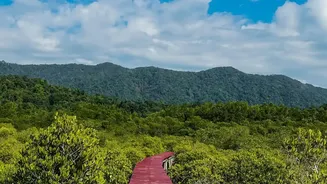
The fight against climate change isn't just about cutting emissions; it's also about strengthening our natural defences. Wetlands are powerful carbon sinks, with ecosystems like peatlands and mangroves storing vast amounts of carbon in their soil. Coastal wetlands, for example, can sequester carbon much faster than tropical rainforests. They also provide a crucial buffer against climate-induced disasters. Mangrove forests, like those in the Sundarbans, protect coastal communities from storm surges, while inland wetlands absorb floodwaters from extreme rain events. As climate change intensifies, preserving and restoring these natural buffers is one of the most effective climate adaptation strategies available.
The Practical Test on the Ground
Designation is just the first step; the real test lies in effective on-ground management. Across India, wetlands face immense pressure from urbanisation, pollution from untreated sewage and industrial effluents, agricultural runoff, and the spread of invasive species. Many are still viewed as 'wastelands' to be built upon rather than as vital natural infrastructure. Even with the prestigious Ramsar tag, ensuring a site's long-term health requires robust management plans, strict enforcement against encroachment, and active community involvement. The success of Glaw Lake will depend on whether its new status can translate into tangible protection from these persistent threats, turning international recognition into local resilience.