

India’s Ambitious Leap to the Morning Star
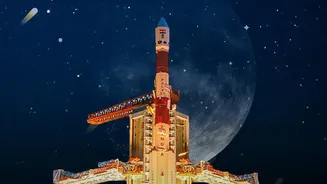
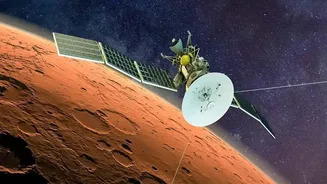
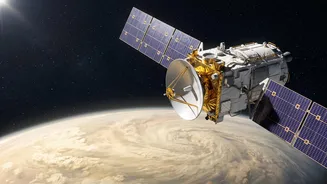
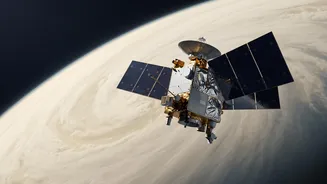
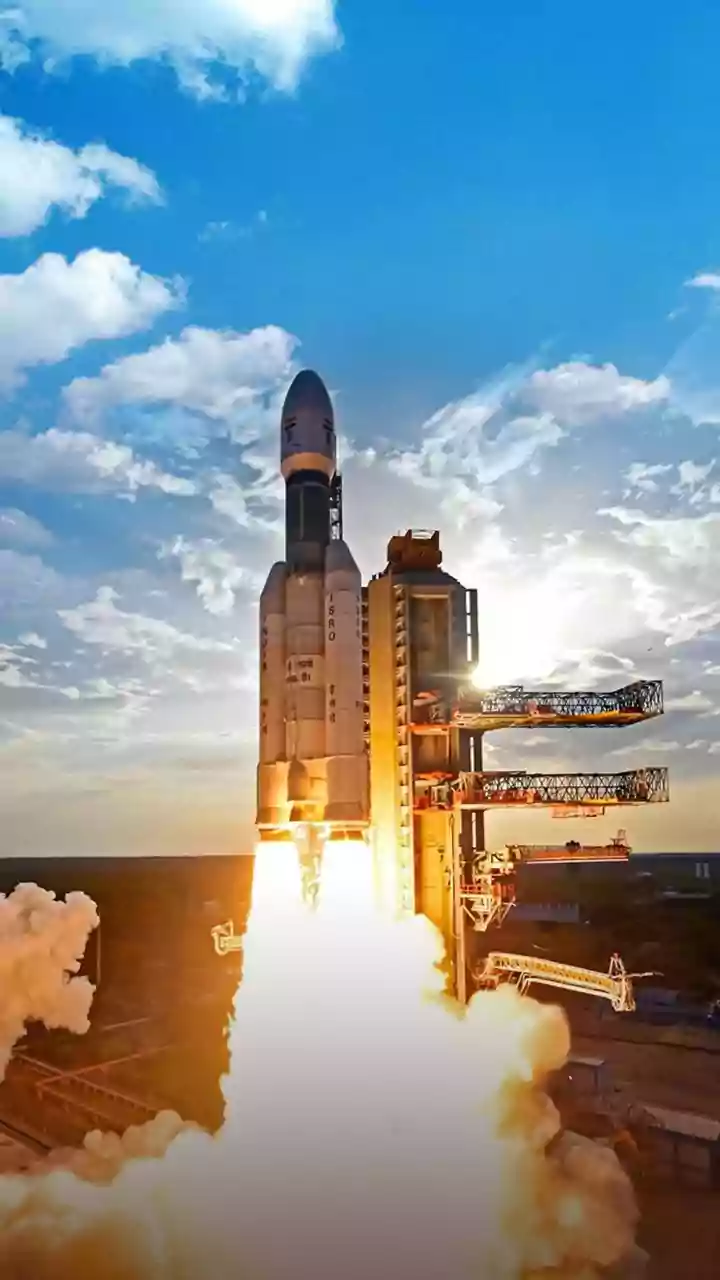
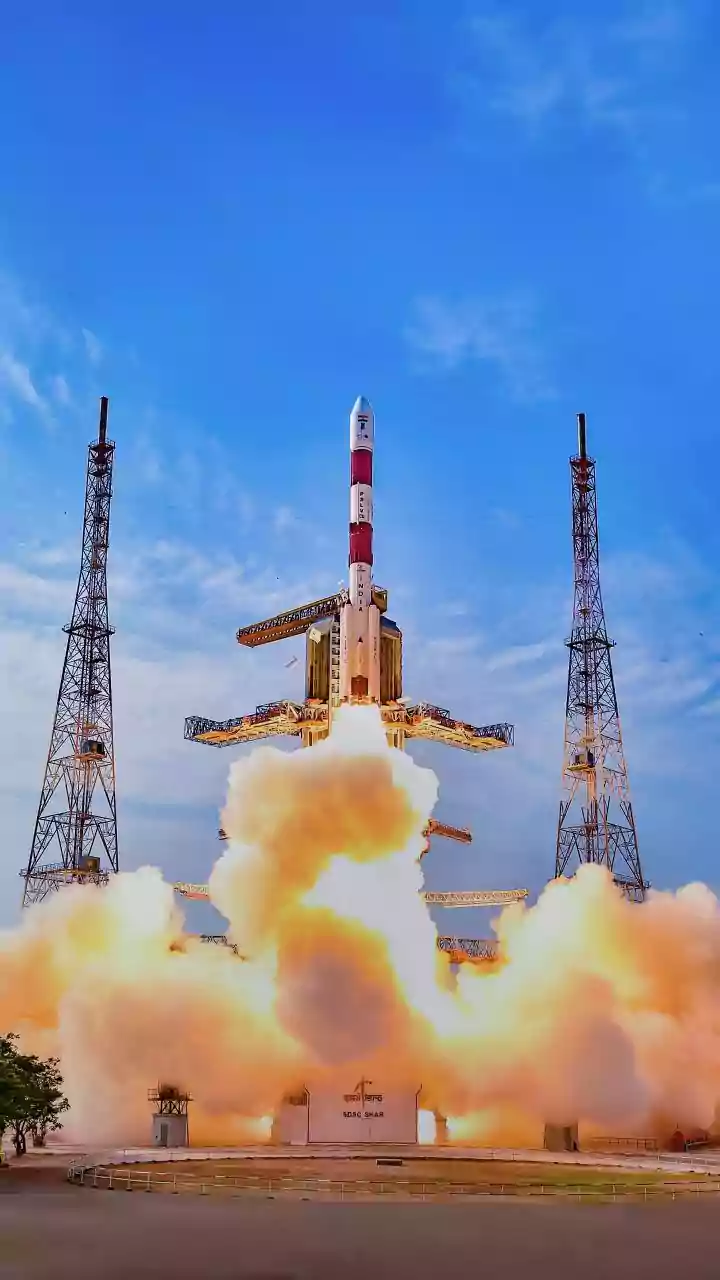
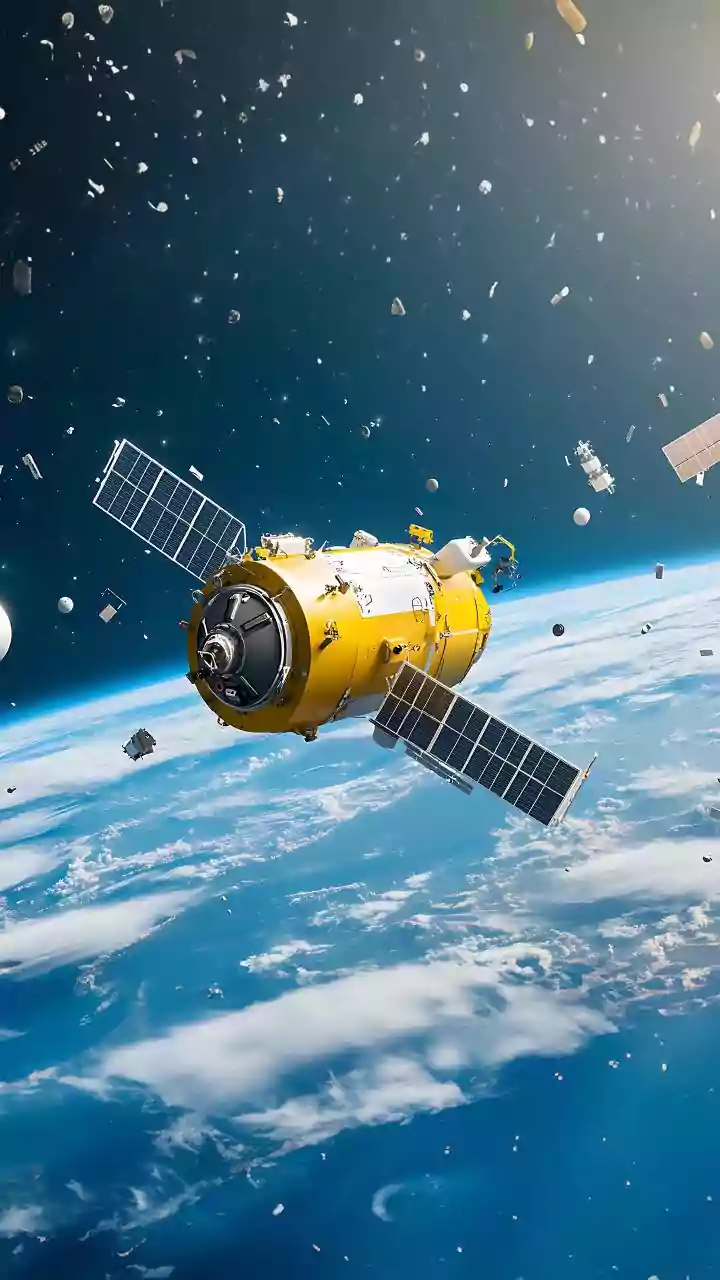
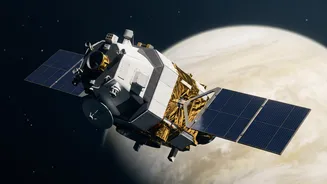
After the historic successes of the Chandrayaan missions to the Moon and the Mangalyaan mission to Mars, the Indian Space Research Organisation (ISRO) is setting its sights on our other planetary neighbour, Venus. The Shukrayaan-1 mission, an orbiter
scheduled for a 2028 launch, represents India’s next major step in planetary exploration. The primary goal is to perform a comprehensive, long-term study of Venus from orbit, investigating its surface, subsurface, and, most critically, its dense, complex atmosphere. This mission will place ISRO among a select group of space agencies that have ventured to understand the scorching, cloud-shrouded world, often called the 'morning star' or 'evening star' in our skies.
The Challenge: A Runaway Greenhouse
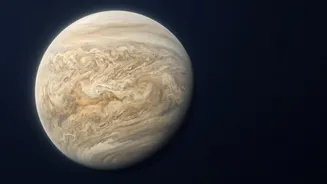
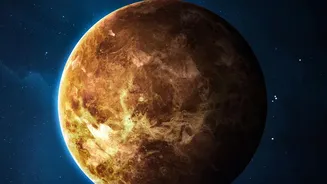
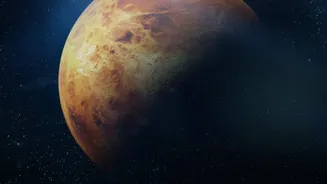
Venus presents a formidable challenge. While similar in size and density to Earth, its environment is one of the most hostile in the solar system. Its atmosphere is over 96% carbon dioxide, creating a runaway greenhouse effect that pushes surface temperatures to a staggering 475°C—hot enough to melt lead. The planet is perpetually covered by a thick blanket of sulfuric acid clouds, which obscure the surface and drive a violent, super-rotating climate. For scientists, this extreme environment is not just a curiosity; it's a natural laboratory for understanding how planetary climates can evolve, offering cautionary lessons about climate change on our own world.
Seeing Through the Veil with Radar
To understand a planet, you must first see it. Shukrayaan-1's flagship instrument is a high-resolution Synthetic Aperture Radar (SAR). Unlike optical cameras, radar can penetrate the dense, permanent cloud cover to map the Venusian surface in detail. This technology will allow ISRO to create topographical maps that reveal volcanoes, lava flows, and impact craters, providing clues about the geological processes that have shaped the planet. The mission also plans to carry a ground-penetrating radar, a first for Venus exploration, which will probe beneath the surface to study its stratigraphy, or layering, giving us a glimpse into its deep history.
Decoding the Atmosphere's Chemical Secrets
A key part of the mission is to analyse the composition of the atmosphere. To do this, Shukrayaan-1 will carry a suite of specialised sensors. One of the most important is the Venus InfraRed Atmospheric Gases Linker (VIRAL), an instrument developed in collaboration with Russia's Roscosmos and France's CNES. VIRAL is designed to study the chemical makeup of the upper atmosphere, identifying different gases and their concentrations. This data, combined with information from thermal cameras and spectropolarimeters, will help scientists understand the structure of the clouds, detect any gases released by active volcanoes, and investigate mysterious phenomena like the planet's atmospheric super-rotation.
Studying Solar Interactions
Venus lacks a significant magnetic field like Earth's, leaving its upper atmosphere exposed to the direct force of the solar wind—a constant stream of charged particles from the Sun. Shukrayaan-1 will carry instruments to study this crucial interaction. The Venusian Neutrals Analyzer (VNA), part of a collaboration with Sweden, will analyse how these solar particles impact the atmosphere and contribute to atmospheric loss over time. Understanding this process is vital for explaining why Venus, despite being so similar to Earth in its early history, lost its potential for habitability and evolved into the extreme world it is today.