





Protecting Your Phone: The First Line of Defence
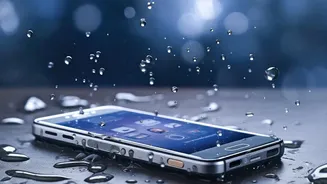
Your smartphone is often your most valuable accessory, and also one of the most vulnerable to water damage. While many modern phones claim to be water-resistant, this protection degrades over time and often doesn't cover prolonged exposure or high-pressure
splashes. The best strategy is a proactive one. Simple, low-cost items can offer robust protection. Even a basic Ziploc bag can be a lifesaver in an unexpected storm, allowing you to still use the touchscreen while keeping the device shielded from the elements. For more reliable and reusable protection, investing in a dedicated waterproof pouch or a high-quality waterproof case is a smart move. These are designed with secure seals to keep water out entirely, making them ideal for monsoons or outdoor activities.
What to Do If Your Phone Gets Wet
If the worst happens and your phone takes a dunking, acting fast is critical. The first and most important step is to power it down immediately. Do not try to turn it on or charge it, as this can cause a short circuit. Gently wipe the exterior with a soft, absorbent cloth. If possible, remove the SIM card and any memory cards to help air circulate. Stand the phone upright with the charging port facing down to allow any trapped water to drain out. While the popular trick is to submerge it in a bowl of uncooked rice, experts warn this is ineffective and can introduce dust and starch into the phone's ports. A better alternative is to place the phone in an airtight container with silica gel packets, which are designed to absorb moisture. Let it sit for at least 24 to 48 hours before attempting to turn it on.
Proactive Shoe Care: Waterproofing is Key
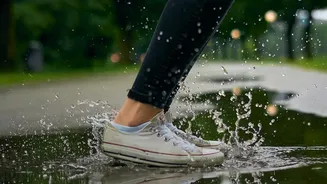
Keeping your shoes clean and dry starts before you even step outside. Applying a waterproof spray creates a protective barrier that repels water and prevents stains from setting in. There are specific sprays for different materials like leather, suede, and canvas, so be sure to choose the right one. For leather shoes, a conditioning cream or wax can also provide excellent water resistance while nourishing the material. A simple DIY alternative for canvas or fabric shoes involves rubbing beeswax or even an unscented candle over the surface and then using a hairdryer on a low setting to melt the wax into the fabric, creating a water-repellent seal. Reapplying your chosen treatment every few weeks during the rainy season will ensure your footwear stays protected.
The Right Way to Dry Wet Shoes
When your shoes get soaked, resist the temptation to place them near a heater or in direct sunlight. High heat can damage the adhesives, warp the materials, and cause leather to crack. The safest method is to air-dry them properly. First, remove the insoles and laces to let them dry separately. Stuff the shoes with crumpled newspaper or paper towels to absorb internal moisture and help them maintain their shape. You should replace the paper every few hours as it becomes saturated. For faster drying, place the stuffed shoes in a well-ventilated area or in front of a fan on a cool setting. It might take 12 hours or more, but this patient approach will preserve the life of your shoes.
Cleaning Mud and Monsoon Stains
If you come home with muddy shoes, the best approach is to let the mud dry completely before trying to clean it. Once dry, you can use a soft brush to knock off the caked-on dirt. For any remaining stains, a gentle cleaning solution of mild soap and lukewarm water can be used. For tough watermarks, wiping the entire shoe with a damp cloth can help even out the tone. Rotating your footwear is also a simple but effective strategy. Avoid wearing the same pair of shoes every day, as this gives them ample time to fully dry out, preventing the growth of mould and odour-causing bacteria.