



A Tale of Two Landings
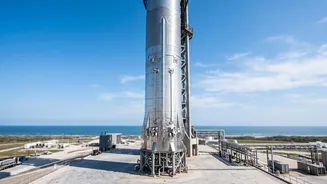
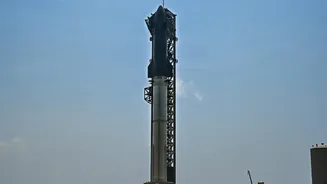
On November 14, 2026, SpaceX made history by catching its Starship upper stage with the launch tower's giant mechanical arms for the very first time. After orbiting the Earth 14 times over 22 hours, the massive spacecraft autonomously flew back to its launch site
in Texas, performed a complex flip maneuver, and was grabbed in mid-air by the system nicknamed 'Mechazilla'. It was a breathtaking moment, proving that the most challenging part of the reusable rocket system could work as designed. However, the mission wasn't a complete success. The day before, the Super Heavy booster, which is the first stage of the rocket, failed to make its own return. Due to an issue during its boostback burn, the booster was automatically diverted for a splashdown in the Gulf of Mexico, where it was intentionally destroyed.
Why the Ship Catch is a Game-Changer
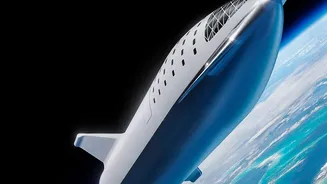
Catching the Starship spacecraft is arguably a bigger milestone than catching the booster. The booster separates early in the flight without reaching the punishing speeds and temperatures of orbit. The Ship, however, must survive a fiery reentry through Earth's atmosphere, a feat that requires a robust heatshield and precise aerodynamic control. By successfully catching the Ship, SpaceX has proven that the most technically difficult part of its reusability plan is feasible. The ultimate goal is to eliminate costly and time-consuming ocean landings and refurbishments. Instead, both stages can be caught, placed back on the launch mount, refueled, and flown again in a matter of hours or days. This 'holy grail' of rapid reusability is what could dramatically lower the cost of accessing space, making missions to the Moon and Mars more achievable.
Understanding the Booster Setback
While the loss of the Super Heavy booster was a setback, it wasn't an outright disaster in the context of SpaceX's development philosophy. During its return burn, an automated system detected a problem—reports indicate a low fuel alarm—and made the decision to abort the landing attempt at the launch tower. The guidance system then correctly diverted the booster to a safe zone over the water. The failure to recover the booster means SpaceX did not achieve its goal of a fully reusable mission this time. However, the company has successfully caught boosters on previous flights and will analyze the data from this attempt to fix the issue. This incident highlights the complexity of perfecting a system where two massive rocket stages must return to the same tower after separating at high speed.
The Bigger Picture: Progress Through Failure
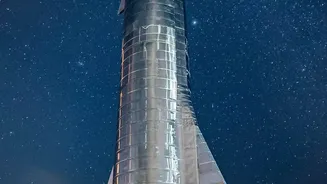
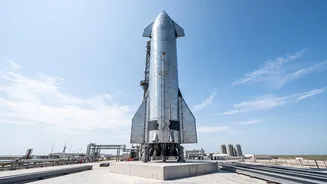
This mixed result is a perfect illustration of SpaceX's 'rapid iterative development' strategy. Unlike traditional aerospace programs that spend years on design and simulation to avoid any failure, SpaceX builds, flies, fails, and learns in the open. Each test flight, whether it ends in a spectacular explosion or a near-perfect landing, provides invaluable real-world data that is fed back into the next design. Early prototypes like SN8 and SN9 famously exploded while testing the landing maneuver that has now been all but perfected. This philosophy of embracing failure as a learning tool allows for an incredibly fast pace of development. The focus is not on achieving perfection in one go, but on making tangible progress with every attempt, a mindset that has propelled the Starship program from small hops to orbital catches in just a few years.