

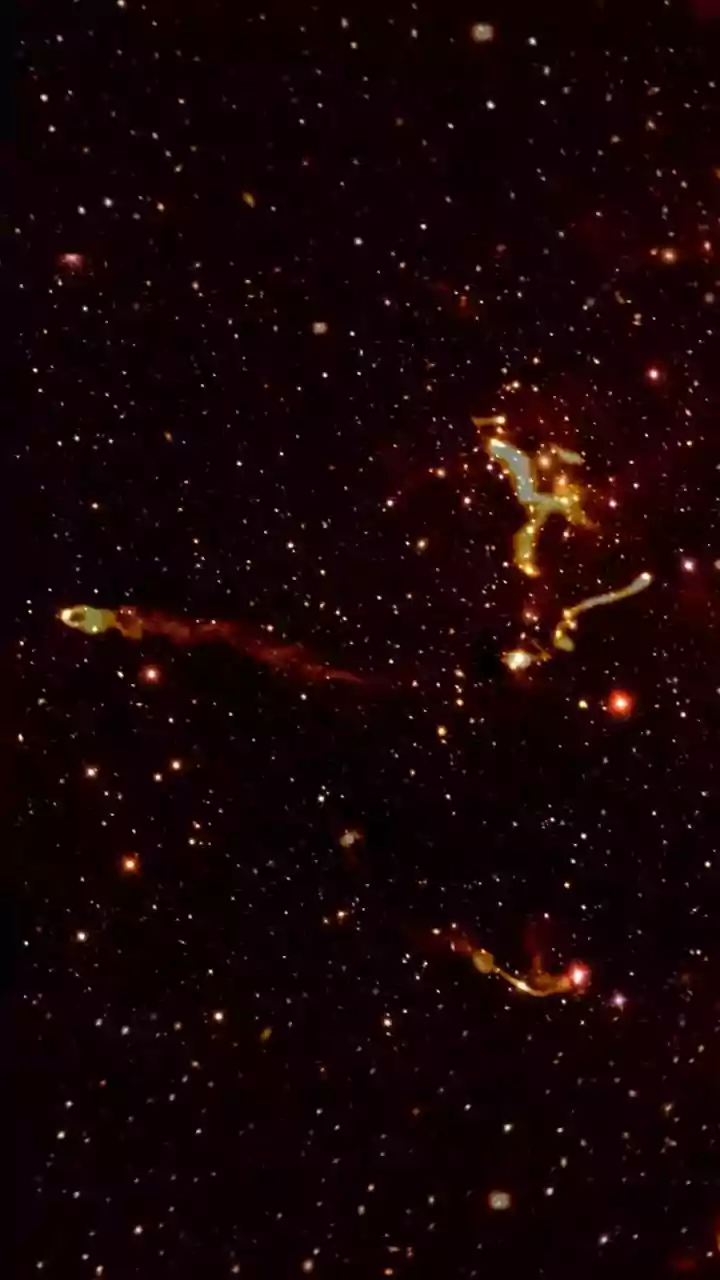
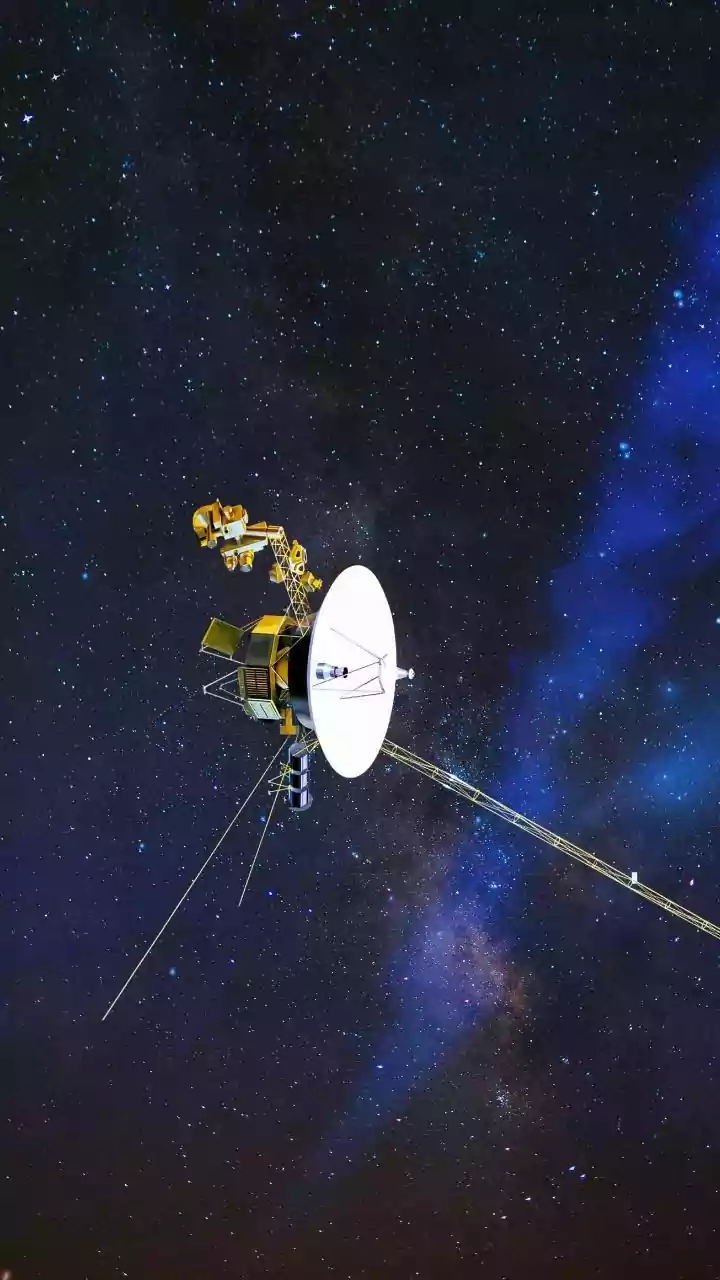




Imagine creating a 3D map of the entire universe, not just of the stars and galaxies we can see, but of the very ingredients that make up life itself. That's the ambitious goal of NASA's SPHEREx mission, a new eye on the cosmos.
What Exactly is SPHEREx?
SPHEREx stands for Spectro-Photometer
for the History of the Universe, Epoch of Reionization, and Ices Explorer. While the name is a mouthful, its job is elegantly simple: to scan the entire sky every six months for two years, creating a comprehensive map. Unlike targeted telescopes like the James Webb Space Telescope (JWST), which zoom in on specific objects, SPHEREx is an all-sky survey. It's designed to provide the big picture, gathering data on over 450 million galaxies and 100 million stars in our own Milky Way. The mission, which launched in early 2025, will survey the sky four times, creating a rich and layered atlas for scientists worldwide.
Seeing the Universe in 102 Colors
The key to SPHEREx's power is its ability to see the sky in 102 distinct wavelengths, or 'colors', of near-infrared light. This light is invisible to the human eye but holds a treasure trove of information. Think of it like a camera with 102 highly specialized filters. Each filter isolates a specific shade of infrared, revealing details that would otherwise be blended together and lost. This technique, called spectroscopy, allows scientists to determine what cosmic objects are made of and how far away they are. Some wavelengths might reveal the glow of hot gas, while others expose clouds of cosmic dust or specific chemical compounds, like water ice. This multi-color view allows astronomers to dissect the universe layer by layer.
Unlocking the Secrets of the Big Bang
One of the mission's primary goals is to study a mysterious period called cosmic inflation. This was a moment less than a second after the Big Bang when the universe expanded by a staggering trillion-trillion-fold. This event left a faint imprint on the large-scale distribution of galaxies we see today. By creating a massive 3D map of hundreds of millions of galaxies, SPHEREx will measure these patterns in unprecedented detail. This data will help scientists test different theories about what drove this incredible expansion, giving us clues about the fundamental physics that governed the universe in its very first moments.
Tracing the Ingredients for Life
Perhaps the most compelling part of SPHEREx's mission is its search for the building blocks of life. The telescope is designed to detect the chemical fingerprints of water ice and organic molecules frozen in interstellar clouds of gas and dust. These 'stellar nurseries' are where new stars and planets are born. Scientists believe that much of the water in our galaxy, and potentially the water on Earth, originated as ice on dust grains in these clouds. By mapping the abundance and location of these vital ingredients across the Milky Way, SPHEREx will help us understand how readily available these materials are for forming new planetary systems, potentially with their own oceans.
A New Cosmic Encyclopedia
While SPHEREx has its own specific science goals, its true value may lie in the legacy it creates. The data from its four all-sky surveys will be made freely available to the public, providing a new 'encyclopedia' of information on hundreds of millions of cosmic objects. This comprehensive map will serve as a guide for future, more targeted missions. For example, if SPHEREx finds a particularly interesting reservoir of organic molecules, a telescope like JWST could be pointed there for a more detailed look. By combining the wide-angle view of SPHEREx with the sharp focus of other observatories, astronomers will have a powerful new toolkit for exploring the cosmos.