







An Ancient Wellness Secret
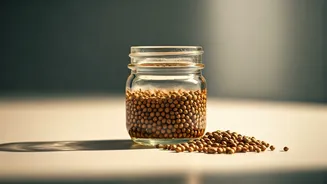
Before it was a garnish, coriander (or dhaniya) was a cornerstone of traditional medicine, especially in Ayurveda. For centuries, Indian households have turned to coriander seeds not just for flavouring curries and dals, but as a go-to digestive aid.
The practice of soaking seeds overnight to create an infused water is an age-old secret for soothing the stomach. This simple concoction is traditionally believed to pacify the digestive fire, or ‘agni’, helping to reduce the gas, cramping, and uncomfortable fullness that we simply call bloating. It’s a gentle, natural approach that has been passed down through generations, making it one of the most trusted home remedies for everyday digestive woes.
How Coriander May Tackle Bloating
The traditional wisdom behind dhaniya water is increasingly supported by our modern understanding of its properties. Coriander seeds are valued for their potential carminative effect, which means they may help prevent the formation of gas in the gastrointestinal tract and facilitate its expulsion. This is a primary reason it's used to combat bloating. Furthermore, the seeds contain compounds, such as linalool and geranyl acetate, which are believed to help relax digestive muscles, potentially easing the discomfort associated with cramping. Coriander is also considered a mild diuretic, meaning it can help the body flush out excess water and sodium. This can be particularly helpful for reducing the water retention that often contributes to a bloated feeling, especially during humid weather or after a salty meal.
More Than Just a Debloater
While easing bloating is its most famous benefit, coriander water may offer other wellness perks. The seeds are a rich source of antioxidants, which are crucial for fighting cellular damage caused by free radicals. Some preliminary studies have also explored coriander's role in managing blood sugar levels, as it may stimulate insulin secretion. The anti-inflammatory properties of the seeds are also noteworthy; chronic inflammation is linked to numerous health issues, and incorporating anti-inflammatory foods and spices can be beneficial for overall health. Additionally, because it's good for digestion and detoxification, regular consumption of this water is often linked in traditional practice to clearer skin, as a healthy gut often reflects on the outside.
Your Simple Morning Ritual
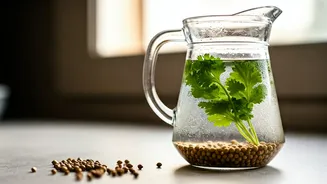
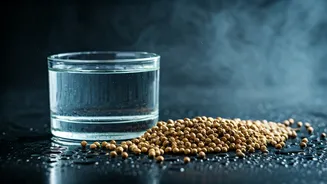
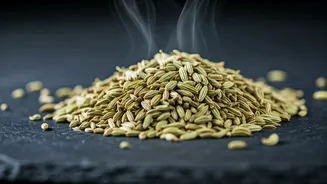
Making coriander seed water at home is incredibly simple. There are two popular methods: 1. **The Overnight Soak (Recommended):** Take one to two teaspoons of whole coriander seeds and add them to a glass of drinking water (about 250 ml). Cover it and let it steep overnight. In the morning, stir, strain the water into a fresh glass, and drink it on an empty stomach. Soaking is believed to help release the seeds' essential compounds more effectively into the water. 2. **The Quick Boil:** If you're short on time, you can add two teaspoons of seeds to one and a half cups of water in a saucepan. Bring it to a boil and let it simmer for 5-7 minutes, or until the water is reduced to about one cup. Let it cool down, strain, and drink it warm. For best results, consistency is key. Try incorporating it into your morning routine for a week to see how your body responds.
A Word of Caution
While coriander water is natural and generally safe for most people, it's not a magic cure. It is a supportive remedy, not a replacement for a balanced diet or medical treatment. People with known allergies to plants in the carrot family (like fennel and dill) might have a reaction. Due to its potential to lower blood pressure and blood sugar, individuals on medication for these conditions should consult their doctor before adding it to their daily routine. It's also a mild diuretic, so ensure you drink plenty of other fluids throughout the day. As with any herbal remedy, moderation is important. Start with a small amount and observe how you feel. If you experience persistent or severe bloating, it's crucial to seek medical advice to rule out underlying conditions.