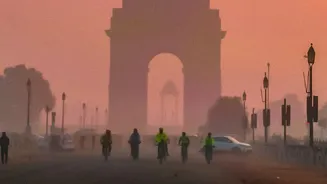






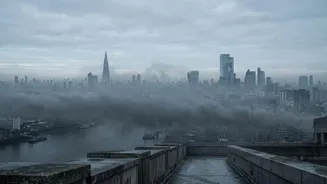
The Meteorological Lid: Temperature Inversion
The primary culprit behind this seasonal siege is a meteorological phenomenon called 'temperature inversion'. Normally, the air closer to the ground is warmer and rises, carrying pollutants with it and allowing them to disperse high in the atmosphere.
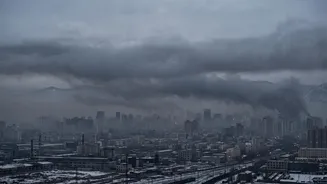
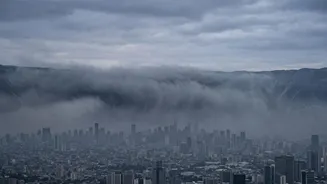
During winter, however, the nights are long and the ground cools rapidly, making the air near the surface colder and denser than the air layer above it. This warmer upper layer acts like a lid, trapping the cold air below and preventing any vertical mixing. As a result, all the pollutants emitted near the ground are unable to escape, becoming concentrated in the very air that millions of people breathe.
A Geographical Bowl
Delhi's geography compounds the problem significantly. The city is located in the landlocked Indo-Gangetic Plain, which essentially acts as a large basin. This region is hemmed in by the Himalayas to the north, which form a massive barrier preventing pollutants from dispersing. In winter, the prevailing winds shift to a north-westerly direction. Instead of clearing the air, these sluggish winds often carry smoke and pollutants from farther afield and push them into this geographical bowl, where they stagnate. The lack of a coastal breeze, which helps cleanse cities like Mumbai, means that once pollutants enter the NCR, they have nowhere to go.
Fueling the Fire: Smoke from Stubble Burning
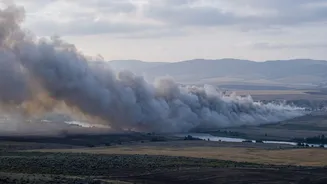
Into this already-primed atmospheric trap comes a massive injection of external pollution: smoke from stubble burning. Every year, between October and November, farmers in the neighbouring states of Punjab and Haryana burn post-harvest crop residue to quickly clear their fields for the next sowing season. This practice releases enormous plumes of smoke, soot, and particulate matter into the atmosphere. The north-westerly winds that dominate this season act as a smoke highway, transporting this pollution directly towards Delhi-NCR. While not the only cause, this seasonal event drastically worsens the air quality, often pushing it from 'poor' to 'severe' or 'hazardous' in a matter of days.
The City’s Own Contribution
While farm fires are a major episodic contributor, Delhi-NCR generates a staggering amount of pollution on its own. Vehicular emissions are a dominant, year-round source, with millions of cars, trucks, and two-wheelers clogging the roads. This is amplified by dust from widespread construction activities and unpaved roads, which contributes significantly to particulate matter levels. Industrial emissions from factories and thermal power plants within and around the region add to the toxic mix. In winter, local biomass burning for warmth also increases. These local sources provide a constant baseline of pollution that gets trapped by the winter inversion, ensuring poor air quality even on days without smoke from farm fires.